Female or Male: Understand the Botanical Differences of Cannabis
Explore the nuances between the plant genders that shape the quality of the final product

Published on 12/14/2023
By João Negromonte with information from El Planteo
In an intricate ballet of genders, the cannabis plant reveals a little-known facet of its existence. Like many living beings, it unfolds into distinct reproductive systems, providing cultivators with a unique dance between the male and female.
Why Does the Difference Matter?
In a universe where the quality of the final product is dictated by the type of cannabis cultivated, the ability to discern between male and female variants becomes a key piece in the puzzle of production. It is not just a matter of botanical curiosity, but a vital understanding for producers seeking to extract the best from their harvests.
Male vs. Female Cannabis
The distinction between male and female plants lies not only in anatomy but in the final results each gender provides. Surprisingly, only female plants have the power to trigger robust buds rich in THC, while males mostly offer a limited psychoactive experience. The decision to cultivate exclusively female plants arises not only from quality but also to prevent male plants from contaminating and fertilizing females, diverting valuable energy into seed production.

Divided Possibilities
Normal cannabis seeds carry the uncertainty of fate. With a 50/50 probability, the resulting plant can be either female or male. This is a game of patience and observation for cultivators, who must wait and carefully discern the sex of their plants before the reproduction cycle.
Identifying the Genders
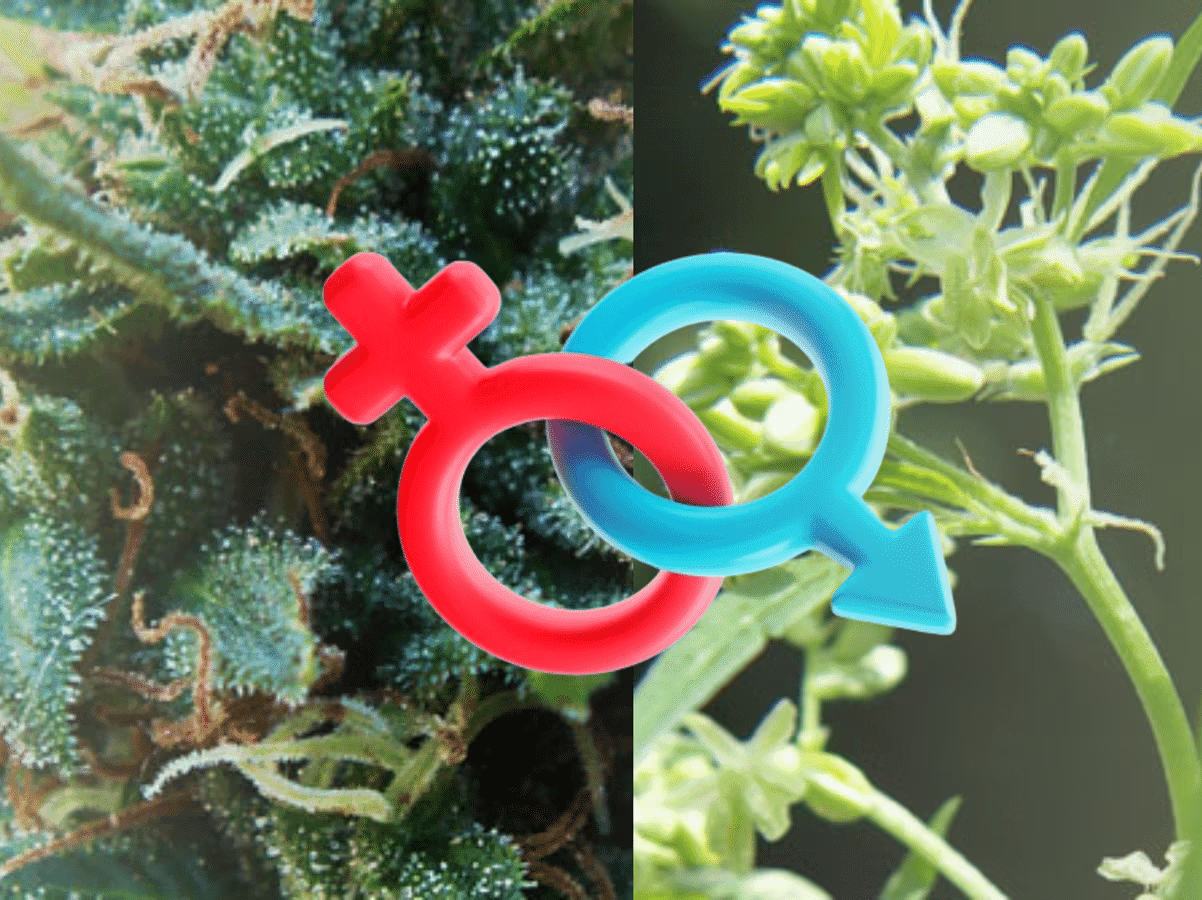
The difference between male and female cannabis is revealed in the physical details, primarily between the nodes of the plant. While male plants display pollen sacs to spread their pollen, female plants develop stigmas designed to capture that same pollen. The magic of identification unfolds before the start of the reproduction cycle, between 4 and 6 weeks of growth.

Hermaphrodite Plants
In an unexpected twist, cannabis plants can adopt duality. The hermaphrodite phenomenon occurs when stress becomes a catalyst, leading female plants to develop male sexual organs. Constant care is necessary, as these hermaphrodites have the potential to pollinate the entire crop. Damage to the plants, nutritional deficiencies, extreme weather conditions, diseases, or pests can trigger this intriguing phenomenon.
In summary, cannabis cultivation is a slow and complex journey, but rewarding. Careful observation, the elimination of male plants, and dedicated care for females are the formula to ensure healthy plants and bountiful harvests filled with powerful buds. In this dance between male and female, cultivators unravel the mysteries of cannabis, creating a unique symphony of aromas and effects.