Gut Microbiota and Cannabis: Study Reveals Impact of Interaction on Various Pathologies and Effects
Interaction generates antimicrobial benefits, weight control, and other side effects

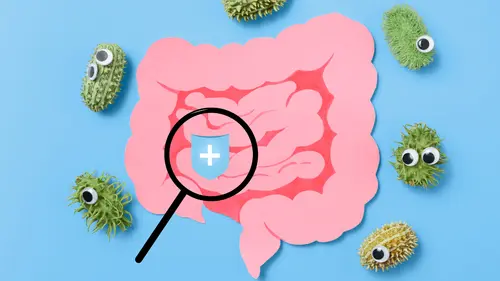
Research on the medicinal use of cannabis is advancing rapidly. According to the 2024 Cannabis Yearbook, over the past 10 years, 1,710 studies featuring the words cannabis and cannabidiol have been published in the PubMed journal. A study published in the MDPI journal explored how the interaction between cannabis and gut microbiota can be effective in treatment efficacy and its side effects.
What is gut microbiota?
Gut microbiota consists of trillions of bacteria, viruses, and fungi that primarily inhabit the small intestine and help maintain the body's balance. These colonies are responsible for essential functions such as nutrient metabolism, maintenance of the intestinal mucosa, modulation of the immune system, and protection against pathogens. For this reason, microbiota is considered by many experts as an extra “organ” of the human body.
Various studies have indicated that alterations in microbiota are associated with a range of conditions, such as irritable bowel syndrome, recurrent infections, type 2 diabetes, autoimmune diseases, and even behavioral disorders.
How cannabinoids influence gut microbiota
A highlighted study noted that gut microbiota has the ability to metabolize cannabinoids, altering their bioavailability and potency. In the case of tetrahydrocannabinol (THC), it can be transformed into more potent compounds, such as 11-OH-THC, or inactive ones, such as THC-COOH. CBD, on the other hand, is metabolized into 7-hydroxy-CBD, generating anti-inflammatory properties.
Additionally, microbiota can influence the activation of cannabinoid receptors CB1 and CB2, which are essential for the pharmacological effects of cannabis, through the production of secondary bile acids. Changes in microbiota composition can also impact the levels of endocannabinoids in the body, directly influencing the response to cannabis treatment.
The antimicrobial potential of CBD
Research indicates that CBD has shown positive results against resistant bacteria, such as Staphylococcus aureus and Clostridioides difficile. The primary mode of action of CBD appears to be the disruption of the bacterial cell membrane, demonstrating its potential as a new type of antibiotic, especially against resistant infections.
Cannabis and neurodegenerative diseases
The impact of cannabis on animal models of neurodegenerative diseases, such as Alzheimer’s, was analyzed. CBD was found to improve cognitive function, reduce neuroinflammation, and promote a more robust intestinal barrier, preventing the leakage of toxic metabolites.
Effects on heart and metabolism
Another point addressed was the ability of cannabidiol to act as a cardioprotective agent, altering cardiovascular risk factors and modulating gut microbiota. In mice, CBD was able to increase the abundance of beneficial bacteria, reduce obesity-related injury, and improve glucose tolerance.
Gut microbiota and weight control
The research also highlighted that the relationship between cannabis consumption and microbiota can impact weight control and metabolic health. THC, for example, has been associated with an increase in a gut bacterium called Akkermansia muciniphila, which favors weight loss and improves intestinal barrier function.
Although the evidence from animal studies, such as those with rats, is promising, further research is needed to confirm these effects in humans, as the researchers emphasize. The relationship between cannabis and gut microbiota opens new possibilities for the medicinal use of the plant and the development of innovative therapies.