How Cannabis Can Reclaim Degraded Lands and Support a Sustainable Future
Discover how cannabis can reclaim soil, contribute to the UN SDGs, and support more sustainable agriculture

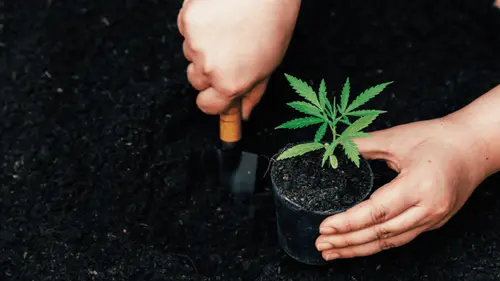
In a world marked by environmental crises and increasingly depleted soil, nature presents solutions that surprise with their simplicity and power. One of these responses comes from a historically stigmatized plant, but full of possibilities: cannabis. Far beyond its medicinal use, hemp - a cultivar of Cannabis sativa L. with low THC content - has been studied as an ally to reclaim degraded lands and support a sustainable future.
Cannabis and Soil: phytoremediation as hope
Soil is the basis of life, but has been severely damaged by aggressive agricultural practices, pesticide use, and contamination by heavy metals. In this scenario, cannabis emerges as the protagonist of the so-called phytoremediation, which is basically a process in which plants absorb and neutralize toxic substances present in the soil.
The most emblematic case of this power occurred in Chernobyl, where hemp was used to help clean up lands affected by the worst nuclear disaster in history. Today, science confirms that the plant can absorb heavy metals and capture more CO₂ per hectare than any other known crop.
Cannabis and Soil: connection with the UN Goals
The relevance of cannabis in land care is such that experts claim it can directly contribute to eight of the 17 United Nations Sustainable Development Goals (SDGs).
In addition to reclaiming contaminated soils and reducing carbon emissions, hemp offers sustainable alternatives for sectors such as paper, biofuels, construction, and even fashion, reducing dependence on non-renewable resources.
Learn more about the subject in the 4th edition of Sechat's Cannabis Guide, a publication that combines science, innovation, and stories that highlight the transformative impact of the plant. The Ebook is free and an essential read for professionals, enthusiasts, and all who support sustainable practices.