Law ending shutdown may alter the hemp industry in the US
New spending law in the US, which ended the shutdown, may impact the market of psychoactive hemp derivatives

Published on 11/21/2025

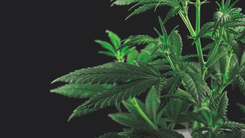
Understand how the new and stringent THC limit threatens the American billion-dollar industry | CanvaPro
The spending law that ended the government shutdown in the United States brought relief to federal bureaucracy, but it may mean a tough blow to a rapidly growing sector: the American hemp industry.
According to a PBS NewsHour report, a last-minute provision included in the funding package aims to impose strict limits on hemp-derived products, especially those with psychoactive effects.
Since the 2018 Farm Bill, hemp has been federally legalized, as long as it contained less than 0.3% of tetrahydrocannabinol (THC) on a dry weight basis.
This regulatory loophole allowed manufacturers to chemically convert cannabidiol (CBD) extracted from hemp into psychoactive cannabinoids like Delta-8, creating a multimillion-dollar market.
The end of the "loophole" and the minimum THC threshold
The new legal text, driven by critics who classify the current situation as a "loophole" to be closed, establishes a significantly more restrictive rule.
Read Also
Trump supports project that restricts THC in hemp and divides the sector in the US
Trump signs shutdown agreement to recriminalize hemp in the US; measure should take effect after 365 days
The federal provision now prohibits products from exceeding 0.4 milligrams of THC per container. For the industry, the limit is considered exceptionally low, equating to a de facto ban for the vast majority of THC-infused hemp products, such as beverages and vapes.
Still, according to PBS NewsHour, industry entrepreneurs argue that the measure is unfair and was "hidden" in the midst of a larger law, without proper debate. They claim that the issue is not the cannabinoid itself, but the lack of testing and regulation ensuring product safety at the state level.
Market Impact: Regulation vs. Prohibition
The industry, valued in billions of dollars, argues that the real path is regulation, not prohibition. The U.S. Hemp Roundtable, the main trade group in the sector, is already working to try to shape the federal provision, seeking to transform the ban into a set of stricter regulations, but ones that allow for continued trade.
With information from PBS NewsHour.