Learn how the Portuguese used hemp on caravels
As the voyages to discover new lands were long, the material needed to be resistant

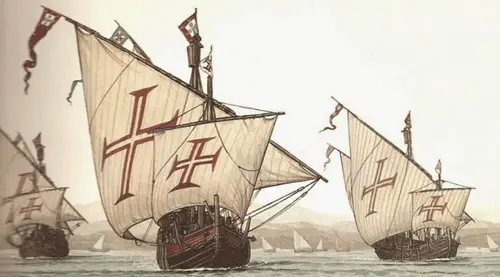
What you may not have known about the history of Brazil is that the Portuguese caravels from the expedition commanded by Pedro Alvares Cabral had one of the riches of hemp.
As the navigations were long, the journey from Portugal to Brazil lasted 44 days, the sails had to be made with a resistant material to face the force of the wind and the waters and the wind during storms at sea.
At the beginning of the colonization of the country, in 1500, cannabis cultivation was encouraged by the Crown of Portugal. The “recreational” use of marijuana with its psychoactive substances began to spread among slaves and Indians.
The consumption of cannabis was something that did not bother anyone. By the end of the 19th century, the use of the plant began to be recommended by doctors in the treatment of bronchitis, asthma, and insomnia.
Read also
Brazilian actress and singer tells why she decided to invest in cannabis
However, over the years, the United States' drug control policy influenced Brazil. From 1930, the use of cannabis was repressed throughout Brazilian territory. It didn't take long for marijuana use to be associated with racial prejudice. The consumption of the plant was used to criminalize the historically marginalized black population.
The potential of cannabis goes far beyond recreational use. Hemp - which is industrial cannabis - can also be used in the production of yarn, ropes, papers, oils, foods, fuels, and resins.
Being a resistant fiber cultivated in Portuguese soil, the material was used to make the sails of the caravels that brought the Portuguese to Brazil.
Not only the sails, but also the rigging of those fragile vessels, was made of hemp fiber, as the plant is also called.
Learn more about hemp