<strong>Find out which are the 8 plants that can help with anxiety</strong>
Phytotherapy has been helping to prevent and treat mild to moderate conditions
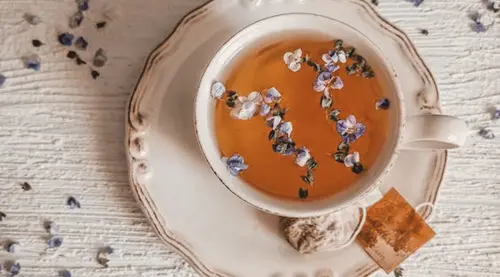
The pandemic undeniably changed everyone's lives. Situations that heightened uncertainties and fear. Alongside this, other stressful factors such as economic, political, social uncertainties, among others, exacerbate complaints like anxiety, one of the most common mental problems in the world.
Phytotherapy has been spreading to combat it, especially in recent years, meaning the use of certain plants to prevent and treat mild to moderate conditions.
Due to their active ingredients, some plants have the ability to calm us and increase our body's natural resistance to stress. But their use can also cause side effects and interactions with certain medications, so we must be cautious because, although they are natural, they are not without risks.
Get to know the 8 most commonly used plants for anxiety:
Passionflower (Passiflora incarnata )
Also known as passionflower or passion fruit, it stands out for providing a sedative effect that helps with falling asleep, making it especially effective in cases of insomnia or anxiety.
It was used for a long time in Europe as a natural remedy for anxiety, thanks to the presence of flavonoids and the flavone chrysin. It is therefore effective in reducing anxiety. It has a sweet and mild flavor, so it can be mixed with other herbs like chamomile. It is ideal to take during the day, but always in small doses and not for prolonged use over time.
Linden (Tilia sp.)
It is one of the most commonly used natural remedies to relax the nerves, thanks to its relaxing effect on the nervous system. It also helps to calm headaches and digestive pains caused by stress. All this without forgetting that, in addition, it is slightly diuretic, which helps us with fluid retention.
Valerian (Valeriana officinalis)
Together with passionflower, it is one of the most used herbs with calming effects due to its sedative action on the central nervous system, which helps prevent sleep disorders. It is anxiolytic, calming, and therefore promotes sleep. It is mainly used as a mild sedative in cases of nervousness, insomnia, and anxiety.
Several studies, like this meta-analysis, show that valerian root has hypnotic and sedative effects, which can help prevent mild to moderate insomnia. It also has natural muscle relaxant properties, helping to reduce tension and stress.
With a long-lasting effect, it is interesting for those who wake up at night. But it should be noted that excessive doses can cause headaches and other effects indicating imbalances in the nervous system.
Lemon Balm (Melissa officinalis)
This aromatic medicinal plant is characterized by its sedative principles and is used mainly to treat nervous problems. But it also has a calming effect on the gastrointestinal tract thanks to its essential oils.
Ashwagandha
This herb has been used for over 3,000 years to treat anxiety, stress, and insomnia. The roots and leaves of Ashwagandha, also known as winter cherry, are tasteless, so it is advisable to mix this herb with others like lavender. It is contraindicated, on the other hand, for pregnant or lactating women, as well as for people taking anxiolytics.
Hops (Humulus lupulus)
It is one of the essential ingredients of beer. The European Medicines Agency (EMA) has approved the traditional use of this plant as a tranquilizer to relieve symptoms of mental stress. Its fruits contain an essential oil with terpenes and esters. Hops are hypotonic and calming.
Chamomile (Chamaemelum nobile)
This sweet drink, although not an herb focused on anxiety itself, is interesting for its calming effects on digestive disorders caused by anxiety.
Lavender (Lavandula angustifolia)
Lavender is also a remarkable herb that, when used as an infusion (and also in lavender baths and oils), can help us calm stress. Its calming nature also has the ability to treat symptoms of anxiety, insomnia, and depression.
With information from El Planteo