Male and Female Varieties: Differences and Impact on Cultivation
Discover how to identify the sexes of cannabis, what their uses are, and why distinguishing them is essential in cultivation

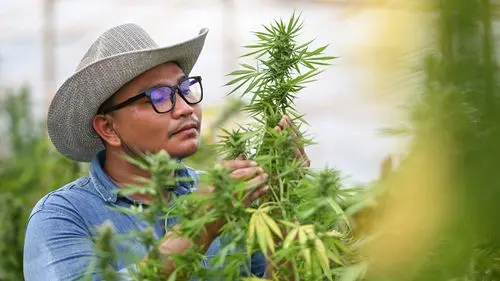
Just like most living beings, the cannabis plant has male and female genders. This difference is crucial for cultivation, as only female plants produce buds with high levels of tetrahydrocannabinol (THC).
Only female plants are capable of producing potent flowers with high THC content. Male plants have limited value for consumption, as they have very low concentrations of psychoactive cannabinoids.
Differences between Genders
Morphologically and genetically, male and female cannabis plants have distinct characteristics. The plant's sex is determined by heteromorphic chromosomes: males have XY chromosomes (heterogametic), while females are XX (homogametic).
In practice, female plants have pistils - small white threads that emerge from the stem nodes - visible as early as the first weeks of growth. Their flowers contain high levels of cannabinoids, terpenes, and flavonoids, elements responsible for their therapeutic and recreational effects.
Males, on the other hand, develop pollen sacs in a structure called the stamen. When opened, they release pollen into the air to fertilize females. Due to their low concentrations of cannabinoids and terpenes, males are less utilized in medicinal and recreational markets, being more common in industrial applications.
Utility of Plants
Female plants have widely varied uses. Thanks to their high cannabinoid concentration, they are used in treatments for conditions such as insomnia, migraines, colic, anxiety, Parkinson's, Alzheimer's, epilepsy, among many others.
This variety of applications is due to the interaction of cannabinoids with the Endocannabinoid System, responsible for maintaining the body's balance and regulating physiological functions involving systems like the endocrine, cardiovascular, and immune systems.
Males are more valued in the industrial sector. They produce strong and rigid fibers used in the manufacturing of textiles, paper, absorbents, bricks, concrete, fertilizer, mortar, and even chemical raw materials such as paints, sealants, and plastics.
Is Using Male Plants in Cultivation Beneficial?
For medicinal and recreational purposes, males are undesirable. Besides not producing THC-rich flowers, they can pollinate females, compromising the harvest quality. Once fertilized, female plants redirect energy to seed production instead of flowers, reducing bud potential.
Another issue is space: male plants compete with females, hindering full development. For this reason, experienced growers prefer to use feminized seeds, ensuring a predominance of female plants in cultivation.
How to Identify Male and Female Cannabis
The most effective way to distinguish sexes is by observing the plant nodes, where branches connect to the stem. Males develop pollen sacs, while females have stigmas - the small white threads responsible for capturing pollen.
It is ideal to perform this identification between the fourth and sixth week of growth, before the start of the reproductive cycle.
Other Uses for Males
Despite being underexplored, males can also be utilized in alternative preparations. They contain cannabinoids in smaller quantities but can still be used for infusions, juices, and even the so-called 'cannabis milk'.
It is also possible to extract cannabis oil from males using methods like QWISO (extraction with isopropyl alcohol) or infusion in vegetable oils such as olive oil and coconut oil.
Hermafrodite Plants
In addition to male and female plants, there are also hermaphrodite plants, which have sexual organs of both genders. This phenomenon often occurs when a female plant is subjected to excessive stress, such as physical damage, nutritional deficiencies, pests, diseases, or extreme weather conditions.
Hermaphrodites pose a risk to the entire cultivation, as they can pollinate other plants. Therefore, it is essential to monitor the plantation and remove specimens exhibiting this characteristic.
With information from El Planteo