Medical cannabis program in Barra Mansa through SUS
Medical cannabis program in Barra Mansa provides cannabidiol through SUS for patients with ASD and refractory epilepsy. Find out who is eligible.

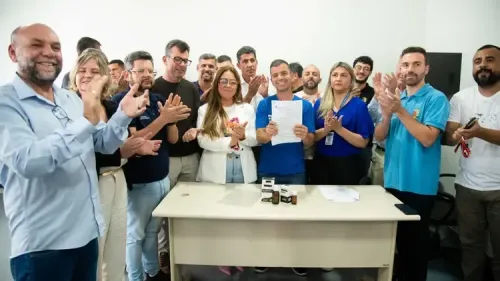
The medical cannabis program in Barra Mansa was established by the municipal government of the city, in southern Rio de Janeiro, and provides for the supply of cannabinoid-based medications through the Unified Health System (SUS). The initiative was made official on October 29 through Decree 12,930/26, signed by Mayor Luiz Furlani.
The medical cannabis program in Barra Mansa is intended for children, adolescents, and adults residing in the municipality who have been diagnosed with Autism Spectrum Disorder (ASD) or refractory epilepsy. The proposal provides access to cannabinoid-based medications, especially cannabidiol (CBD), subject to individualized clinical evaluation and compliance with socioeconomic criteria.
The initiative seeks to expand access to medical cannabis through SUS for families facing financial difficulties in affording treatment. People in situations of socioeconomic vulnerability will have priority, provided they meet the requirements established by the municipal administration.
To understand clinical applications, scientific evidence, and care related to treatments, consult the Portal Sechat medical cannabis guide.
Program may serve around 40 patients
According to the city government, the initial estimate is that approximately 40 people may meet the program's criteria.
The municipal administration reported that the medication can cost around R$ 2,000 and last approximately three months, depending on the dosage prescribed for each patient.
Anna Carolina Rabello Bordeira, a pharmacist from the Municipal Health Department, participated in the presentation of the initiative and detailed the criteria planned for patient care.
Refractory epilepsy, one of the conditions covered, is characterized by difficulty in controlling seizures with conventional treatments. However, the inclusion of the condition in the municipal program does not mean an automatic indication for cannabidiol. The need for the medication must be evaluated and justified by the attending physician.
How will access to cannabidiol through SUS work?
The Municipal Health Department will have up to 30 business days after the publication of the decree to establish, through an internal administrative order, the program's operating procedures.
The regulation must define patient flows, required documents, criteria for medical prescriptions, presentation of medical reports, and prescription renewals. It must also establish procedures for socioeconomic evaluation and the role of the technical committee responsible for reviewing requests.
Among the requirements announced by the city government are:
- Confirmed diagnosis of ASD or refractory epilepsy;
- Substantiated clinical indication;
- Follow-up with a specialist from the municipal public healthcare network;
- Detailed medical report;
- Valid prescription issued by a neurologist or pediatric neurologist registered in the program;
- History of previously used treatments;
- Clinical justification for the indication of CBD;
- Definition of therapeutic goals;
- Agreement to clinical and pharmaceutical monitoring;
- Proof of residency in Barra Mansa;
- Submission of required administrative and socioeconomic documents, including information from CadÚnico.
The city government has yet to detail how interested parties will be able to file requests and track the review process.
Distribution depends on regulation and budget
Although the decree establishes the medical cannabis program in Barra Mansa, the measure does not mean the immediate start of medication delivery. Dispensation will depend on the publication of the administrative order regulating the initiative's operation, patient evaluations, and the municipality's budgetary and financial availability.
Mayor Luiz Furlani, Municipal Health Secretary Sérgio Gomes, and Deputy Mayor Luciana Alves took part in the presentation of the program, which was also attended by representatives of the city council.
The initiative establishes a local public policy for access to cannabinoid-based medications, with evaluation and monitoring criteria. The effective implementation will depend on the administrative stages planned by the municipal government itself.
To learn about other aspects of access, regulation, and treatments, check out the Portal Sechat special on medical cannabis.