Medical cannabis shows potential in relieving insomnia, studies say
New studies show that cannabis-based medications, especially those with THC or mixed cannabinoids, can improve sleep quality and offer hope for those suffering from insomnia.

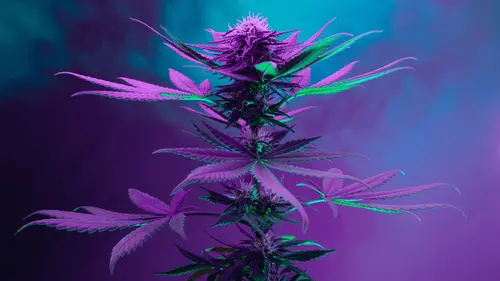
Getting a good night's sleep is still a challenge for 45% of the global population according to the WHO. But science is beginning to point to pathways beyond traditional prescription medications. New research suggests that cannabis-based medications, especially those containing THC or combinations of cannabinoids, may be promising allies in the fight against insomnia.
Two recent studies have drawn attention. A meta-analysis published in Sleep Medicine Reviews analyzed six clinical trials with 1,077 participants and found a significant improvement in sleep quality among those who used formulations without CBD, such as isolated THC or mixed with other cannabinoids.
Meanwhile, a study from Imperial College London, involving 124 patients from the UK followed for 18 months, reported not only advancements in sleep but also reductions in symptoms of anxiety, depression, and pain.
Today, about one in three people worldwide has difficulty sleeping well, and 10% of adults meet the criteria for insomnia. Traditional treatment options, such as cognitive-behavioral therapy or prescribed medications, are often hard to access and can lead to adverse effects or long-term dependency.
Stronger results with THC and mixed cannabinoids
The systematic review indicated that, in clinical trials, improvements were more pronounced in individuals diagnosed with insomnia or poor sleep quality. Formulations without CBD showed a medium to large effect, while the exclusive use of cannabidiol did not demonstrate significant benefits, which questions the popular perception that CBD alone is a potent sleep inducer.
Despite the encouraging results, researchers emphasize that robust trials are still needed to define ideal dosages, safe formulations, and long-term effects.
Real-world evidence
In the British study published in PLOS Mental Health, patients treated with medical cannabis reported consistent gains in sleep quality over a year and a half, with only 9% mentioning mild adverse effects, such as fatigue and dry mouth.
“Our study showed that treatment for insomnia with cannabis-based medicinal products was associated with sustained improvements in subjective sleep quality and anxiety symptoms,” said Dr. Simon Erridge, research director at Curaleaf Clinic.
For him, these findings reinforce the role of medical cannabis as an alternative in cases where conventional methods have failed, but highlight the importance of continuous monitoring and individualized treatment plans.
With information from Cannabis Health News.