Medical cannabis: understand what it is, what it is for, and the rules in Brazil
Discover what medical cannabis is, what it is used for, and how this treatment has advanced in Brazil, with proven benefits and safe medical guidance.

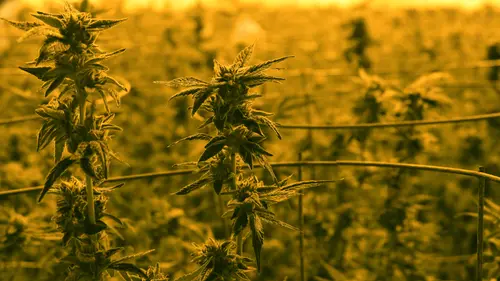
The term “medical cannabis” refers to the therapeutic use of the Cannabis sativa plant, when cultivated and processed specifically to generate compounds that can bring health benefits.
The main components with medicinal potential are cannabinoids, among which Cannabidiol (CBD) and Tetrahydrocannabinol (THC) stand out, which are used alone or in combination, depending on the formulation.
Main recognized indications and benefits
Medical cannabis has been used, with increasing support from scientific evidence and medical attention, to treat or alleviate symptoms of various conditions, including:
- Chronic pain, including neuropathic pain
- Neurological diseases, such as treatment-resistant epilepsy and spasticity from diseases like multiple sclerosis
- Symptoms associated with neurodegenerative or degenerative diseases like Parkinson's, Alzheimer's, with ongoing studies evaluating these potentials
- Adverse effects of intensive treatments, such as chemotherapy — relieving symptoms like pain, nausea, discomfort
- Improvement in quality of life in chronic conditions or those with a significant impact on patient well-being
Although some indications are still in the process of scientific validation, the scenario is increasingly promising. With each new study, we expand our understanding of how medical cannabis can act in the body and which patients benefit most from the treatment.
The more research is conducted, the safer and more effective therapeutic use becomes, strengthening clinical practice and paving the way for new possibilities in medicine.
Medical cannabis in Brazil: regulatory advances and access
The path of medical cannabis in Brazil has had important milestones that have helped make access more structured:
- In 2014, the first patient associations began to emerge, driven by court decisions that allowed access to cannabis oil in Brazil.
- In 2015, the National Health Surveillance Agency (Anvisa) removed cannabidiol from the list of prohibited substances, allowing the importation of cannabis-based products for medicinal use.
- In 2019, the sale of cannabis-derived products in pharmacies was regulated by Anvisa, with medical prescriptions and under sanitary criteria.
- In 2022, RDC 660 was created to regulate the exceptional importation of cannabis-derived products by individuals, for personal use, upon medical prescription and registration with Anvisa.
- Starting in 2023, the first cases of judicial authorization for compounding pharmacies to manipulate cannabis derivatives began to emerge.
- Currently, the country is discussing and evolving to allow the national cultivation of the plant for medicinal purposes: the STJ defines the final deadline as March 31, 2026.
- Anvisa also published in 2025 a notice to gather scientific evidence to support a regulation on the cultivation of the plant for medicinal and pharmaceutical purposes.
- Experts from various institutions recently proposed a regulatory framework to expand research and medicinal use of cannabis, highlighting the need for clear and safe regulations.
Challenges, myths, and precautions
Despite the advances, the use of medical cannabis still faces challenges and prejudices:
- There is a lack of robust clinical studies for many of the indications attributed, meaning that some benefits are still under investigation.
- Regulation in Brazil, although it has advanced, still faces significant gaps: many of the products sold are imported, and national production, cultivation, and industrialization depend on new regulations from Anvisa.
- Deficient information or social prejudice still surround the topic. Some confuse “medical cannabis” with recreational use, which can hinder access or stigmatize patients.
- Healthcare professionals, patients, and society need continuous education about the uses, limits, risks, and evidence of medical cannabis. Recent health education projects aim to break myths and promote qualified information.
Why the current moment is strategic
With the recent publication of Anvisa's notice to gather studies on cultivation, combined with the growing mobilization of specialists for a clearer regulatory framework for medical cannabis, Brazil is experiencing a decisive moment.
Also Know - Pain Treatment Market: projected growth to US$ 144.2 billion by 2029; cannabis may drive it
If well regulated, the country can expand access to treatments, reduce import costs, stimulate national production, foster scientific research, and provide more security to patients and healthcare professionals, strengthening medical cannabis as a legitimate and evidence-based tool in Brazilian medicine.
Medical cannabis has the potential to offer effective treatments and relief for various health conditions, especially when other traditional options do not work. In Brazil, the regulatory path has already advanced significantly, with medical prescriptions allowed and imports permitted, and today the discussion about cultivation and national production is expanding.
Regulation of cultivation for medicinal and scientific purposes in Brazil
The Superior Court of Justice (STJ) has extended the deadline for the regulation of medicinal and scientific cannabis cultivation in Brazil by another 180 days, now set for March 31, 2026. The decision was made after a vote by Minister Regina Helena Costa during the judgment of IAC 16.
Main points of the vote
- The process involves a complex structural litigation, requiring alignment between Anvisa, ministries, and civil society.
- Of the nine stages outlined in the plan, five have already been completed, including rules for seed importation and provisional registration of producers.
- The minister rejected the proposal for a fine for delays, stating that penalizing public coffers would be ineffective.
Last extension
Regina Helena emphasized that this will be the final deadline extension, conditioned on the government and Anvisa fulfilling the intermediate stages.
What changes
With the approval of the plan, the STJ maintains the expectation of progress in the regulation of cannabis cultivation in Brazil, a central theme for patients, companies, and researchers. The final definition — awaited for years — will be set for 2026.