Medical Cannabis: Who is Behind Access for the Population?
The Federal Bill that authorizes and sets regulations for cultivation and other issues, PL399/2015, is still pending. Some municipalities have already implemented their initiatives on the subject since 2021. Now, with the law sanctioned in the state of São Paulo and
The Federal Bill that authorizes and sets regulations for cultivation and other issues, PL399/2015, is still pending. Some municipalities have already implemented their initiatives on the subject since 2021. Now, with the law sanctioned in the state of São Paulo and the public consultation by ANVISA concluded, the expectation is for changes in national regulation
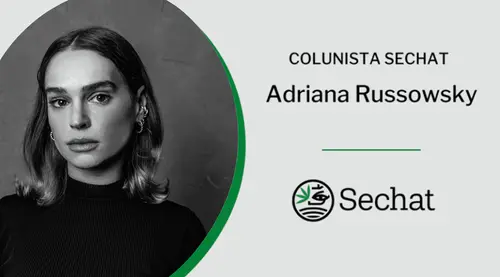
By Adriana Russowsky
We live in a democracy, where public opinion is necessary to build the organizational foundation of the country. The topic is complex! ANVISA launched a questionnaire in November and December 2022 and published it now at the beginning of 2023. Theoretically, this questionnaire will support the revisions already foreseen in law at the end of last year regarding the normative resolutions, RDCs 660 and 327 of 2019. It is this agency that actually dictates what will be done regarding the topic, not the Federal Council of Medicine, as we observed in previous episodes. Remembering that we depend on the prescriptions of these professionals and others in the health field, such as veterinarians and dentists.
To this day, the work of patient associations and associative cultivation provides enormous support for this struggle. This February, the cause gained more strength: another Association, Santa Cannabis (SC), is duly authorized to carry out cultivation, production, and transportation of the plant. We must also emphasize the importance of the research work developed by students, professors, and institutions. Entrepreneurial initiatives also provide important support for the dissemination of information and access.
The state public network of São Paulo is backed by law 17.618/23, signed by Governor Tarcísio de Freitas. With this decision, the free distribution of CBD and extracts from the plant through SUS (Unified Health System) in the state is permitted.
A New Phase Opened
In April 2022, the municipality of Ribeirão Pires-SP had already validated a municipal law regarding the distribution of these products.
Until then, what has really made a difference are the Municipal Bills. The municipality of Búzios-RJ, in 2021, marked the beginning of this achievement. Encouraged by the Associations APEPI and AbraRio, the city adopted the inclusion of plant extracts in the REMUME (Municipal List of Medicines). The law authorizes the purchase of products derived from the plant and their distribution to eligible patients in cases of autism, refractory epilepsy, and chronic pain.
Examples of municipalities that have had similar initiatives so far include Braço do Norte-SC, in September 2022. Initiated in the city council, through a project presented by councilor Michell Sombrio (MDB), the measure was sanctioned and turned into law by Mayor Beto Marcelino (PSD). Other councilors have been filing similar bills in other municipalities since last year, such as Aracaju-SE, Porto Alegre-RS, Salvador-BA, for example.
Meanwhile, in Paraná, the president of the Legislative Assembly, Ademar Traiano (PSD), promulgated the “Petal Law” again this February. Since at the end of last year it was not sanctioned by Governor Ratinho Júnior (PSD). Currently, in Balneário Camboriú-SC, an open cabinet meeting will be held next month in the municipal chamber to follow the same path while the state and the federation do not present definitions. The initiative comes from the request of citizens like me, to councilor Eduardo Zanatta of the PT.
About the Author:
Adriana Russowsky joined the cannabis market in the early years when cannabis medicine began in the country, as due to her in-depth studies and academic background in phytotherapy, she turned her attention to therapies with plants and nutrients, using her professional experience and studies in integrative medicine as a basis.
Today, she composes and implements strategies for the protocols she developed and created within cannabis commercialization companies and cannabis clinics in the country, and believes that scientific and educational institutions should better inform future doctors and other professionals about this need for knowledge, thereby expanding what she believes to be the correct access to the community.