Mogi das Cruzes stands out as an agricultural powerhouse; inclusion of cannabis in public policies faces barriers
Municipality in Alto Tietê, a national reference in vegetables, persimmons, and mushrooms, discusses the role of medicinal and industrial cannabis in agricultural diversification

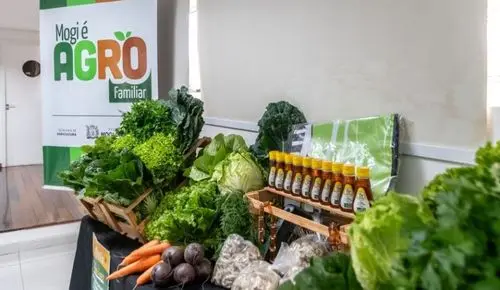
Mogi das Cruzes, in Alto Tietê, is a national reference in diversified agricultural production, with a focus on vegetables, persimmons, mushrooms, orchids, and loquats. The municipality is part of the largest green belt in the state of São Paulo, supplying the Greater São Paulo area with hundreds of thousands of tons of products per year, and is establishing itself as a hub of innovation and sustainability in the field.
According to Melissa de Paula, co-founder of the Aflora Association, which has managed to open up space and foster debate in the city, “Mogi das Cruzes is a diversified agricultural powerhouse: a national reference in the production of vegetables, persimmons, mushrooms, orchids, and loquats, with official recognition in the state ranking of agricultural public policies. This historical leadership shows that the city not only dominates different production chains but also has the soil, climate, know-how, and workforce conditions to become a reference in new high-value-added crops, such as medicinal and industrial cannabis. The same tradition that made Mogi a leader in persimmons and mushrooms can be the basis for the next frontier of agriculture.”
The leader emphasizes the need for public policies to make room for new crops: “There is a great deal of caution in addressing this issue. For over a year, I have wanted to have this dialogue to speak with families and farmers and show what is happening in the cannabis scenario. Gradually, we see that doctors and the population are seeking to clarify doubts about the subject, and we already see a greater openness to discuss it. It is essential that public policies encompass the cultivation of cannabis, ensuring legal certainty and incentives for farmers.”
Agricultural data from Mogi das Cruzes
Vegetables: over 7,100 cultivated hectares, supplying the Greater São Paulo area with hundreds of thousands of tons per year.
Persimmons: about 916 cultivated hectares, producing approximately 45,000 tons/year, responsible for ~50% of national production.
Mushrooms: the largest producing hub in the country, including shiitake, shimeji, and champignon, focusing on technological innovation and sustainability.
Orchids: one of the largest producing centers in Brazil, with hundreds of family and commercial producers; fairs and exhibitions drive the ornamental sector.
Loquats: significant production, supplying markets and fairs in São Paulo, with part of the harvest being exported.
Institutional recognition: in 2023/24, 9th position in the “Municipal Agro” Paulista ranking; in 2022, allocated 64% of PNAE resources to family farming, well above the minimum required by law.
The municipality, with this consolidated agricultural tradition, will host a public assembly Cannabis in Focus: what you need to know? on September 25th, at 3:00 PM, at the City Council, bringing together doctors, lawyers, and patients. The meeting aims to bring farmers, healthcare professionals, and the population closer together to discuss the advances of medicinal and industrial cannabis and its role within public policies that promote sustainable development and agricultural diversification in Mogi das Cruzes.