Myths vs. Truths: doctor clarifies doubts and taboos about cannabidiol
Dr. Juliana Bogado explains how to differentiate facts from misinformation and clarifies doubts about the safe and responsible use of cannabidiol in Brazil

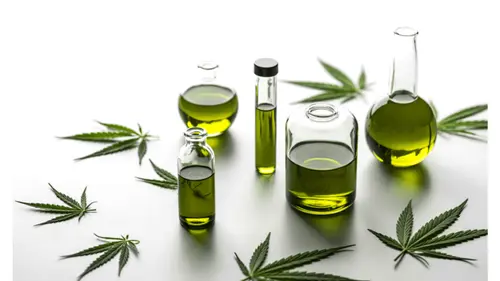
Cannabidiol (CBD), one of the most studied compounds of Cannabis sativa, has been gaining space in health discussions in Brazil and worldwide. Indicated in treatments for epilepsy, chronic pain, anxiety, and sleep disorders, CBD has sparked hope and also many doubts. Between misinformation on social media and miraculous promises, distinguishing fact from fiction has become a challenge for patients and healthcare professionals.
For Dr. Juliana Bogado, a specialist in cannabinoid medicine, academic coordinator of the EndoPure Academy, the popularization of the use of cannabidiol requires seriousness, responsibility, and critical thinking. “Not every product containing CBD is automatically safe, effective, or suitable for therapeutic use,” warns the doctor.
According to her, many items available on the market do not have quality control, standardization, or traceability, which can compromise both the effectiveness and safety of the treatment.
How to separate facts from misinformation
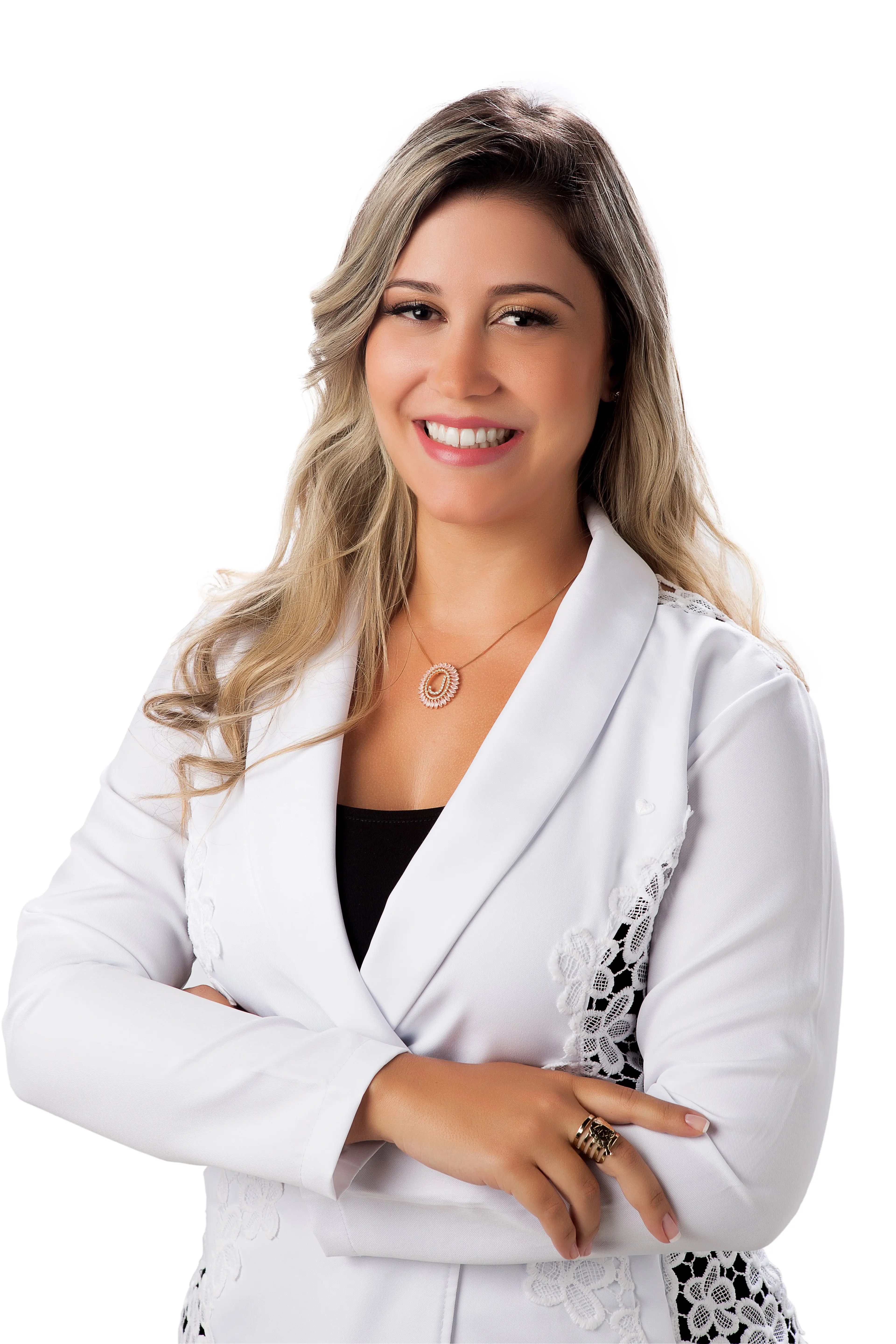
According to Bogado, there are three essential points for those seeking a safe and effective treatment with CBD.
The first is to opt for products regulated by Anvisa, either through authorized importation or national suppliers with valid sanitary authorization. It is essential to demand the Certificate of Analysis (COA), which proves the concentration of cannabinoids and the absence of contaminants. “The absence of this information is already a warning sign, and unfortunately, a large part of these products does not have this control,” she emphasizes.
The second criterion is to seek reliable sources of information, such as reviewed scientific literature, updated clinical guidelines, and recognized medical societies. “Cure promises, miraculous claims, and sensationalistic language are typical of misinformation,” she explains.
Finally, the third point is specialized medical monitoring. The prescription should be made by qualified professionals who understand the pharmacology of cannabinoids and know how to individualize the treatment. “The use without monitoring can lead to therapeutic failures, drug interactions, or avoidable adverse effects".
Myths and truths about cannabidiol
To help clarify the topic, Dr. Juliana Bogado answered a questionnaire with 15 popular statements about CBD, classifying them as myth, truth, or depends.
Check:
- Cannabidiol causes psychoactive effects: Myth. CBD does not have psychoactive effects, unlike THC.
- The use of cannabidiol can cause dependence: Depends. There is no chemical dependence, but continuous use may be necessary in chronic diseases.
- All cannabis products are the same: Myth. Each formulation has different concentrations and therapeutic effects.
- Cannabidiol is indicated only for epilepsy: Myth. It can be used in ASD, multiple sclerosis, ALS, chronic pain, and more.
- CBD can be used by children and the elderly: Truth. Provided there is a prescription and dose adjustment.
- CBD products sold without a prescription are safe: Myth. In Brazil, prescription-free products are illegal and without pharmaceutical guarantee.
- The use of cannabidiol is 100% legal in Brazil: Truth. As long as it follows Anvisa regulations.
- Cannabidiol and marijuana are the same thing: Myth. CBD is just one of the plant's compounds.
- Cannabidiol can replace traditional medications: Truth. But gradually and supervised.
- The use of CBD helps in cases of anxiety, insomnia, and chronic pain: Truth. Studies show significant improvement in these cases.
- CBD is effective in treating Alzheimer's: Truth. With promising evidence, although more studies are needed.
- Any doctor can prescribe cannabidiol in Brazil: Truth. The prescription is free for registered professionals.
- The use of CBD is approved only in severe cases: Myth. Today, Anvisa allows prescription for different conditions.
- Cannabidiol has side effects: Truth. They vary according to the cannabinoid and the patient.
- Cannabidiol is used to prevent diseases: Truth. Especially neurodegenerative diseases.
Information and care go hand in hand
For Juliana Bogado, the democratization of knowledge is essential for patients to have safe access to the benefits of cannabinoid medicine. “Avoiding misinformation is an act of responsibility. It is necessary to always seek qualified professional guidance and regulated products,” she summarizes.
More than just a trending topic, cannabidiol represents an advancement in how we look at care: based on science, empathy, and safe information.