New York Wants to Ensure Cannabis Remains About Health Even After Legalization
After legalizing recreational use, New York seeks to preserve the medicinal character of cannabis by creating public health rules and expanding patient access

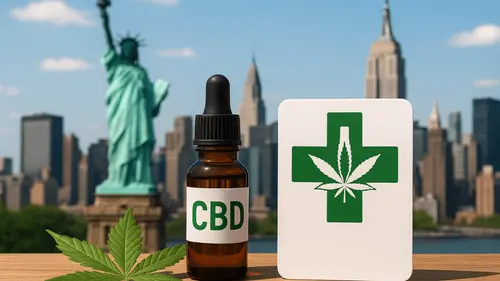
Since legalizing adult use, New York has adopted a differentiated strategy to ensure that cannabis continues to be treated as a medicine, not just as a recreational product. To this end, it has structured a regulatory framework that combines social equity, health oversight, and a focus on public health. The appointment of Dr. June Chin as the "chief health officer" in the state regulatory body is symbolic; she embodies the state's intention to balance the expanded market with protection for patients.
The goal is that patients who already depend on medicinal cannabis do not get lost in the transition process: to this end, dispensaries will continue to have pharmacists on duty, and pending legislation should allow patients to renew their certifications for a longer period and cultivate plants at home, without giving up a core of health control.
Challenges That Persist and Eyes on the Future
The most delicate measure may be to prevent adult use from degrading the medicinal reputation of the plant or for the "recreational trend" to decrease the number of registered patients. In many states, when adult commerce comes into play, the participation of medical users plummets, but New York wants to maintain a high retention rate in the medical model.
Moreover, the federal issue weighs heavily: since cannabis remains classified as a high-risk substance, there are severe barriers to scientific research and the integration of treatments into traditional medicine or insurance. The expectation is that if there is a change in the federal classification of the plant (such as reclassification to a less restrictive level), new opportunities will open for investigation and broader action in the health sector.
With information from MJBizDaily.