"Now he is who he really is": the transformation of Khevin, a child diagnosed with ASD and ADHD
Improvement in sleep, nutrition, and reduction of aggression are some of the benefits pointed out by the mother
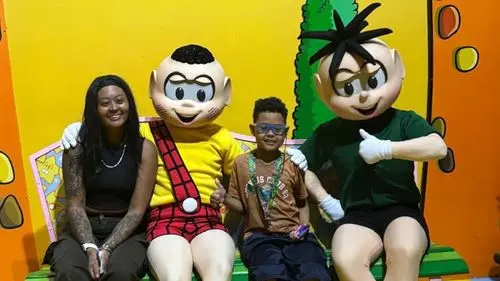
Resident of Carapicuíba (SP), little Khevin Miguel Roldan Martins, 8 years old, stands out among his peers as a "young youtuber". On his channel, he shares animations, builds in games, and other video creations.
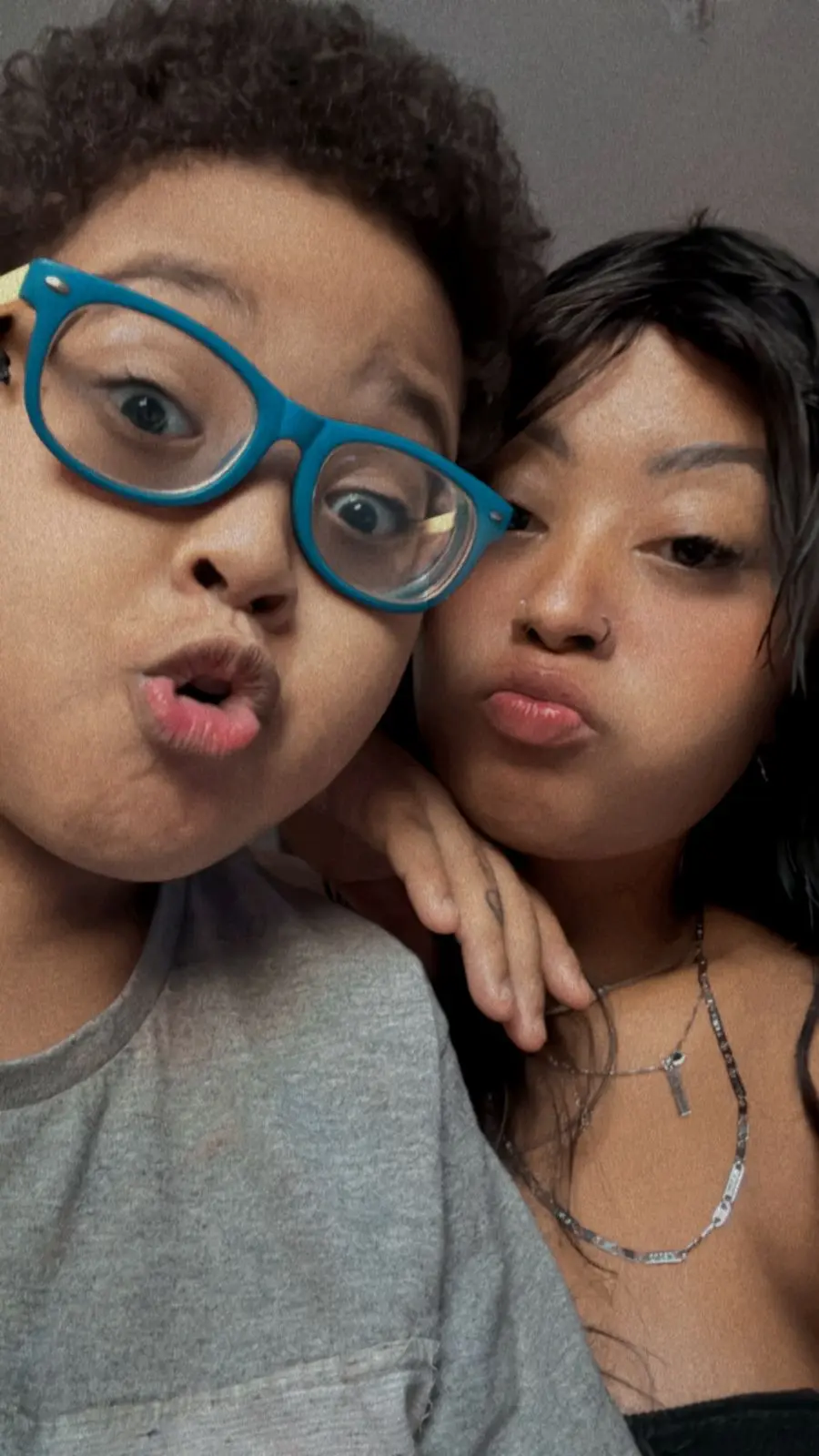
Despite being self-taught and creative on social media, his behavior off-screen was quite different. According to his mother, Juliany Cristiny Roldan, her son could not interact playfully with toys or people, showing difficulty in communication.
Diagnosed with Autism Spectrum Disorder (ASD) and Attention Deficit Hyperactivity Disorder (ADHD), after starting the use of cannabidiol (CBD), a molecule extracted from Cannabis Sativa L., Khevin has already shown significant improvements.
"He started to create games with the toys, without being on the computer. One night, he told me: 'Mom, I had an idea for an animation.' He got up, wrote a script, and then went to sleep," Juliany recounts.
Early diagnosis and the challenges of hyperactivity
Diagnosed with autism at two years old, Khevin began therapy with psychologists, occupational therapists, and other professionals. Until he was six, he did not use medication, but his restlessness began to worry.
The first medication was risperidone, prescribed after successive sleepless nights. "In the first few days, it was wonderful; he fell asleep quickly. But I was scared; it felt like I was drugging my son," Juliany reports.
Over time, the effect of the medication diminished. Sleep difficulties, food selectivity, and aggression became a challenge again.
ADHD, ineffective medication, and intense crises
At seven years old, came the new diagnosis: Attention Deficit Hyperactivity Disorder (ADHD). The psychiatrist suggested the use of Ritalin, but the medication was rejected by Khevin — he only accepts transparent medications.
Without adherence to Ritalin, the family continued only with risperidone. Dosage adjustments caused excessive drowsiness and irritability. "A simple 'no' would make him extremely irritated. He would scream and throw objects. We know that crises are part of it, but this was new," the mother reports.
Excluded from school, embraced by cannabis
In 2024, the crises increased, and Khevin spent most of the year out of the public school he attended. "Inclusion does not work as it should. When there is a teacher to support him, they soon call asking me to pick him up," Juliany laments.
Overwhelmed and without support, she began to look for alternatives. It was then that, in October 2024, the possibility of using cannabidiol in the treatment of autism and ADHD arose. "Some doctors are against it, saying that studies are lacking. But I thought: why wait for everything to get worse to try cannabidiol if I can prevent the crises now?"

The introduction of cannabidiol brought quick results. The crises of aggression drastically reduced. "Aggression has practically disappeared. The 'scream' still came, but it seemed like a relief. Then, he continues with his activities."
The food selectivity, which previously caused nausea at the sight of others eating, also showed signs of improvement. "Today he even took a sip of milkshake. He didn't like it, but he tried," she adds.
"Today it is very difficult to see Khevin in crisis. He knows himself better, expresses himself better, and we can also breathe. I feel that now he is being who he really is," the mother concludes.
Reduction of medication and advances in sociability
With the overall improvement, the family began the gradual withdrawal of risperidone. Today, Khevin uses only 0.5 ml per day, in addition to melatonin to sleep.
From a social perspective, the progress is visible: the boy, who was previously intolerant to touch, now accepts hugs and other gestures of affection.
Despite this, school continues to be the main obstacle. With constant disagreements, she created alternatives to help her son. "He enters at seven, and by nine they already ask to pick him up. In the cold, it doesn't work. I ask for the homework to do at home," Juliany explains.
In the segment How is Dr.? Dr. Kemilly Andrade explains how cannabis can help patients with Autism Spectrum Disorder and Attention Deficit; Watch the video: