Plant Thefts, Another Challenge for the Cannabis Industry
Companies located in Argentina, Chile, Uruguay, and the United States are facing a new type of crime: the theft of cannabis plants. Pablo Fazio discusses the risks of this new trend in his column.

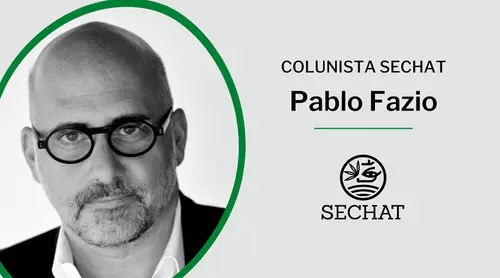
By Pablo Fazio
A few weeks ago, two acts of insecurity raised red flags in Argentina among the cannabis community. In less than 15 days, two of the research projects authorized by the National Ministry of Health fell victim to thefts of their crops.
The first incident occurred at the Scientific and Technological Center of the National Council of Scientific and Technical Research (CONICET) in Puerto Madryn, Chubut Province. A few days later, the greenhouses set up by Pampa Hemp at the INTA Experimental Station in Pergamino were raided to steal fifty flowering plants, which were part of a trial to assess the response of a strain with a high CBD content to different substrates and nutritional plans.
This was not an isolated situation; there are dozens of testimonies and complaints from users and self-growers of REPROCANN (Cannabis Program Registry) who have been victims of the so-called "cogolleros" - plant thieves - for years across the country, particularly active during the harvest season.
Unfortunately, we must point out that we are not alone.
Similar situations have occurred in Spain, where a wave of attacks on fourteen authorized hemp plantations last year affected the regions of Catalonia, Granada, Extremadura, and Murcia, alarming authorities with the rise of this new form of crime.
In Uruguay, there has been a succession of thefts of legal crops in various parts of the Canelones department, and attacks on a dozen cannabis clubs across the country have multiplied. These incidents have led to disputes between the Ministry of the Interior and the Cannabis Regulation and Control Institute (IRCCA) of the country, as the police demand access to information about the 160 registered clubs and over 11,000 growers, but the IRCCA believes this information is confidential and its safeguarding is its responsibility as an institute created specifically for this purpose.
In Chile, we can recall the million-dollar robbery that affected the company Agrofuturo, dedicated to the cultivation of industrial hemp in the rural sector of Chacayal Sur east of Los Angeles, Bio Bio. Unknown assailants entered the facility, where three security guards were subdued, tied up, and assaulted to steal cannabis production valued at 600 million Chilean pesos.
In the United States, thefts of medical cannabis dispensaries, recreational shops, and cultivation sites are multiplying and making headlines across the country. In San Francisco alone, there are reports of over 25 such incidents and millions of dollars in damages in the last six months. The scale is such that Americans for Safe Access (ASA) has developed a "Theft Preparedness Guide" in response to the rising reports of crimes targeting retailers in the sector, recognizing that they have become vulnerable targets because many operate largely on a cash basis, lacking access to banking services and other financial services due to legal restrictions. This reality has been highlighted by lawmakers who have been working for the urgent passage of the Secure and Fair Banking Act (SAFE). However, despite having been approved by the House of Representatives, the reform remains blocked in the Senate.
In Latin America, we are trying to get our industry moving and advocating for the creation of a regional-scale market. The regulatory review we face has become a multidimensional debate: cultural values, failed policies, science, health, the illegal market, crime, supply, and demand. Undoubtedly, public safety is a central issue that we must add to this list and address jointly and intelligently between the public and private sectors, as our chances of success in responding to the challenges we face largely depend on it and it emerges as a sine qua non condition for success.
The opinions expressed in this article are personal and do not necessarily reflect the position of Sechat.
About the Author:
Pablo Fazio is an entrepreneur and small and medium-sized business owner. He currently lives in Argentina, where he presides over the Argentine Cannabis Chamber (Argencann), which aims to promote the development and expansion of the cannabis industry in the country.
The text by Pablo Fazio was originally written in Spanish, see below in full:
Narcoassaults, another challenge that adds to the cannabis industry
A few weeks ago, two acts of insecurity raised warning signs in Argentina among the cannabis community. In less than 15 days, two of the research projects authorized by the National Ministry of Health were victims of thefts in their crops.
The first incident occurred at the Scientific and Technological Center of the National Council of Scientific and Technical Research (CONICET) in Puerto Madryn, Chubut Province. A few days later, the greenhouses set up by Pampa Hemp at the INTA Experimental Station in Pergamino were broken into to steal fifty flowering plants, which were part of a trial assessing the response of a strain with high CBD content to different substrates and nutritional plans.
This was not an isolated situation; there are dozens of testimonies and complaints from users of REPROCANN (Cannabis Program Registry) and self-growers who have been victims of the so-called “cogolleros” - plant thieves - for years throughout the country, particularly active during the harvest season.
Unfortunately, we must point out that we are not alone.
Similar situations have occurred in Spain, where a wave of assaults on fourteen authorized hemp plantations affected the regions of Catalonia, Granada, Extremadura, and Murcia last year, alarming authorities with the growth of this new form of crime.
In Uruguay, there has been a succession of thefts of legal crops in different parts of the Canelones department, and attacks on a dozen cannabis clubs across the country have multiplied. These incidents have generated disputes between the Ministry of the Interior and the Cannabis Regulation and Control Institute (IRCA) of that country, as the police demand access to information about the 160 registered clubs and more than 11,000 growers, but the IRCCA believes this information is confidential and it is their responsibility to safeguard it as an institute created specifically for these purposes.
In Chile, we can recall the million-dollar robbery that affected the company Agrofuturo, dedicated to the cultivation of industrial hemp in the rural sector of Chacayal Sur east of Los Angeles, Bio Bio. Unknown assailants entered the plant where they subdued three security guards, tied them up, and assaulted them to steal cannabis production valued at 600 million Chilean pesos.
In the United States, robberies of medical cannabis dispensaries, recreational shops, and cultivation sites are multiplying and making headlines across the country. In San Francisco alone, there are reports of more than 25 of these incidents and millions of dollars in damages in the last six months. The scale is such that Americans for Safe Access (ASA) has developed a “Theft Preparedness Guide” in response to the growing reports of crimes targeting retailers in the sector, recognizing that they have become vulnerable targets because many operate largely with cash, lacking access to banking services and other financial services due to legal restrictions. This reality has been denounced by lawmakers who have been working for the urgent passage of the Secure and Fair Banking Act (SAFE). However, despite having been approved by the House of Representatives, the reform remains blocked in the Senate.
In Latin America, we are trying to get our industry moving and advocating for the creation of a regional-scale market. The regulatory review we face has become a multidimensional debate: cultural values, failed policies, science, health, the black market, crime, supply, and demand. Undoubtedly, public safety must be a central issue that we should add to this list and address jointly and intelligently between the public and private sectors, as our chances of success in facing the challenges we encounter largely depend on it and it emerges as a sine qua non condition for achieving it.
The opinions expressed in this article are personal and do not necessarily correspond to the position of Sechat.
About the Author:
Pablo Fazio is an entrepreneur and SME businessman. He presides over the Argentine Cannabis Chamber (Argencann), created with the aim of promoting the development and expansion of the cannabis industry in his country.