Researchers Deliver Technical Proposal to Anvisa for Cannabis Regulation
A group of 58 specialists from public and private universities advocates for evidence-based regulations for the cultivation and regulation of cannabis in Brazil

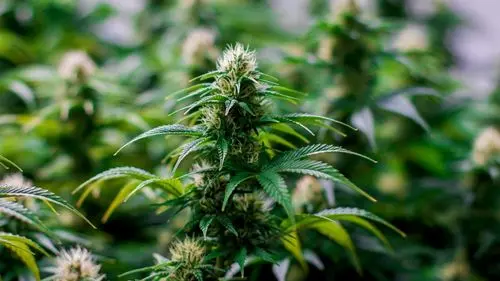
A group of 58 Brazilian researchers has presented an unprecedented technical-scientific contribution to the National Health Surveillance Agency (Anvisa). The document aims to support the debate on the regulation of cannabis for scientific and therapeutic purposes in the country.
The signatories are affiliated with public, community, and private universities, as well as federal institutes and centers of excellence. The initiative brings together specialists from fields such as agronomy, plant genetics, pharmacology, neuroscience, and public health, all with established careers in scientific production.
The material was prepared in response to the Public Call No. 23/2025. This call specifically addresses the rules for cultivating the plant intended for research and health use, being central to the future regulation of cannabis.
What the Call Says About Cannabis Regulation
According to Anvisa, the purpose of the call was to obtain comprehensive technical subsidies. The agency seeks data that addresses everything from cannabinoid levels to precise analytical methods for quantifying THC and CBD in cultivations.
In addition to the chemical aspects, the call requests studies on agronomic factors, agroclimatic zoning, and genetic characteristics. The process also opens space for the analysis of international legislation and the socioeconomic impacts related to cannabis regulation and its cultivation.
After the submission deadline, a specialized committee from Anvisa will have 30 days to evaluate the material. The result will be consolidated into a public report, serving as a technical basis for the new sector regulations in Brazil.
Defense of Scientific Sovereignty and Criticism of Arbitrary Limits
The researchers argue that Brazilian sanitary regulation should be based on updated scientific evidence and proportionality criteria to real risk. The group contends that cannabis regulation needs to be consistent with the country's climatic and territorial conditions.
Among the critical points addressed is the lack of a universal scientific basis for the prior limit of 0.3% THC. The document also calls for the bureaucratization of research, suggesting institutional authorization instead of fragmented project-based approvals, and recognition of research developed in partnership with patient associations.
For the specialists, an excessively restrictive regulatory framework could compromise national scientific sovereignty. They warn that overly rigid rules hinder technical-academic training and increase dependence on foreign inputs, undermining cannabis regulation as a whole.
Participating Institutions
The proposal seeks to collaboratively contribute so that Anvisa leads a modern and socially responsible model. Researchers affiliated with institutions such as Embrapa, Fiocruz, SBPC, and various federal universities (UnB, UFRJ, UNIFESP, UFSC, among others) participate in the initiative.
Representatives from research centers and associations such as AMAME, AMBCANN, and AgroCann also sign the document.