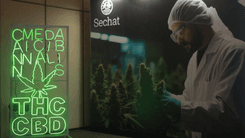
Science gains prominence in cannabis regulation
Advances by Anvisa in 2026 reinforce debate on research and public policies in the sector

Published on 03/24/2026
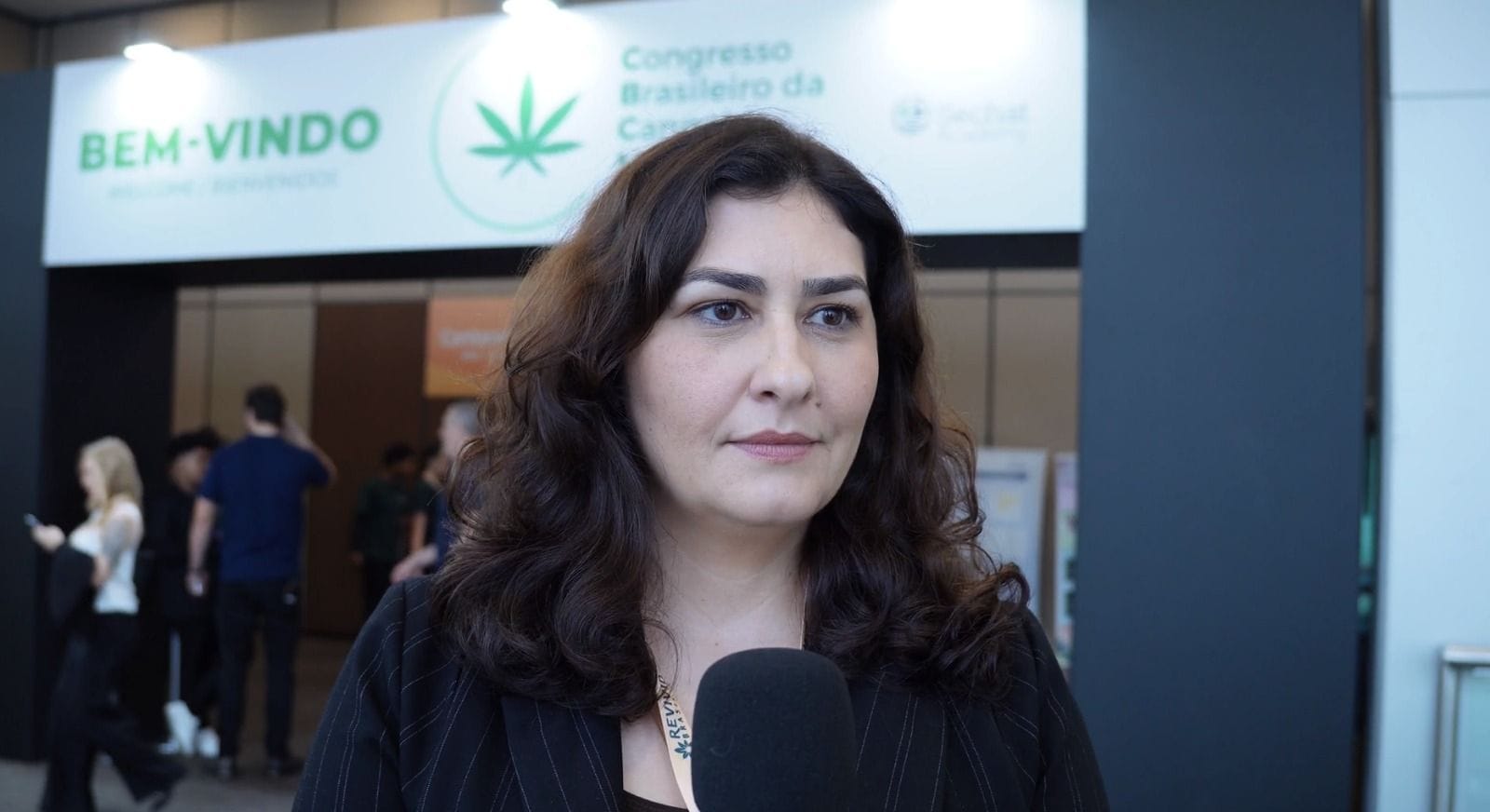
Daniela Bittencourt highlights the importance of scientific research in advancing cannabis in Brazil. Reproduction Sechat
Researcher from Embrapa, Daniela Bittencourt, advocated for expanding institutional dialogue and strengthening scientific research as pillars for advancing cannabis regulation in Brazil. According to her, the development of effective public policies depends directly on the production of technical data and integration among different government areas.
Regulatory advances put research at the center of the debate
This debate gains even more relevance in light of the regulatory advances recorded in 2026. Anvisa structured a new framework for medicinal cannabis in the country by publishing resolutions that regulate everything from cultivation to production, research, and access to products.
RDCs No. 1,012/2026 and No. 1,013/2026, with an effective date scheduled for August 2026, establish specific health criteria, including rigorous requirements for traceability, control, and supervision throughout the chain.
In the research field, RDC 1,012/2026 details the rules for granting Special Authorization (AE) to educational and research institutions, as well as defining security protocols. The standard establishes that products with a THC content above 0.3% intended for scientific studies must be imported, with prior authorization from Anvisa and in compliance with international guidelines, such as the requirements of the United Nations.
➡️ Read also: Anvisa publishes rules for medicinal cannabis production
➡️ Learn more: Anvisa sets dates for the start of new rules for cannabis in Brazil
At the same time, the new regulatory framework expands the scope of medicinal cannabis in Brazil, organizing the production chain and creating more solid foundations for scientific development — even though operational and bureaucratic challenges persist.
Science as the basis for regulatory decisions
During an interview at the Brazilian Medicinal Cannabis Congress 2025, Daniela emphasized the need to expand the space for science in regulatory decisions.
“So, and I think we need to involve, even more, ministries, right? I think, in fact, the issue of research, of science. So, here I take the opportunity to make an appeal, right? Please, right? Let's open the doors to science, let's really bring regulations that collaborate with us, that facilitate this access,” said the researcher during the 2025 congress.
She stated that regulatory progress needs to go hand in hand with the encouragement of scientific research, especially in a sector that still requires robust technical data to guide public and private decisions.
“We are talking about research, scientific research that will bring data — important technical data — that will, in fact, support the decision of regulatory bodies, right? Even to which direction we are going, how we can, then, work with cannabis and its products in a way that really impacts society, that is safe, calm, without ideologies, right? And really based on real facts, let's say, right? On scientific data, which is what we want and that is...,” she said.
Next edition already has a confirmed date
The Brazilian Medicinal Cannabis Congress 2026 returns between May 21 and 23, 2026, at the Transamerica Expo Center, with an expanded program and a focus on deepening discussions on science, regulation, and the market.
Service
Brazilian Medicinal Cannabis Congress 2026
May 21 to 23, 2026
Transamerica Expo Center – São Paulo
See the schedule: Click here
Register: Secure your spot
Watch the video: