See the elected councilors in São Paulo who advocate for the medicinal and industrial use of cannabis
Election of new representatives highlights the importance of the debate on the regulation and access to products derived from the plant

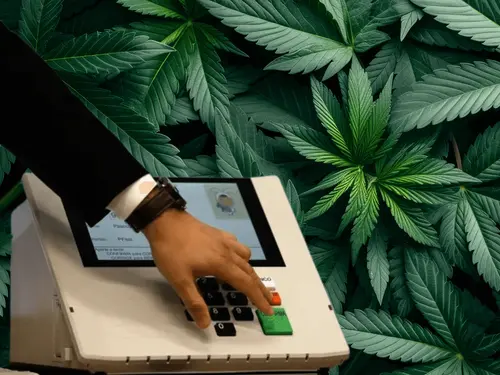
Seven councilors elected in different municipalities of the state of São Paulo on October 6th campaigned in favor of the defense of the medicinal and industrial use of cannabis in politics. See the elected candidates who will take office on January 1, 2025:
- Renatinho Se Ligue (PL) elected in Ferraz de Vasconcelos;
- Rogério Castilho (PSB) elected in Suzano;
- Paola Miguel (PT) elected in Campinas;
- Emerson Camargo (PSD) elected in Praia Grande;
- Dandara Gissoni (PSB) elected in Caçapava;
- Ricardo Canata (Podemos) elected in Leme;
- Allan Rached (PSB) elected in Monteiro Lobato.
All of them participated in the training course promoted by the Medicinal Cannabis Caucus, a cross-party movement led by state deputy Caio França (PSB). The movement's goal is to broaden the debate and ensure that medicinal cannabis is accessible to the population, especially those who depend on it for health treatments. França, who authored State Law 17,618/23, which included medicinal cannabis in the São Paulo SUS, emphasized:
"This movement comes to convey the message of the therapeutic benefits of medicinal cannabis within the municipality, further expanding the democratization of access to the most vulnerable people."
Dandara Gissoni (PSB), reelected councilor in Caçapava who also works as a social worker and volunteers at an equine therapy organization. Gissoni shares her experience with the use of cannabidiol (CBD), noting the positive results in young people with disabilities who use this substance. According to her:

"Many children use cannabidiol, and we see significant changes in all aspects, such as reduction of crises, acceptance of new foods, increased interactions, improvement in concentration and sleep."
She also criticizes the prejudice surrounding the medicinal use of cannabis, associating it with lack of information and political manipulation:
"Prejudice regarding the use is due to lack of information and even extremist political indoctrination, where they equate patients and caregivers who need the use to users of other drugs. Those who do this certainly do not have a child who needs the treatment and prefer to spread fake news to discredit the treatment for electoral purposes."
Dandara emphasizes the importance of making cannabis-based products increasingly accessible through the Unified Health System (SUS), advocating that they be made available similarly to common medications, such as dipyrone and ibuprofen. She concludes with a clear message: "Don't wait until you need it to support it!"
The election of these councilors marks a significant advancement in the debate on the medicinal and industrial use of cannabis, a topic that, despite scientific and legislative progress, still faces resistance due to misinformation and prejudices. However, the engagement of these representatives promises to increase awareness of the therapeutic benefits of cannabis and ensure a more fair and democratic access to products derived from the plant.