Study Reveals THC May Reverse Brain Aging in Mice
Researchers from Germany and Israel identified that tetrahydrocannabinol (THC), the active compound in cannabis, has the potential to reverse signs of brain aging in mice by stimulating the formation of new synapses and slowing biological aging.

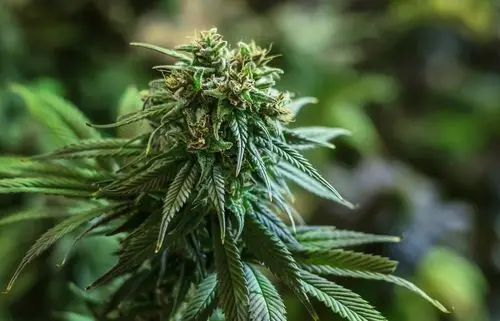
A team of scientists from Germany and Israel made a significant discovery about the potential benefits of tetrahydrocannabinol (THC), the main active ingredient in cannabis, in treating brain aging. According to a study published in Science Alert, THC has been shown to be capable of reversing conventional signs of brain aging in mice, suggesting possible future applications for keeping human brains healthier for longer.
The researchers observed that the anti-aging effects of THC are linked to a signaling pathway involving the mTOR protein, known for regulating cellular metabolism. This protein plays a crucial role in the metabolome, which is the overall composition of small molecules present in the body. “Now, we have been able to show that THC treatment has a dual and tissue-dependent effect on mTOR signaling and the metabolome,” explains Andras Bilkei-Gorzo, a molecular biologist at the University of Bonn in Germany.
The study involved two groups of mice: a young group, about four months old, and an older group, approximately 18 months. Both groups received low daily doses of THC for 28 days. The results showed that the mice treated with THC exhibited increased mTOR activity in the brain, which boosted the production of essential proteins for the formation of new synapses between neurons. This process is vital for improving nearly all aspects of brain function.
Additionally, the scientists noted that mTOR activity in the adipose tissue of the mice decreased similarly to what occurs in a calorie-controlled diet. This phenomenon indicates that the body began to reduce some of its production processes to slow biological aging.
Biologist Bilkei-Gorzo emphasizes that long-term THC treatment has a dual effect: initially, it enhances cognition by increasing energy and synaptic protein production in the brain, followed by an anti-aging effect by reducing mTOR activity and metabolic processes in the periphery.
Previously, some of the same researchers had discovered that low doses of cannabis could improve memory and learning abilities in older mice, reinforcing the potential link between THC and cognition.