The Rebirth of Dona Leny: Love, Parkinson's, and Hope with Medical Cannabis
With the support of her family, our interviewee has seen significant improvements with the use of medical cannabis in her Parkinson's treatment. A story of affection, science, and hope

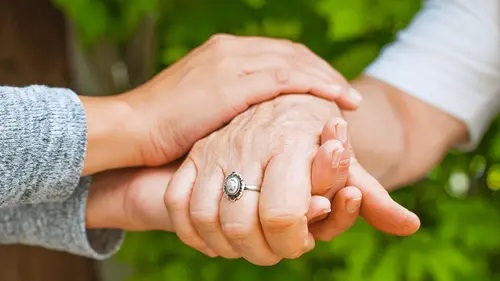
At 88 years old, Dona Leny Graciano Giafferis carries a story of dedication, affection, and wisdom. A resident of Bauru, in the interior of São Paulo, she is the center of a large and loving family, with four children, five grandchildren, and eight great-grandchildren who see her as a reference for care and support. Throughout her life, she has been fulfilled in the role she chose to live: that of the guardian of the home and family.
Without formal academic training, Dona Leny has always had a thirst for knowledge. She read a lot, enjoyed delving into topics such as cooking, health, and plants. She traveled whenever she could and delighted everyone with her elaborate dishes and her lighthearted approach to life. But three years ago, her routine changed drastically with the diagnosis of Parkinson's disease.
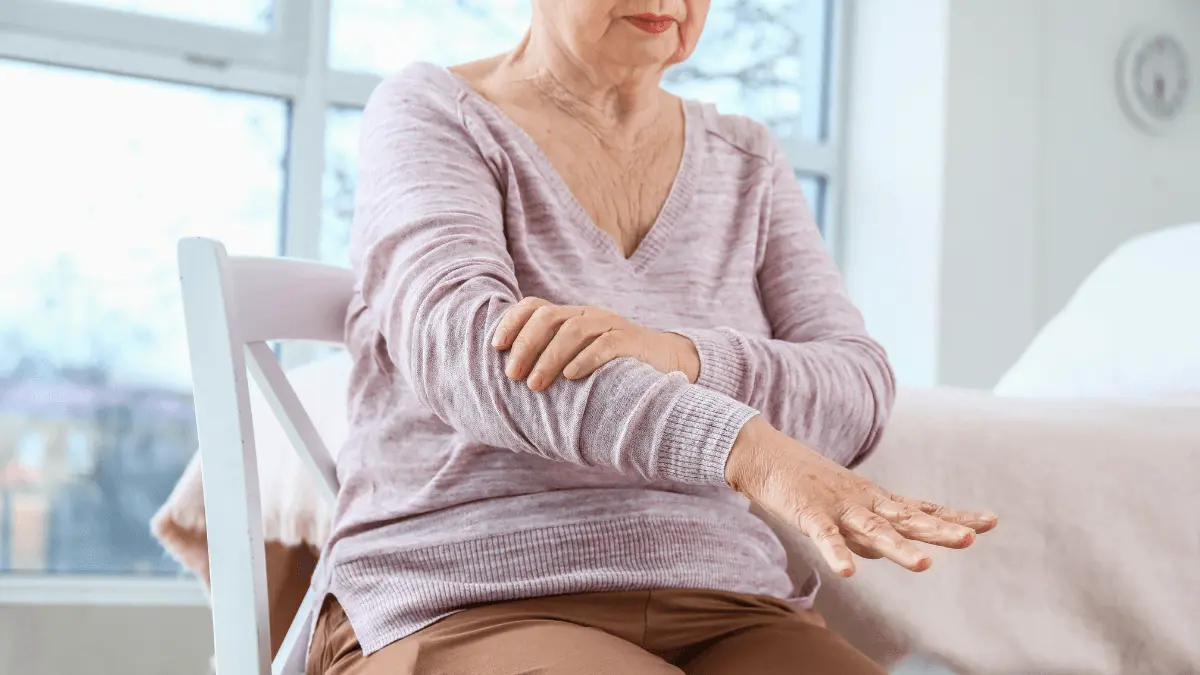
Her daughter Soraia Giafferis, 60, takes care of her mother with care and admiration: “My mother has always been active and loving. When she stopped walking, her emotional state was greatly affected. Seeing that woman who did everything with such joy, now dependent, impacted all of us.”
The first signs of the disease were subtle: a slight tremor in the hands and difficulty with coordination. Initially, the hope that traditional treatment would restore her autonomy was strong. But over time, physical limitations, sadness, and depression set in. Until, at the suggestion of her son-in-law Sálvio do Prado, the family discovered cannabidiol oil, and everything began to change.
“With just a short time using medical cannabis, the tremors stopped, her speech improved, and her salivation did too. But what touched us the most was the return of her good humor. That means a lot to us,” Soraia shares. With no resistance from the family, the treatment was well received from the start. Today, in addition to cannabidiol oil, Dona Leny undergoes alternating sessions of physiotherapy and speech therapy, care that, according to the family, has maintained her quality of life and lucidity.
Parkinson's from a Clinical Perspective
According to Dr. Gabriela Mânica, a geriatrician, the use of medical cannabis in the treatment of Parkinson's has shown promising results, especially for the non-motor symptoms that directly affect patients' quality of life.
“In my clinical practice, I observe that cannabis can offer significant benefits, especially when used as a complementary treatment. Among the main effects, I highlight improvements in sleep, muscle rigidity, bradykinesia, and, in many cases, even tremors. Additionally, we can reduce the use of medications like benzodiazepines, which is very positive for the elderly,” she states.

The specialist emphasizes that cannabidiol (CBD) is usually the most commonly used initially, but tetrahydrocannabinol (THC) can also be indicated, especially for motor symptoms. As for doses and adjustments, they are based on each patient's clinical profile. “The choice is made individually, considering age, symptoms, medications in use, and psychiatric history,” she explains.
Among the contraindications, Gabriela mentions cases of severe arrhythmias, a history of schizophrenia, or situations where proper monitoring cannot be ensured. For her, the path for medical cannabis to be more structurally adopted in the management of Parkinson's still depends on robust clinical studies, better regulation, and adequate training for healthcare professionals.
“Many doctors still do not feel secure prescribing it, and many patients do not have access. When we overcome these barriers, I believe that cannabis can occupy an important space as part of a more integral and humanized care approach. The goal is not just to prescribe cannabis, but to integrate this resource within a broader, safe care framework focused on quality of life,” the doctor points out.
World Parkinson's Day: Time to Pay More Attention to Our Loved Ones
Celebrated on April 11, World Parkinson's Awareness Day is an invitation to listen and observe closely. The condition, which affects the central nervous system and compromises motor coordination and cognitive functions, is often diagnosed late, precisely because the first symptoms may seem mild or “natural” with aging.
In Brazil, it is estimated that around 200,000 people live with Parkinson's disease. The prevalence of the disease increases with age, being more common among those over 60 years old. Studies indicate that the incidence is higher in white men, peaking between 70 and 79 years old.
In addition to motor symptoms, such as tremors and rigidity, about 30% of patients also develop dementia associated with the disease, significantly impacting the quality of life of patients and their caregivers.
For Soraia, the date is a reminder to observe our parents, grandparents, and uncles with more care and attention. "Often, the signs are there, but we do not notice. Moreover, it is essential to open our minds to alternatives like cannabis, which has been helping us so much. Allow yourself to try a treatment with this medicinal and sacred herb of nature. My mother's improvement speaks for itself,” she concludes.
Watch the video: