Traditional healers cannot prescribe cannabis in South Africa, regulatory body reinforces
Political representatives of health and public safety in South Africa point to an increase in illegal offers and misuse of licenses in accessing medicinal cannabis

Published on 02/06/2026

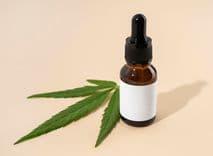
Misuse of licenses leads to new alert about cannabis in South Africa | CanvaPro
The South African Health Products Regulatory Authority (SAHPRA) reiterated that the prescription and sale of cannabis by traditional healers remain prohibited in the country, even when associated with traditional medicine, in light of the increase in irregular offers and misuse of licenses.
According to the website Canamo, the warning was issued in conjunction with the South African Police Service (SAPS) after identifying a growing number of alleged "dispensaries," online platforms, and social media profiles offering cannabis flowers and derivatives as if they were part of a regulated system. Some of these initiatives improperly use the Traditional Health Practitioners Act as a legal basis for commercial activity.
Illegal sales and misuse of licenses
According to SAHPRA, South African legislation does not authorize the commercialization of cannabis under the pretext of traditional medicine. The agency clarifies that licenses granted for specific activities, such as cultivation or exportation, cannot be used to justify direct sales to the public.
Learn More
Medicinal cannabis in Brazil: regulate to care, not to restrict
Anvisa incorporates rules from RDC 327 into Portaria 344 and officializes veterinary prescription of cannabis
According to the website Canamo, a notice issued by the regulatory authority in 2025 pointed out cases of establishments displaying valid licenses as if they were authorizations for retail sales, even in shopping centers. SAHPRA reinforces that any license, when existing, must be used strictly within its legal scope.
Regulation and prescription in Brazil
The impasse occurs at a time when South Africa seeks to define the role of traditional medicine within the formal health system. In 2024, the Regulation of Traditional Health Practitioners was published for public consultation, aiming to establish minimum criteria for the registration and practice of these professionals.
The prescription of cannabis-based products in Brazil follows specific rules defined by the National Health Surveillance Agency (Anvisa) and will be governed, starting May 4, 2026, by the Resolution of the Collegiate Board (RDC) No. 1,015/2026, which replaces the old RDC No. 327/2019. According to the new regulation, medicinal cannabis can only be prescribed by legally qualified professionals, such as doctors and dentists, within their areas of practice, always with a medical prescription that must contain detailed information about the patient, the product, the dosage, and the duration of treatment. The prescription is individualized and based on clinical evaluation, generally indicated when other therapeutic alternatives have already been used or are deemed inadequate.
RDC 1.015 maintains a strict sanitary control model: only industrialized products authorized by Anvisa can be prescribed, ensuring quality, safety, and traceability. These products are not classified as traditional medicines but as cannabis products for medicinal use, which implies specific rules for prescription, dispensing, and monitoring. The regulation also reinforces the obligation of an informed consent form, in which the patient declares awareness of the potential risks and benefits of the treatment, as well as continuous monitoring of adverse effects.
In parallel, Brazil has other access routes to medicinal cannabis, such as RDC No. 660, which allows for the exceptional importation of cannabis-based products for personal use, upon prescription by doctors or dentists and authorization from Anvisa. There is also access through patient associations, which operate with specific authorizations, mainly of a judicial nature, for the production and supply of cannabis derivatives to their members.
Additionally, Anvisa has already authorized the operation of compounding pharmacies as a potential new access route, which still awaits the definition of specific rules for its implementation.
With information from Cañamo.Net.