UFV Project transforms 14 cannabis seeds into over 4,000 seedlings
Project developed at the Federal University of Viçosa could revolutionize the international market with large-scale cultivation technology

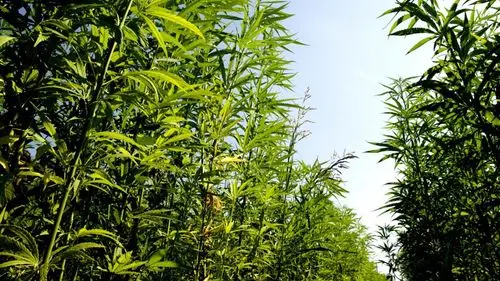
With a large-scale cannabis cultivation method, researchers at the Federal University of Viçosa (UFV) transformed, in just four months, 14 initial seeds into over 4,000 hemp seedlings – a variety of marijuana with less than 0.3% tetrahydrocannabinol (THC).
The innovation has already resulted in a patent application and has the potential for export to major markets such as China, the United States, Canada, and the European Union.
In the project, researchers use the technique of Cuttings, a method of vegetative reproduction in plants, where new plants are obtained from vegetative parts (branches, roots, or leaves) of the original plant. "This is a way to produce seedlings in large quantities and of good quality," explains Gustavo Baêsso, a forest engineer and researcher at UFV.
According to the researcher, the mini-cutting technique was chosen, which through successive clonings generated the first mini-garden of cannabis clones in Brazil.
Investment in innovation
Started in February 2024, the project received a total investment of R$ 932,000, with values adjusted for inflation. The initiative is the result of collaboration between Embrapii (Brazilian Company for Industrial Research and Innovation), the startup Buds INC, also based in Viçosa, and has the support of Sebrae.
“Embrapii's mission is to promote innovation in industry, whatever it may be. With this, we want to strengthen and make the national industry more competitive,” explains Álvaro Prata, president of Embrapii.
Strengthening the industry and sustainable innovation
For Marcelo de Souza e Silva, president of the Deliberative Council of Sebrae Minas, the initiative also boosts the business environment for smaller companies, "creating a favorable environment for technological development and greater competitiveness of small businesses”.
In addition to the innovative cannabis cultivation method at UFV, the Embrapii Unit has also made progress in managing and utilizing production waste. The by-products are being used in the development of prototypes for industrial applications including cellulose, biochar, and sustainable construction materials such as hempcrete (brick made from hemp fibers).
With information from Embrapii