UNESP inaugurates nucleus for research and cultivation of cannabis in a 5.5-hectare area
NuDeCann will have modular expansion in three phases until 2028, focusing on science, health, and sustainability

On September 12, the São Paulo State University (UNESP) and the Ministry of Agrarian Development (MDA) signed a memorandum of understanding to implement the Cannabis Development Nucleus (NuDeCann). The project, based in Ilha Solteira (SP), aims to establish a research hub to advance the production and application of the potential of cannabis.
The technical-scientific cooperation aims not only at research but also at improving the quality of life of patients and promoting sustainability. The Minister of Agrarian Development, Paulo Teixeira, highlighted that the initiative puts UNESP in Ilha Solteira in a leading position in the national scenario.
“We are signing an agreement with Unesp to build a pharmaceutical industry based on cannabis, which has a very strong production worldwide. Science is increasingly discovering the role of cannabis in health,” Teixeira stated during the event.
NuDeCann will be located on a 5.5-hectare site, currently used by the Brazilian Association of Cannabis Researchers and Patients (ABRAPPAC). The structure will be modular, allowing for quick and scalable assembly to expand cultivation areas over three phases, spread over three years.
The project will be developed in three phases. The first, the longest, will last 12 weeks and will concentrate the largest volume of investments. In the following year, the second phase foresees the implementation of facilities for startups and the construction of new greenhouses. Starting from the third year, the focus will shift to the continuous expansion of cultivation areas.
The financial management of resources, which may come from governmental, private, or other entities, will be the responsibility of the UNESP Foundation. The total investment planned for the first three years is R$ 19,745,916.00.
National technology for the cannabis production chain
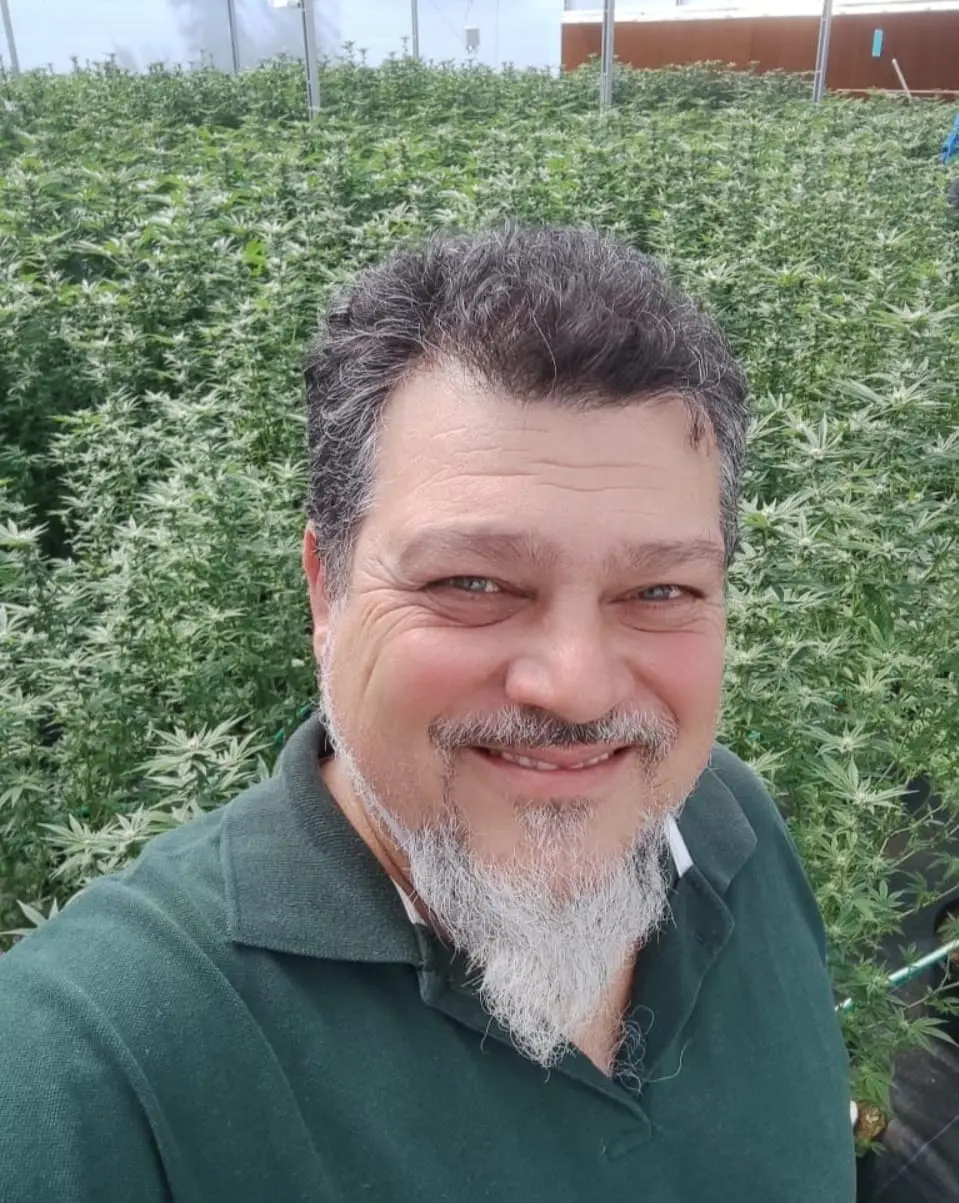
One of the pillars of NuDeCann is the development of a 100% Brazilian production chain, from plant genetics to extract distribution. The general coordinator of the nucleus, Prof. Dr. Marcos Chiquitelli Neto, explains that the initial work focuses on research and process standardization.
“We need to develop national technology, not only for planting and genetics, but for all processes: from cultivation to harvesting, drying, storage, and strain identification,” details Chiquitelli.
For this, NuDeCann will operate in a network, leveraging the existing infrastructure at the university, such as the Center for Studies of Venoms and Venomous Animals of UNESP (CEVAP), the first multi-purpose factory of bio-pharmaceuticals for clinical research in Latin America. "In this initial phase, we will produce and dry the flower here and send it to CEVAP, where they will start the extraction studies of each cannabinoid,” explains the coordinator.
In addition to the scientific front, the project has a strong social aspect, aiming to be an "association incubator". The goal is to provide technical support and inputs for organizations to safely and standardizedly serve their patients, democratizing access.
The personal journey behind the nucleus
The creation of the nucleus is linked to the personal history of its coordinator. A cannabis user since youth, the professor faced prejudices even within the academic environment. After much struggle, in 2022, Chiquitelli founded ABRAPPAC and began to build a network of researchers interested in the topic. "The NuDeCann proposal arose from this feeling, that we should unite minority groups, family farming, associations, the university, and the government," he states.
Thus, the project was designed to link landless movement settlers (MST), associations, regulatory bodies, and the multidisciplinarity of UNESP. The movement culminated in the creation of the UNESP Cannabis Network (Reunicam), which now formalizes the work of dozens of researchers. "The network already has 54 professors and over 70 postgraduate students working on the topic," concludes the coordinator.