US state rejects proposal to increase THC limit for hemp
Legislators decide to maintain the legal limits of the cannabis compound, triggering a debate on plant regulation

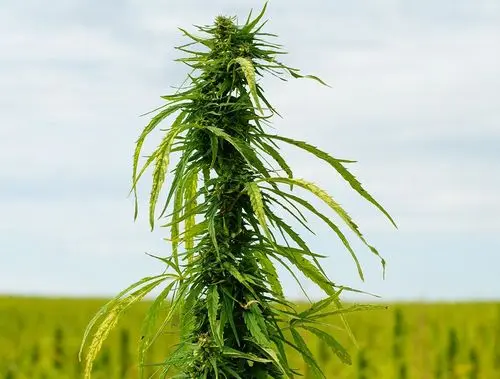
Legislators in Virginia (USA) made a significant decision by rejecting House Bill 1485 (HB 1485), which aimed to increase the legal limit of Tetrahydrocannabinol (THC) in industrial hemp plants to 1.0%. This measure, proposed by the chamber's agriculture and natural resources committee, faced intense debate before being discarded.
The proposal sought to grant an increase in the psychoactive compound limit of cannabis specifically for industrial hemp crops, intended for fiber and grain production. However, the provision did not extend to the plant's flowers, which are known to produce CBD and other cannabinoids.
The motivation behind this move was to alleviate farmers' concerns about so-called "hot crops," which exceed the legal THC limit of 0.3%. Hemp industry advocates argued that an increase to 1.0% could stimulate research and development of specialized varieties, offering more options to farmers and reducing the risk of crop losses due to current regulations.
However, the strict interpretation of federal law, which sets the THC limit at 0.3%, posed a significant obstacle. Implementing a state law that contradicts this federal standard could result in legal and regulatory conflicts.
One of the most notable features of the rejected proposal was the exclusion of hemp flowers from the THC limit increase. This reflects widespread concerns about the potential effects of highly concentrated delta-8 THC and other cannabinoids, which have been associated with health risks, including reports of fatalities.
The death of a child in Virginia in 2022, attributed to delta-8 THC consumption, underscored the urgency of regulating hemp-derived products. This tragedy heavily influenced the legislators' stance, considering the risks to public health when making their decision.
Agriculture committee members expressed additional concerns about the negative impact an increase in the THC limit could have on the medical cannabis industry.
Although the proposal also aimed to streamline licensing requirements for farmers, processors, and traders, its rejection indicates that there is still a long way to go to achieve balanced and effective regulation of the hemp industry in Virginia.
The hemp industry has faced significant challenges. While the number of producers and processors has grown, harvest rates have been inconsistent, with only a fraction of planted areas resulting in successful harvests in recent years. This highlights the need for measures that encourage sustainable and stable growth of the hemp industry in the state.
The rejection of the proposal to increase the THC limit for hemp in Virginia reflects a delicate balance between economic, public health, and regulatory interests. Finding a solution that meets all these needs will continue to be a challenge for legislators and stakeholders in the future.
With information from Hemp Today