USP Study Reveals Effects Against Depression and Neuropathy
Research from USP with an animal model reveals that cannabidiol (CBD) can simultaneously alleviate neuropathic pain and symptoms of depression, showing itself as a promising therapeutic alternative to traditional medications

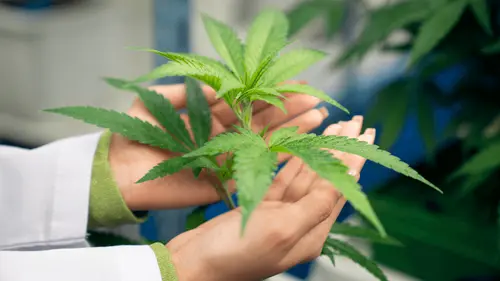
Cannabidiol (CBD), a compound extracted from cannabis, has been shown to be effective in simultaneously relieving neuropathic pain and depression, at least in an animal model. That's what the study says, conducted by a team of researchers from USP in Ribeirão Preto and published in the Neuroscience and Behavioral Physiology journal, which compared the effects of CBD to fluoxetine, a widely used medication in depression treatment.
The difference caught attention: while fluoxetine acted exclusively on depressive symptoms, CBD showed a dual action, with antidepressant and analgesic effects, especially at higher doses. A combination that, according to researcher Priscila Medeiros de Freitas, may represent a new chapter in the history of integrated treatments.
When a Medicine Treats More Than One Pain
The idea that a single molecule can take care of both body and mind at the same time seems almost utopian. But that's what CBD is showing. “Conventional treatments often treat pain and affective disorders in a dissociated way, which requires the concomitant use of multiple drugs. This increases the risk of adverse effects, drug interactions, and reduces therapeutic adherence,” explains Priscila, a researcher at the Faculty of Philosophy, Sciences, and Letters of USP.
For those living with chronic pain and depression, two conditions that mutually feed each other, the discovery of a compound that acts in an integrated manner represents more than a scientific advancement. It is an invitation to hope.
Dosage and Challenge: The Path to Humans
In experiments carried out with rats that suffered sciatic nerve injury, researchers observed that the highest dose of CBD (30 mg/kg) was the one that presented the most consistent analgesic effects. Fluoxetine, on the other hand, maintained its efficacy only in depressive symptoms.
Treatment is Not a Piece of Cake
In times of quick solutions, it is important to emphasize that personalized and integrated medicine requires caution. “It's not about replacing existing treatments, but adding. CBD can represent another possibility within the pharmacological arsenal, especially for those who do not respond well to traditional medications or suffer from their side effects,” points out the researcher.
One of the most valuable contributions of the study was the choice of an animal model that simulates real and complex conditions, such as neuropathy combined with depression. The multidimensional approach included tests that measure from pain response to behavioral symptoms related to depression and anhedonia, the loss of the ability to feel pleasure.
What's Missing for CBD to Reach the Public Health System?

Despite the enthusiasm surrounding cannabidiol, the path to its inclusion in SUS protocols still depends on important pillars: more clinical studies, national production, and perhaps the most difficult, a change in mentality.
“I believe that one of the key points is the strengthening of well-structured and representative clinical trials, especially in conditions prevalent in the public system,” says Priscila.
The researcher also advocates for the training of healthcare professionals and investment in public education. “It is necessary to inform based on scientific evidence and sensitivity. Only then can we break down barriers and stigmas that still surround cannabis derivatives”.
At the end of the interview, Priscila reinforces that CBD is not a magic formula, but a powerful tool, with promising effects beyond numbers and graphs. Her work, alongside other researchers from USP, is a reminder that science can, and should, listen to the pain of others in all its forms. “We seek answers that make sense to those who suffer. And when we find something that can alleviate both physical and emotional pain, we know we are on the right path,” she concludes.
Read Also:
Medicinal Cannabis: Alternative for Depression and Anxiety Treatment
Cannabis Helps Patient with Severe Depression
Cannabidiol (CBD) as a Promising Ally Against Depression, Anxiety, and Insomnia