What is cannabis wax? Guide explains composition, production, and differences between concentrates
A concentrate known for its high cannabinoid concentration, cannabis wax combines different extraction methods, textures, and compositions

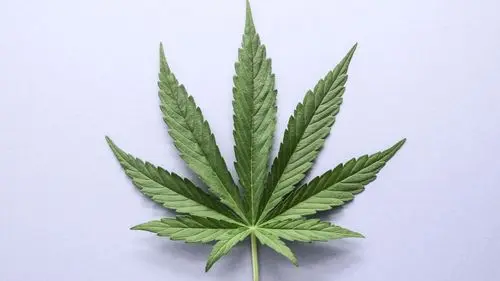
From dried flower to concentrates, cannabis features various forms of consumption and presentation. Among them, cannabis wax, also known internationally as wax, draws attention due to its high concentration of cannabinoids and its characteristic texture, which can vary from creamy, sticky, or brittle.
According to the website El Planteo, this type of extract concentrates compounds such as THC, CBD, and other cannabinoids in a much smaller amount of plant material compared to dried flower, resulting in a significantly more potent product.
Although often associated with butane extractions, wax does not represent a specific production method, but rather the final appearance of the concentrate.
What is cannabis wax?
According to El Planteo, cannabis wax is a semi-solid extract obtained from concentrating the main compounds present in the plant, such as cannabinoids and terpenes.
Its consistency resembles a thick wax or a dense butter, but it can vary depending on the raw material used and the manufacturing process. Some versions feature an aerated and pliable texture, while others are drier or more brittle.
This diversity means that the term "wax" is mainly related to the physical appearance of the concentrate rather than the technique used to produce it.
Are wax and BHO the same thing?
One of the most frequent questions about cannabis concentrates involves the difference between wax and BHO (Butane Hash Oil).
According to El Planteo, the terms are not synonymous.
BHO identifies an extraction method that uses butane to separate cannabinoids and terpenes from the plant material. Wax, on the other hand, describes the final texture of the extract.
In practice, much of the wax available on the market can be produced through butane extraction, but not every extraction of this type necessarily results in a wax.
In addition to butane, the industry also uses solvents such as ethanol and carbon dioxide (CO₂), which can yield different types of extracts with distinct characteristics.
What does cannabis wax contain?
The composition of wax varies according to the plant strain, the state of the raw material, and the extraction method used.
According to the website, the concentrate can combine compounds such as:
- THC;
- THCA;
- CBD;
- CBDA;
- Terpenes;
- Lipids;
- Plant waxes.
Therefore, the term "wax" does not, on its own, indicate the chemical profile or potency of the product.
Like shatter, rosin, kief, hash, and live resin, wax belongs to the category of cannabis extracts, differing mainly in its final consistency.
How is cannabis wax produced?
As El Planteo explains, wax is not naturally produced by the plant.
Obtaining it depends on an industrial process that concentrates the compounds present in cannabis.
Broadly speaking, plant material passes through an extraction system where solvents—typically butane or propane—remove cannabinoids and terpenes.
Next, the extract is processed to eliminate or recover the solvent used.
During this step, the mixture can be stirred or whipped, favoring changes in the structure of the material and encouraging the formation of small THCA crystals. This process gives the concentrate its opaque, thick, and malleable appearance.
Depending on the technique used, the result can be another type of concentrate, such as shatter, known for its glassy appearance.
Why does production require precautions?
According to El Planteo, home production using butane or propane poses a significant risk due to the high flammability of these solvents.
For this reason, commercial manufacturing takes place in closed-loop systems, with specialized equipment, adequate ventilation, and trained operators to minimize the risks of fire, explosions, and accidents.
In addition to operational safety, regulated markets usually require laboratory testing to check for the presence of:
- residual solvents;
- pesticides;
- heavy metals;
- microorganisms;
- mycotoxins;
- other chemical and microbiological contaminants.
According to the website, these controls help ensure product quality and safety before it reaches the consumer.
Source: content originally published by El Planteo.