Why seniors are rediscovering cannabis
The search for relief from chronic pain and sleep disorders reveals a cultural and therapeutic shift among the elderly

Published on 08/08/2025
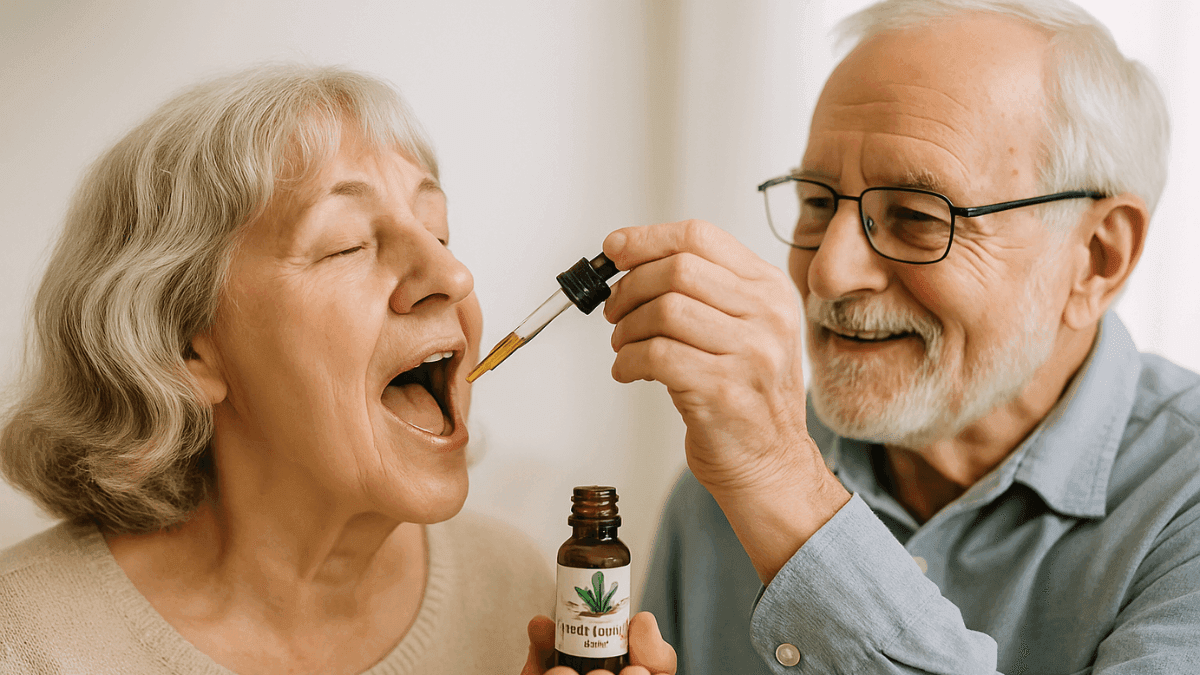
In the United States, cannabis use among seniors grew by 46% in two years | AI Reproduction
A new generation of seniors is beginning to write their own story with cannabis in the United States, this time not with stigmas or fears, but with the curiosity of those who, after so many battles, simply wish to live more comfortably, autonomously, and with quality.
A study released in June 2025 by the Center for Drug Use and HIV/HCV Research (CDUHR) at New York University revealed that 7% of Americans over 65 years old used cannabis in the last month. This represents a 46% jump compared to 2021. In the age group over 50, the numbers are also impressive: 21% said they had used THC products at least once in the last year, according to a survey by the University of Michigan.
Pain that doesn't have a set time to arrive
For many of these seniors, cannabis is not an escape, but a reunion. A reunion with better nights of sleep, with a less painful body, with the possibility of a lighter daily life. “There is a growing interest in the use of cannabis to treat symptoms and chronic conditions,” explains Benjamin Han, geriatrician and specialist in addiction medicine at the University of California, San Diego.
According to him, what leads so many patients to cannabis are pains that conventional medicine could not silence and sleepless nights that pills did not solve. “They find relief in something that previously seemed to be only taboo,” Han tells Cannabis Business Times.
Less taboo, more listening
The industry, attentive, is beginning to understand that aging does not mean stagnation. Campaigns like I’m High Right Now, designed especially for the 55+ audience, and products developed to meet the specific needs of seniors, such as the Senior Moments line from Bristol Extracts, show that the market is beginning to reinvent itself.
Celebrities like Whoopi Goldberg and Tommy Chong have made their voices available for this cause, using their own journeys as a way to destigmatize the therapeutic use of the plant. Still, not the entire sector has understood the potential of this movement.
“If the sector does not pay attention to this group, it will be making a strategic mistake,” warns Cameron Clarke, CEO of Sunderstorm. He criticizes the insistence of many dispensaries on targeting only the young and regular public, ignoring older consumers, who may not buy frequently, but buy with purpose.
Information as care
Krissy Bernazani, clinical director of the Verano dispensary network, believes that the key is in welcoming. To do this, she promotes educational sessions aimed exclusively at the elderly, explaining risks, benefits, and less invasive ways of use. “We suggest low-dose edibles that fit lightly into their daily routines. Many are afraid of ‘getting high’ and our role is to show that well-being has nothing to do with losing control,” she says.
In this context, cannabis becomes a bridge. A bridge between what was once forbidden and what can now be relief. Between the prejudice of a youth marked by repression and the freedom to age with less pain and more dignity.
With information from Canamo.Net.
Learn More
Find out why cannabis use by seniors has grown by 46% in two years
When seniors find cannabis: relief from pain and insomnia in search of lighter days