Accidental THC ingestion by children can lead to loss of parental power, lawyers explain
Carelessness with cannabis derivatives can result in charges of negligence, omission, and even drug trafficking

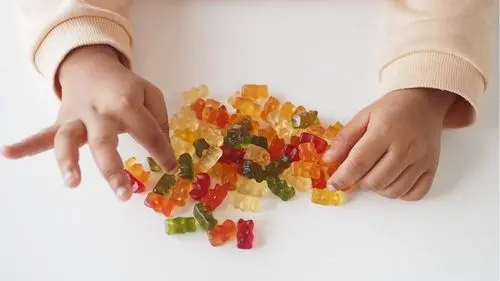
With colorful packaging and sweet flavors, tetrahydrocannabinol (THC)-based edibles such as candies, gummies, and chocolates may seem harmless to children, increasing the risk of accidental consumption and intoxication. Unfortunately, accidental THC ingestion by children is real and on the rise.
According to a recent survey by the JustAnswer platform, questions about this type of accident increased by 218% between 2022 and 2024.
This increase is partly related to the popularization of cannabis derivatives, especially in countries with more permissive regulations. In Brazil, although the medicinal use of cannabis is expanding, THC products remain highly controlled. Their presence in households with children can have significant medical and legal implications.
To understand the possible legal consequences of accidental THC ingestion by children, the portal spoke with lawyers Cynthia Argolo (criminal lawyer, postgraduate student in Criminal Law and Criminology at PUC) and Saulo José Anciutti Pires (jurist and postgraduate student in Public Law and Contemporary Law at Esmafe). They jointly answered the most frequent questions from parents and guardians.
Is it mandatory for guardians to inform health services that the product ingested by the child contained THC?
Yes, it is mandatory. Regardless of the product's legality, parents or guardians have the ethical, medical, and legal duty to report exactly what was ingested. Omitting this information can constitute crimes such as failure to provide assistance, and in more serious cases, false information or intentional negligence, especially if the omission is deliberate.
What can happen to guardians if a child accidentally ingests a THC product at home?
It will depend on the circumstances. If negligence in storage is proven, guardians may be held accountable for negligence, exposing a minor to risk (ECA), or even for crimes under the Penal Code, such as endangering life or health. In extreme cases, there may be a suspension of parental power (an extreme measure where parents are deprived of their rights and duties regarding minor children, including custody, education, and decision-making about the child's life).
Is there a difference in accountability if the THC product is authorized for medicinal use or recreational use?
Yes, and it is a significant difference. If the product has a medical prescription and is authorized by the National Health Surveillance Agency (Anvisa) or by a regulated association, there is a legal basis. However, this does not exempt parents from the responsibility to store it securely.
On the other hand, in recreational use, which is illegal in Brazil, the consequences are more severe and may involve drug trafficking charges, depending on the case.
In situations like this, should the Guardianship Council be contacted? Can the Juvenile Court also get involved?
Yes. Hospitals usually contact the Guardianship Council in any situation involving risk to children. The Juvenile Court may get involved if there are indications of rights violations. The Public Prosecutor's Office can also take protective measures.
What kind of legal guidance would you give to families with THC products at home, especially with children?
First, have legal support: prescription, Anvisa authorization, or preventive habeas corpus.
Second, store it like a controlled medication: in a locked cabinet, out of reach of children. Avoid attractive-looking edibles. Keep all product documentation. And in case of accidental ingestion, go to the hospital immediately and never lie about what happened.
What does the law say?
If guardians are investigated, articles of the Penal Code, the Child and Adolescent Statute (ECA), and the Civil Code may be applied:
Possible criminal liability:
Art. 132 – Endangering the life or health of others
Art. 133 – Abandonment of an incapable person
Art. 243, ECA – Supplying narcotics to a minor
Art. 13, §2, Penal Code – Improper omission
Civil liability:
Art. 1,638, Civil Code – Loss or suspension of parental power
For healthcare professionals:
Art. 135 – Failure to provide assistance
Art. 299 – False information, if data is intentionally concealed