Acid Cannabinoids: the chemistry that reveals the integrity of cannabis
Brazilian study reveals the role of acid cannabinoids as markers of freshness, quality, and authenticity of cannabis, and proposes a review of forensic protocols used in the country

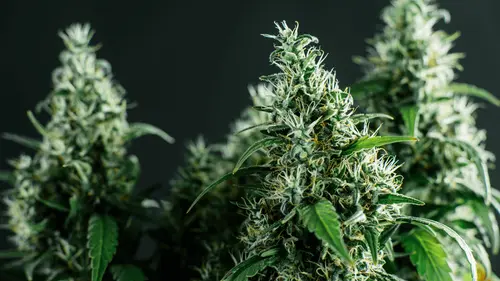
A group of Brazilian researchers proposed a thorough review of the official forensic analysis methods of cannabis, highlighting an element that has been neglected until now: acid cannabinoids.
The study, published in Revista Contemporânea, indicates that compounds like THCA, CBDA, and CBGA not only help measure the quality and freshness of the plant but also function as reliable markers in criminal investigations and in the quality control of medicinal products.
According to the authors, the Standard Operating Procedure (SOP) used by forensic laboratories in Brazil has significant gaps: it does not adequately distinguish between acid and neutral cannabinoids, ignores visual chromatography standards, and relies on highly toxic and low-polarity solvents, compromising the precise separation of compounds.
Read Also:
CBG and CBG-A: exploring the therapeutic potential of cannabis's “mother cannabinoids”
Semi-synthetic Cannabinoids: new perspectives for the regulation of industrial hemp in Brazil
As a solution, the article proposes the adoption of more modern protocols, such as Alpha-CAT - a well-being tool inspired by the medical uses of cannabis, already used in European countries, which incorporates color codes, retention values (Rf), and standardized visual patterns.
Freshness and authenticity markers
Acid cannabinoids are the original forms produced by the plant, before undergoing decarboxylation, a chemical process that, when induced by heat, transforms THCA into THC and CBDA into CBD.
The presence of these compounds, therefore, indicates that the sample has been well stored, without prolonged exposure to sunlight or heat, making them excellent indicators of plant integrity.
In the analyses presented, the researchers observed that samples of pressed cannabis, commonly originating from Paraguay, showed a total absence of acid cannabinoids, a clear sign of degradation and low quality.
On the other hand, medicinal samples, cultivated under good harvesting and storage practices, maintained high levels of these compounds, proving the value of acid cannabinoids as indicators of freshness and purity.
From the bench to regulatory impact
The research reinforces the need to update the Brazilian SOP, bringing the country closer to international practices in forensic chemistry and pharmacognosy. The recognition of acid cannabinoids as quality markers can influence everything from the sanitary control of medicinal products to the differentiation between medical cannabis and degraded samples from the illicit market.