Advancement of THC: US Congress decision threatens health
Lawmakers attempt to ban hemp derivatives due to a lack of technical knowledge. Understand how the advancement of regulated THC protects patients. Read more!

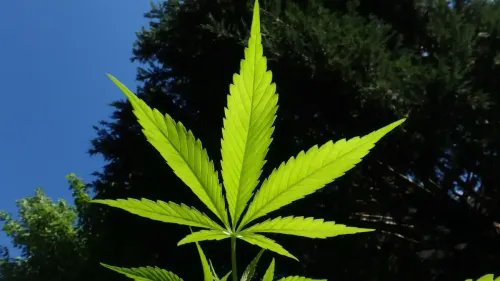
Welcoming health means understanding the most delicate nuances of human-plant nature. When we follow the advancement of thc (1) in modern medicine, we don't just see molecules or percentages on labels.
We see lives recreating their routines, relief regained, and hope blossoming where there was once only pain.
However, in the cold halls of political decision-making, a lack of empathy and technical ignorance threaten to close doors that science took years to open.
We must slow down the hammer of prohibition and understand that caring requires light, dialogue, and regulation—never the silence of ignorance.
In this article you will see:
The disconnect between science and the Legislative Branch
How the advancement of THC impacts the endocannabinoid system
The urgency to regulate and inspect instead of ban
The Disconnect Between Laws and Cannabis Science
The political and regulatory landscape surrounding cannabis is experiencing high tension in legislative circles.
Entrepreneur Inesa Ponomariovaite, founder of Nesa’s Hemp, shared her experience speaking with lawmakers in Washington on MJBizDaily.
The report reveals that a large portion of lawmakers do not understand the advancement of thc (2) in the health and wellness sector.
When trying to defend an industry valued at $28 billion, the activist ran into a wall of misinformation.
Proposed federal restrictions aim to drastically limit the advancement of thc (3) in finished hemp products.
This regulatory cap threatens to remove cosmetics, topical balms, and full-spectrum oils from the market.
Many politicians view the advancement of thc (4) solely through the lens of recreational intoxication.
However, science shows that the compound plays vital therapeutic roles in the human body.
Closing the doors to the advancement of thc (5) for medicinal use reflects the lack of an in-depth technical debate within the government.
READ MORE: How cannabinoid dosage influences chronic pain treatment
How the Body Works and the Advancement of THC in Hemp
One of the most concerning points was the lawmakers' lack of familiarity with human biology.
Senators admitted they were unfamiliar with the endocannabinoid system and its network of essential receptors.
This network regulates crucial functions such as sleep, immune response, and pain perception.
CB1 Receptors: Present in the central nervous system, they modulate pain when activated by cannabinoids.
CB2 Receptors: Act in the immune system, reducing severe inflammation.
Entourage Effect: The synergy of the plant's compounds enhances therapeutic relief.
"Representatives have a duty to understand the issue before voting to dismantle businesses," Inesa Ponomariovaite told MJBizDaily.
Ignoring the advancement of thc (6) in creating safe treatments is a grave conceptual mistake.
Non-intoxicating wellness products are being labeled under the same stigma as harmful compounds.
Medical cannabis for the elderly has shown positive results in neurodegenerative conditions.
Blocking the advancement of therapeutic thc (7) directly affects the quality of life of thousands of families.
READ MORE: Understand the difference between Isolate and Full-Spectrum products
The Urgency of Regulating to Protect the Patient
Blind prohibition pushes consumers into the informal and unprotected market.
Instead of banning, the government should monitor labeling, dosages, and manufacturing processes.
Access to cannabis oil must be accompanied by clear guidelines based on scientific evidence.
Quality Assurance: Laboratory tests confirm the absence of heavy metals and contaminants.
Accurate Labeling: Provides exact cannabinoid concentrations for patient safety.
Access Control: Prevents inappropriate sales to minors without blocking therapeutic adult use.
The 2018 Farm Bill allowed the advancement of regulated thc (8) in research involving hemp derivatives.
Changing the rules without a technical basis creates economic instability and undermines ongoing treatments.
Congress must listen to doctors and researchers to understand the advancement of thc (9) in medicine.
Banning a legal industry penalizes legitimate producers and denies the right to health for those in need.
Regulation is the only path to ensure legal certainty and support the advancement of thc (10) as a therapeutic tool.
Bibliographic References
PONOMARIOVAITE, Inesa. Congress barely understands hemp THC. Lawmakers should learn and regulate – not ban. MJBizDaily, 2026. Available at:
https://mjbizdaily.com/news/congress-barely-understands-hemp-thc-lawmakers-should-learn-and-regulate-not-ban/617298/ RUSSO, Ethan B. Taming THC: potential cannabis synergy and phytocannabinoid-terpenoid entourage effects. British Journal of Pharmacology, 2011.
NATIONAL ACADEMIES OF SCIENCES, ENGINEERING, AND MEDICINE. The Health Effects of Cannabis and Cannabinoids: The Current State of Evidence and Recommendations for Research. Washington, DC: The National Academies Press, 2017.
Content reviewed by Sechat Newsroom and authored by journalist Carol Alencar.