Anvisa may vote on rules for national cultivation and control of cannabis this Wednesday (13)
Change may authorize cultivation by companies under strict control, with a limit of 0.3% THC; measure complies with a decision from the Superior Court of Justice (STJ) related to cultivation regulation.

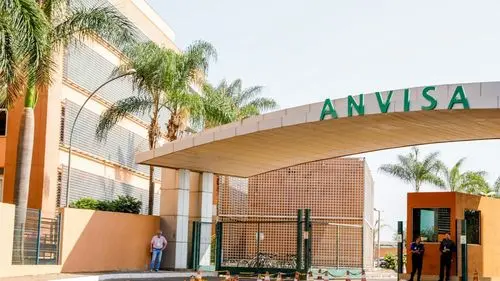
The National Health Surveillance Agency (Anvisa) may decide this Wednesday (13), during the 12th meeting of the Collegiate Board of Directors (Dicol), on new rules for the cultivation and control of cannabis with low tetrahydrocannabinol (THC), the substance responsible for the plant's psychoactive effect.
The draft proposal updates Ordinance SVS/MS No. 344, of May 12, 1998, which lists substances and plants under special control in Brazil. Currently, all Cannabis sativa L. is in List E, which prohibits cultivation. Through the change, varieties with up to 0.3% THC would move to List C1, allowing cultivation under strict control conditions.
According to Anvisa, the measure complies with a decision from the Superior Court of Justice (STJ) related to the Government's Action Plan. The rapporteur is Director Daniel Pereira, who may, however, remove the topic, present in item 2.8, from the agenda at the beginning of the meeting.
How would cultivation work
If approved, the regulation will allow cultivation only by companies with Special Authorization (AE) granted by Anvisa. Even those already authorized for other activities will need to meet the new requirements to plant low-THC cannabis.
With the authorization, companies will be able to produce seeds and seedlings for multiplication, propagation, or planting, exclusively destined for other authorized companies. Supply for purposes not involving multiplication or planting will be restricted to legal entities with AE to manufacture pharmaceutical inputs.
The entire process will need to be documented and accompanied by periodic laboratory analyses to measure the THC content. Plants that exceed the 0.3% limit will need to be isolated and destroyed, with actions recorded to prevent deviations.
Origin of plants and foreign trade
The proposal authorizes the import and export of low-THC cannabis, provided that the company has AE and follows RDCs No. 81/2008 and No. 659/2022. The process will not be allowed through luggage, express shipment, or mail.
Cultivation can only start with seeds, seedlings, or plants that demonstrably produce low-THC cannabis - the document does not detail how this verification will be done.
Obligations and other laws involved
Companies will need to submit quarterly and annual balances on production and inventory, as well as comply with rules for transportation, trade, and disposal.
Compliance with this regulation does not replace other requirements, such as:
- Good Manufacturing Practices (Normative Instruction No. 130/2022);
- World Health Organization Guide on the processing of medicinal plants;
- National Program for Traceability of Agrochemical Products (MAPA Ordinance No. 805/2025);
- Applicable environmental, agricultural, and livestock standards.
Safety rules
Cultivation sites will need to meet rigorous security standards, including:
- Electronic access control system with 24/7 image recording, stored for five years;
- Prohibition of displaying any identification revealing cultivation;
- Restricted entry to previously authorized individuals;
- Constant monitoring to prevent deviations or unauthorized access;
- Compliance with level