Anvisa regulation for cannabis cultivation in Brazil comes into force today
Anvisa's regulation on hemp cultivation in Brazil comes into force today. Check THC limits and compliance deadlines. Click to learn more!

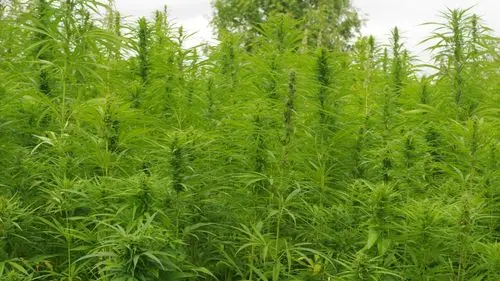
The regulation of the Agência Nacional de Vigilância Sanitária (Anvisa) that establishes official rules for hemp cultivation (Cannabis sativa L. with a THC content less than or equal to 0.3%) intended exclusively for medicinal and research purposes in Brazil comes into force today. The measure complies with the decision of the Superior Tribunal de Justiça (STJ) in the Incident of Assumption of Competence (IAC 16).
In this article, you will see:
What changes with Anvisa's new rule
Who can request Special Authorization (AE) for cultivation
Rules for importation, traceability, and transport
Deadlines and compliance for previous court decisions
What does the new hemp cultivation rule determine?
The regulation sets the normative framework for the production of the plant in the country, defining the maximum limit of 0.3% THC (measured w/w in dry inflorescences) for inclusion under the simplified model.
Authorized companies and institutions will be able to import genetic materials, cultivate, conduct research, store, and supply plant material for the manufacture of pharmaceutical inputs, medicines, and regulated medicinal products.
[LEARN MORE: Understand the difference between industrial hemp and medicinal Cannabis]
How does the Special Authorization for Cannabis cultivation work?
To carry out the activity, the establishment must obtain a Special Authorization (AE) issued by Anvisa, which explicitly covers cultivation activity.
Granting requires submitting technical documentation to the local health authority, including:
Georeferenced geographical coordinates of the cultivation area
Photographic records and detailed dimensions of the facilities
Production estimate per hectare and square meter
Proof of origin of propagation material
Organizational chart and control and monitoring plan
Cultivations with THC content above 0.3% for research purposes remain subject to specific rules with higher sanitary control.
Traceability, THC control, and transport
The rule imposes strict enforcement mechanisms. Each batch of plant drug produced must undergo laboratory analysis in-house or at an accredited laboratory within the Reblas network to verify compliance with the 0.3% THC limit.
What happens in case of non-compliance?
Plants that exceed the allowed THC limit must be segregated and destroyed. The establishment has up to 48 hours to notify the local health authority and initiate an investigation into the deviation.
Transport rules
The transport of plant material requires a specific Special Authorization and must be conducted in sealed, identified packaging containing batch, quantity, and information on both sender and recipient establishments.
[LEARN MORE: Check the list of Cannabis products authorized for sale in Brazil]
Compliance deadlines and export
The directive also allows cultivation aimed at exporting plant material, provided the requirements for demonstrating commercial intent are met.
For establishments already cultivating under court rulings, Anvisa has set a deadline until August 5, 2027 for full compliance with technical requirements and obtaining the Special Authorization.
References and Sources
Agência Nacional de Vigilância Sanitária (Anvisa). Resolução da Diretoria Colegiada - RDC nº 1.013, de 30 de janeiro de 2026. Diário Oficial da União.
Superior Tribunal de Justiça (STJ). Recurso Especial nº 2024250/PR (Incidente de Assunção de Competência 16).