Argentinian study indicates CBD may enhance antibiotics against resistant bacteria
CONICET study suggests that cannabidiol (CBD) may enhance the action of antibiotics in combating resistant bacteria in laboratory tests

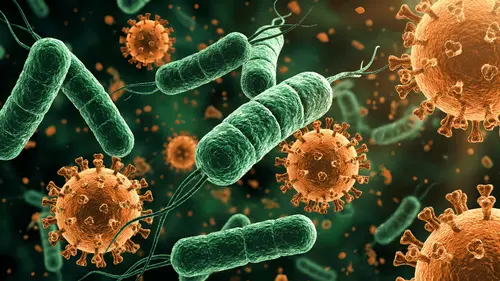
Argentinian researchers have proposed a therapeutic approach that combines a cannabis compound with a last-resort antibiotic to combat bacteria that no longer respond to traditional treatments.
According to the CONICET website, experts from the National Scientific and Technical Research Council, together with the National University of Hurlingham (UNAHUR), demonstrated in laboratory tests that the association between cannabidiol (CBD) and the antibiotic colistin was able to eliminate multi-resistant gram-negative bacteria, considered one of the main global public health threats.
Bacterial resistance: a global challenge
Infections caused by bacteria that do not respond to conventional antibiotics are already responsible for over 700,000 deaths per year worldwide and, according to experts, could surpass other causes of death if new solutions are not found.
Multi-resistant gram-negative bacteria such as Klebsiella pneumoniae, Escherichia coli, Pseudomonas aeruginosa, and Acinetobacter baumannii have developed mechanisms to escape the action of multiple drugs, making it difficult to treat severe infections in the lungs, blood, urinary tract, and surgical wounds.
In clinical practice, antibiotics like polymyxins, including colistin, are considered the last line of defense, but the effectiveness of these drugs has decreased with routine use and the emergence of resistant strains, in addition to being associated with significant side effects such as nephrotoxicity (kidney damage) and neurotoxicity (effects on the nervous system).
CBD and colistin: synergy against superbugs
Researchers led by Paulo Maffía, from the UNAHUR Biotechnology Institute, tested the combination of cannabidiol and colistin against clinical isolates of colistin-resistant bacteria. In in vitro studies, which take place in a laboratory environment, outside living organisms, the duo showed synergistic antimicrobial activity, demonstrating that the joint action of the two compounds was more effective than each separately against these resistant bacteria.
Learn More - Can I use cannabis while taking antibiotics? What does science say
The tests also showed that this combination was bactericidal, meaning it eliminated the microorganisms, and demonstrated efficacy against bacterial biofilms, protective structures that make infections even more difficult to treat with traditional antibiotics.
To better understand how this association works, scientists conducted analyses with nuclear magnetic resonance, which indicated a strong molecular interaction between CBD and colistin, suggesting a possible new mechanism of action capable of overcoming the defenses of multi-resistant bacteria.
Furthermore, the researchers highlighted that the presence of CBD could allow for the use of lower doses of colistin, which could reduce the adverse effects associated with the drug without compromising its effectiveness in combating infections.
Despite promising results in the laboratory, the team emphasizes that additional preclinical and clinical studies are needed to evaluate the safety and efficacy of this combination in patients and for regulatory agencies to consider its approval as a valid therapeutic option.