Associations and Access to Medicinal Cannabis in Brazil
The transformation of the scenario of access to cannabis treatment was promoted by people who understood the struggle of patients

Patient associations of cannabis are part of the history of access to medicinal cannabis in Brazil. In a scenario where the State is still insufficient to meet the growing demand, associations emerged in a period marked by the absence of adequate laws and regulations, as well as the lack of political support in the face of prejudice towards the plant and ignorance of its therapeutic potential. Movements led by mothers, motivated by the search for effective treatments for their children, were decisive for the development of access to medicinal cannabis in the country through associations.
It is also worth noting that these entities emerged in response to the difficulty of accessing these medications, which were practically nonexistent in the country at that time, with the mission of ensuring that patients with various medical conditions can enter cannabinoid therapies.
The origin of cannabis associations in Brazil
The associative movement began to strengthen after the regulation of the National Health Surveillance Agency (Anvisa), with RDC 17/2015, which allowed the importation of cannabis oils. However, the high cost of these imported products at the time created a barrier for many patients. In reaction, associations such as the Brazilian Association of Support Abrace Esperança (Abrace) and the Association of Support for Research and Patients of Cannabis (Apepi) emerged to fill this gap, fighting for the right to cultivate and produce cannabis oil in the country. These organizations have expanded significantly, benefiting thousands of patients who would not have the financial means to import the medications.
The social and legal impact of associations
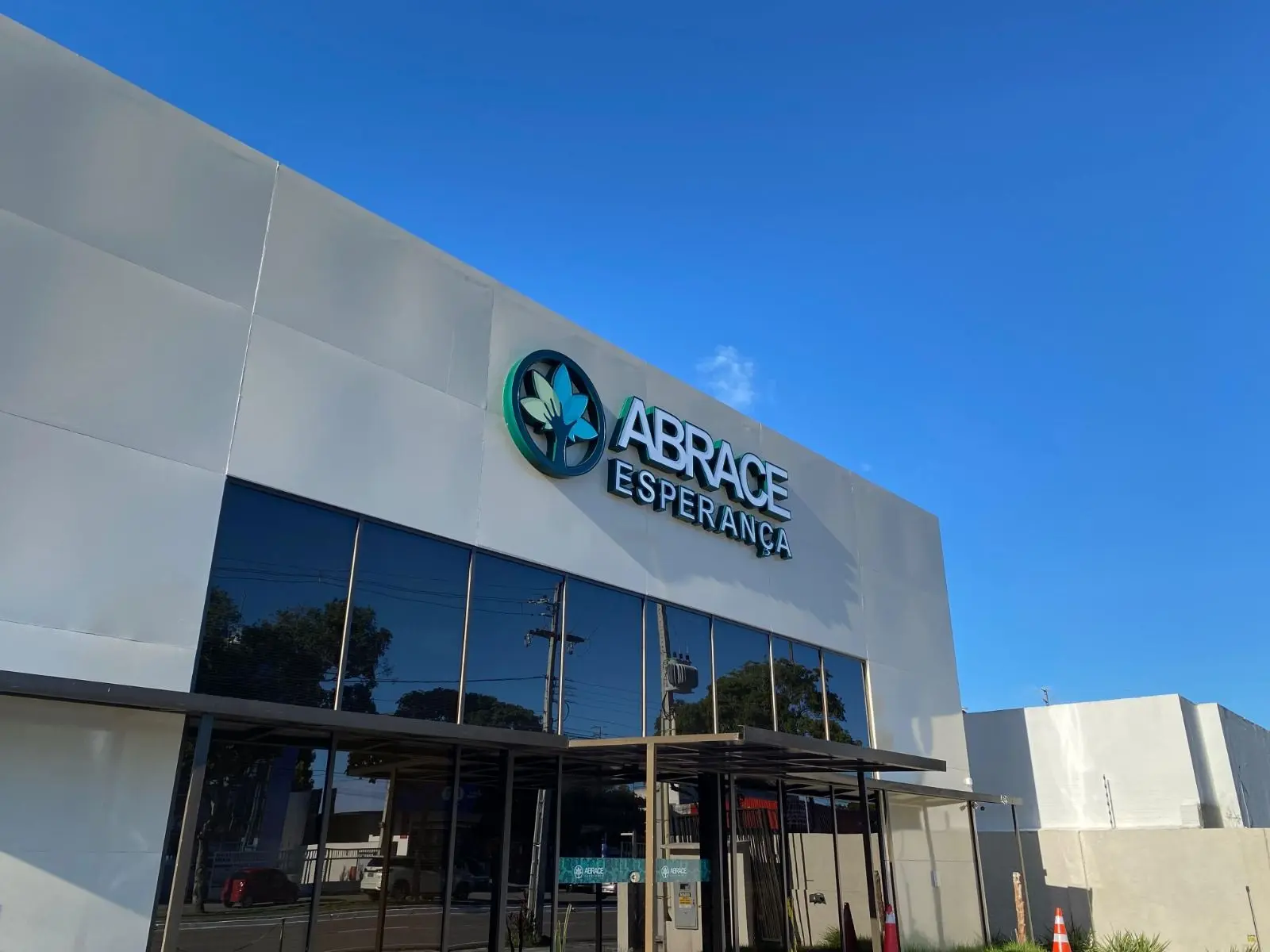
Associations have been essential in expanding the debate on the medicinal use of cannabis derivatives, leading to important legal victories, such as the right to cultivate the plant for medicinal purposes. Abrace Esperança, based in Paraíba, was the first to obtain judicial authorization for associative cultivation and distribution of these compounds. Cassiano Gomes, president of the entity, highlights the importance of these achievements:
"Associations are protagonists in the fight for democratic access to medicinal cannabis, always seeking more inclusive regulations." Gomes condemns, however, that the path associations paved for access to medicinal cannabis has been taken over by large pharmaceutical corporations.
"These companies, often interested in profiting from the sale of expensive and dubious quality medications, are the only ones able to participate in public tenders created to supply products to the States. Although associations were the pioneers in building this movement, they are excluded from the laws they helped pass because they do not have the necessary capital or the required structure to participate in bidding processes. This creates a paradox where the market is dominated by Big Pharma."
Apepi was founded in 2014 by Margarete Brito and Marcos Langenbach after seeking cannabis treatment for their daughter, Sofia. From this experience, the couple expanded the initiative to help other families, promoting the medicinal use of cannabis and offering products such as CBD oils, CBG, and THC, with proven efficacy. The association also organizes courses and events on cannabis, in addition to disseminating scientific materials. Since its inception, the institution has faced legal challenges, including civil disobedience, to ensure access to cannabis treatment in Brazil, Margarete explains:
"Over the years, Apepi has achieved important legal advances. In 2016, we obtained the first personal Habeas Corpus that allowed cannabis cultivation for medicinal purposes and, in 2020, an injunction for cultivation and research. In 2022, a new ruling reaffirmed the right to provide cannabis oils to members. Despite these victories, the full regulation of cannabis cultivation and production in Brazil is still a pending goal, preventing many patients from accessing treatment."
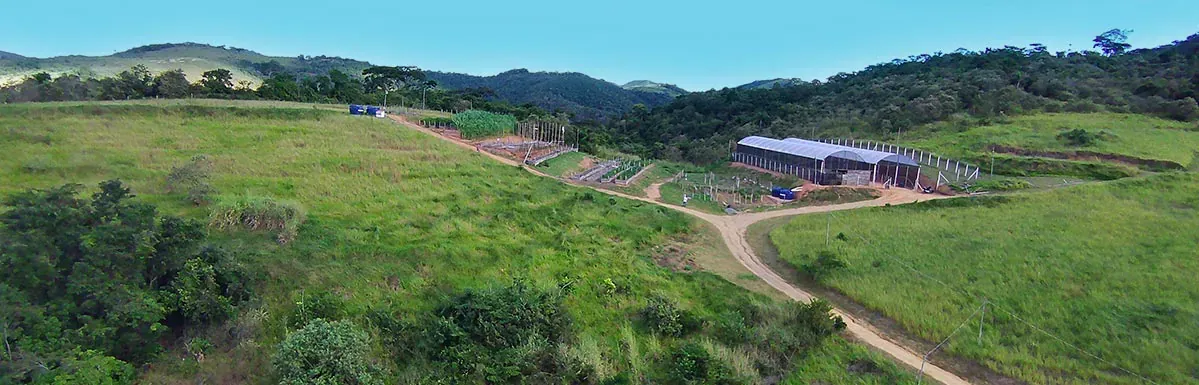
In addition to its political activism, Apepi stands out in scientific advancement. Fazenda Sofia Langenbach, one of the largest producers of medicinal cannabis in Brazil, partners with research institutions and develops new treatments, including oils rich in CBG, a cannabinoid with various therapeutic applications. The association has also been the subject of documentaries and reports that help raise awareness of the benefits of medicinal cannabis in the country.
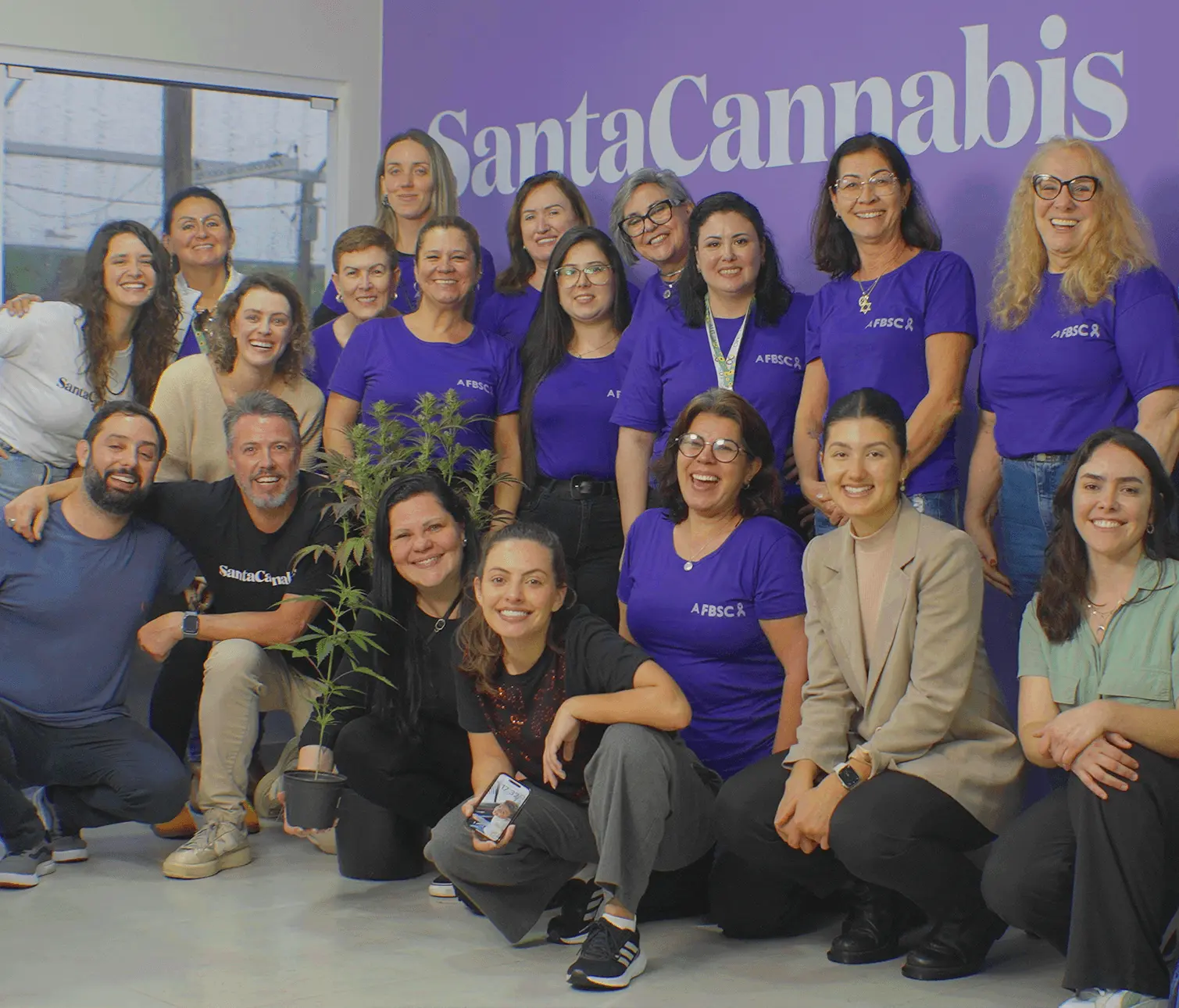
In the south of the country, Santa Cannabis also obtained the right to cultivate the plant and provide oil at reduced prices. Pedro Sabaciauskis, president of the association, states that "associations emerged in response to the lack of access and the inefficiency of the State in meeting the health needs of the population." These entities also engage in research and education, collaborating with educational institutions and promoting studies on the therapeutic benefits of cannabinoids.
"The big surprise in the work of associations was that empirically, without money, without structure, and without support from federal institutions, they bravely and at the risk of being arrested, did what governments were supposed to do, and incredibly, treated and treat thousands of people, receiving recognition from civil society, doctors, universities, the press, research institutes, and especially the judiciary", Sabaciauskis affirms.
The activist also recalls that it was the associations that initiated the debate on the medicinal use of the plant, providing true and factual information to public hearings and the entire civil society.
"These non-profit institutions are proving, in practice and with the help of universities, that the treatment is for many more diseases than just those recognized by the Federal Council of Medicine (CFM), and it is through them that access to medications is cheap and often free," he emphasized.
Challenges and growth of associations
Despite the victories, associations face significant challenges. The lack of clear regulations for cultivation and resistance from conservative sectors are constant obstacles. In addition, many of these entities face financial difficulties to maintain their operations, depending on donations and contributions from members. Nevertheless, the number of associations in Brazil continues to grow.
According to the Federation of Therapeutic Cannabis Associations (FACT), there are currently more than 150 entities spread throughout the country, serving around 90,000 patients. Associations such as Cultive, Accura, AbraRio, Ama+me, Curando Ivo, Maria Flor, and Flor da Vida play equally important roles, expanding access to cannabis treatments and promoting awareness of the therapeutic benefits of the plant.
Inspiring Stories: The Case of Catarina Guerra
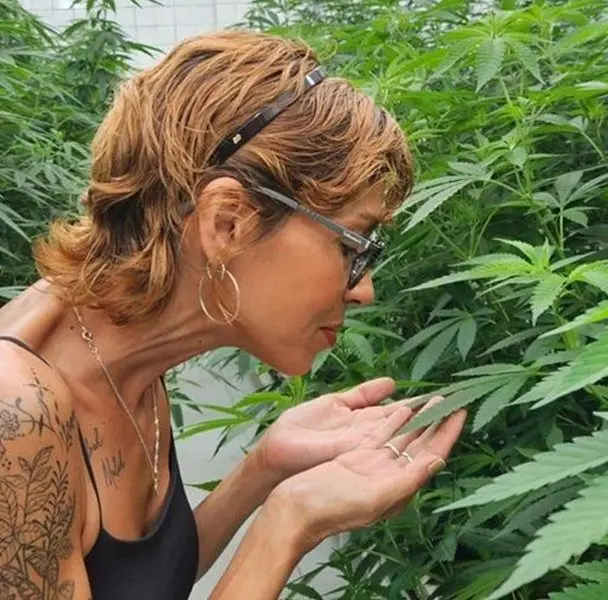
Among the many stories that illustrate the impact of these associations is that of Catarina Guerra, diagnosed with breast cancer in 2019 and later with bone metastasis. After undergoing surgeries and intense chemotherapy sessions, Catarina sought relief from the side effects of treatment through cannabis.
Today, with the support of Abrace, she uses oils and other cannabis derivatives to control pain and improve her quality of life. "Vaporizing the plant has been essential in controlling my pain," says Catarina, who continues her fight against the disease with the help of this treatment.
The Future of Associations and the Judicialization of Access
The judicialization of access to medicinal cannabis in Brazil is still a central theme for many of these associations. In addition to providing treatment, these entities constantly fight for clearer and more inclusive regulations. The social impact of these organizations is undeniable, not only in health but also in the economy, with the generation of direct and indirect jobs.
"Every day we see more and more people litigating against the State to ensure the supply of cannabis oil via the Unified Health System (SUS), which is important to pressure the judiciary to do something about the scenario, but in the long run, only burdens the public budget," reinforces the president of Santa Cannabis, Pedro Sabaciauskis.
He points out that, in estimated values, imports of cannabis-based products can easily exceed R$ 3 billion per year, but would not reach R$ 800 million if the decision opted for domestically produced medicine.
For Pedro Pierro, a neurosurgeon and pioneer in prescribing cannabis medications for medicinal purposes, associations play a decisive role not only in legal matters but also in educating and supporting patients and families:
"Their mission goes beyond providing only cannabis oil, also seeking to guide and empower society about their rights. With continuous growth and the addition of more patients, the future of cannabis associations in Brazil seems promising, but still depends on greater political and judicial articulation to ensure access to treatment equitably and sustainably."