Benefits of Hemp: How Planting Between Crops Transforms the Soil
Discover the benefits of hemp in circular farming: soil recovery, pest control, and carbon sequestration between agricultural crops

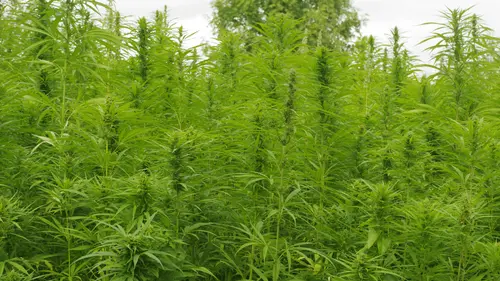
In times of degraded soil and environmental pressures, hemp emerges as a strategic ally in agriculture. Cultivated between crops, it returns nutrients, protects the soil, and reduces the use of chemical pesticides, demonstrating that the benefits of hemp go far beyond industrial and medicinal production. Discover how this plant can transform agricultural practices and generate environmental and economic gains.
What is Circular Farming and Why Does It Matter
Circular farming, also known as crop rotation or intercropping, involves planting auxiliary crops between a main crop and another. The goal is to protect the soil, prevent erosion, maintain fertility, and reduce the use of agrochemicals.
Planting hemp during this period is a smart strategy that promotes sustainability and prepares the ground for the next crop.
Hemp has deep roots that aerate the soil and improve its structure, as well as help reduce compaction. Its residues, such as stems and leaves, act as natural mulch, protecting the soil from erosion and helping to retain water.
International research and studies presented on the Sechat Portal show that hemp also plays a role in bioremediation, removing heavy metals and recovering degraded areas.
Read More - Discover the revolutionary potential of hemp, one of the most versatile plants on the planet
Benefits of Hemp in Natural Pest Control
Planting hemp between crops contributes to natural pest control: many pests do not find a host in the plant, reducing pressure on the following crop. This means less use of herbicides and pesticides, as well as greater balance in the agricultural ecosystem.
Learn More - Hemp in the Off-Season: The Plant's Potential as a Cover Crop
Hemp is highly efficient in carbon capture, capable of absorbing between 8 and 15 tons of CO₂ per hectare per year. In Brazil, large-scale cultivation could sequester about 1.1 million tons of CO₂ per harvest, while also requiring less water and reducing the use of chemical pesticides, thus decreasing the agricultural environmental footprint.
In addition to regenerating the soil, hemp brings financial opportunities. The national CBD market is expected to grow by 500% by 2030, with potential to generate R$ 5.76 billion in revenue and create over 14,000 jobs. For farmers, this means income diversification and more sustainable agricultural practices.
Regulatory and Technological Challenges in Brazil
Despite its potential, hemp cultivation still faces legal challenges, mainly related to THC limits and regulations for industrial and medicinal use. It is essential to invest in local research, adapt seeds to the Brazilian climate, and structure productive chains with access to credit and technology.
The benefits of hemp in circular farming go far beyond simple production: they regenerate the soil, control pests naturally, sequester carbon, and offer real economic opportunities. With proper regulation and technological support, this plant can become a key player in sustainable agriculture in Brazil.