Brazil to Conduct Real-World Study on Medical Cannabis
Real-world study will monitor adult patients undergoing medical cannabis treatment and evaluate quality of life. Learn more:


Brazil will have a real-world evidence study on the use of medical cannabis, developed in partnership between Canabinote and the Associação Pan-Americana Multidisciplinar de Endocanabinologia (APMC). The jointly conducted research will monitor adult patients from the beginning of their treatment, collecting data on quality of life, safety, dosage, adherence, and treatment discontinuation.
According to the institutions, the project aims to build a structured database based on daily clinical practice. The objective is to monitor treatment without interfering with the healthcare professional's clinical management, transforming information gathered during patient follow-up into research data.
Anvisa uses the concept of real-world evidence (RWE) for studies based on data collected under real-life usage conditions. In 2023, the agency published the Good Practice Guide for Real-World Data Studies, offering guidelines for collecting and analyzing information aimed at evaluating the safety and efficacy of medicines.
Study Will Monitor Patients for Up to Six Months
The study will consist of a cohort of patients aged 18 or older who are starting cannabinoid therapy for the first time. Participation will require signing an Informed Consent Form.
Patient follow-up under medical cannabis treatment will last up to six months. During the baseline consultation and monthly thereafter, participants will complete a scientifically validated questionnaire to assess their perceived health-related quality of life. A simplified weekly questionnaire will also be administered to record potential adverse events, dosage used, and treatment adherence.
According to APMC and Canabinote, the study is also set to record which clinical conditions are being treated, the types of products used, prescribed doses, and routes of administration. The aim is to provide an overview of prescription patterns observed among participating professionals.
Research Does Not Interfere with Medical Decisions
The design of the study involving medical cannabis patients is observational. This means the study does not establish a specific therapeutic protocol or dictate which product, dosage, or medical approach should be adopted by the physician.

The initiative intends to monitor treatments already performed in clinical practice and organize data in a standardized manner. For Flávia Vilhena França, CEO of Canabinote, digitalizing this process can mitigate challenges associated with patient follow-up.
"Therapy demands continuous effort from the patient, yet this monitoring is often handled with manual spreadsheets and forms that get lost along the way, preventing doctors from tracking the real progression of the clinical picture. When we move this data to digital platforms, we simplify the doctor's routine and ensure data integrity," said Flávia Vilhena França, CEO of Canabinote, the technology company that developed the platform hosting the study.
The technological infrastructure provided by Canabinote will be used by APMC to monitor participants and coordinate data collection. According to the organizations, the data will be anonymized for analysis.
Data Will Be Collected Longitudinally
Digital monitoring will allow questionnaires to be distributed to participants according to the schedule set out in the research protocol. The strategy aims to gather insights across different stages of treatment rather than relying solely on records kept during in-person visits.
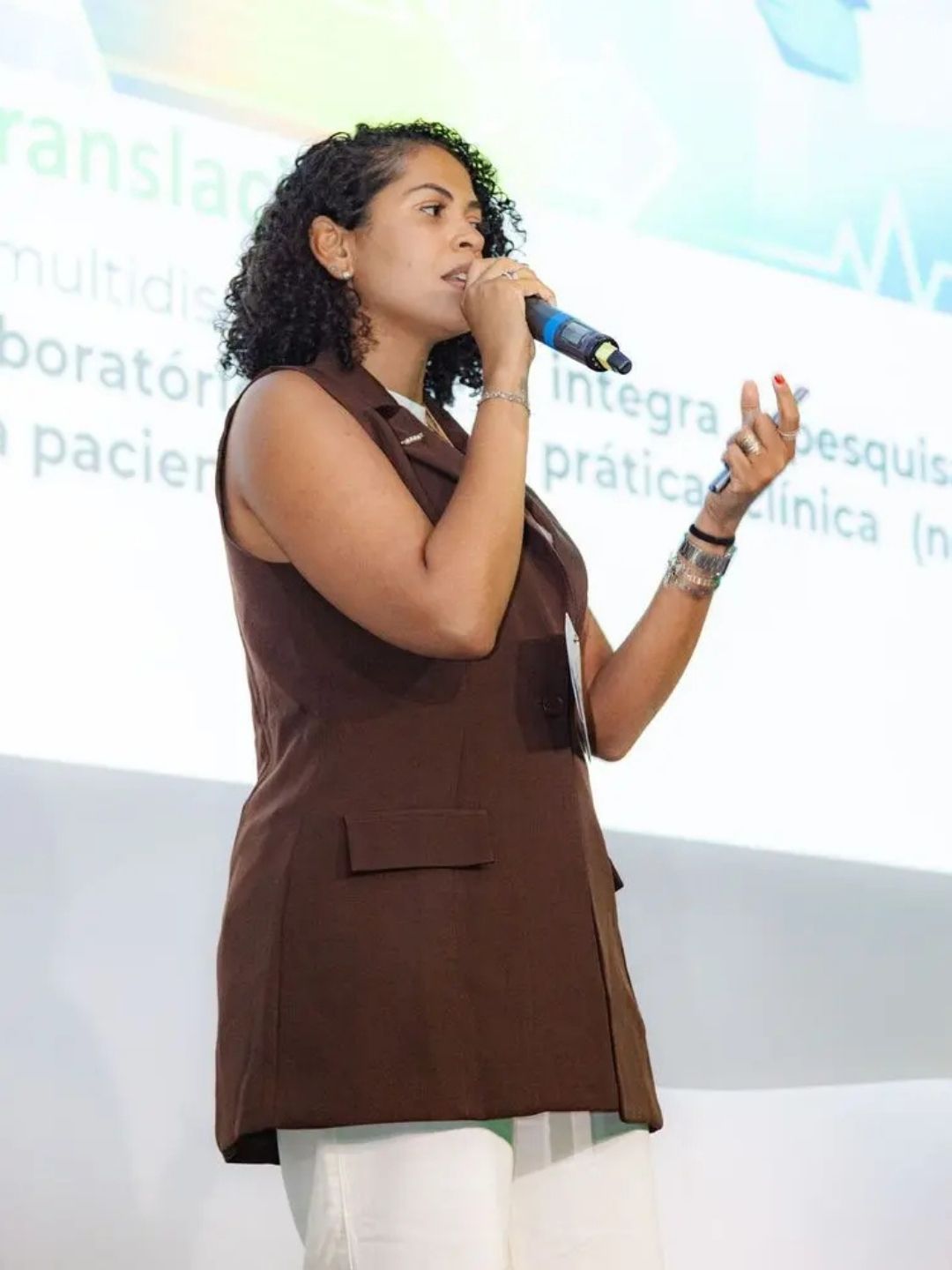
For Luzia Sampaio, who leads the study's medical-scientific strategy, the initial assessment provides a baseline for subsequent evaluations.
"Sending the questionnaire at baseline provides a true scientific snapshot of the patient before starting treatment. From then on, scheduled distributions occur according to the scientific research timeline, allowing us to accurately track the patient's progress rate powered by technology," said Luzia Sampaio, a medical-scientific strategist, pharmacist, and researcher working in evidence-based medicine, cannabinoid science, and real-world evidence.
The study also aims to identify potential adverse events during treatment. The systematic collection of this information could contribute to profiling the safety observed in the monitored population, although findings will depend on the study's execution and the analysis of collected data.
Data Governance and Scientific Analysis
According to the project leaders, the platform will enable standardized, longitudinal, and traceable data collection, offering access to anonymized data for analysis. The protocol is to be submitted for review by a Research Ethics Committee.
The study will also adhere to Brazil's General Data Protection Law (LGPD) and follow Anvisa guidelines for real-world data studies. The regulatory agency maintains a specific good practice guide for this type of research and formed a Working Group on Real-World Evidence in 2024 to address technical and regulatory matters in the field.
Luzia Sampaio notes that the system was engineered to separate data used for scientific analysis from participants' identifying information.
"We designed this tool with scientific rigor and validity, alongside strict data governance. The process is completely anonymous: as a researcher, I know neither who the physician is nor who the patient is," stated Luzia Sampaio.
Study Aims to Evaluate Impact on Quality of Life
In addition to tracking dosages, adherence, dropouts, and potential adverse events, evaluating health-related quality of life during treatment will be one of the study's primary endpoints.
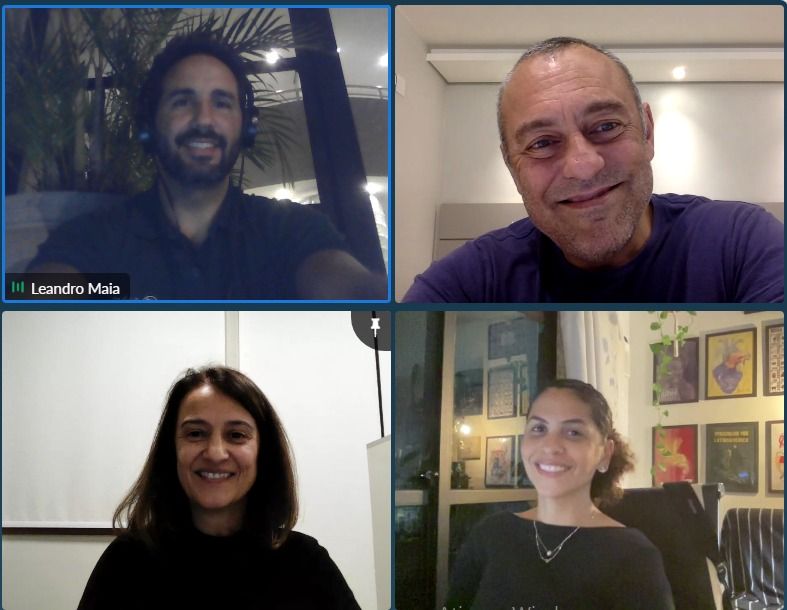
According to Sampaio, the plan is to analyze endocannabinoid medicine practice from the data gathered during patient monitoring, without steering product selection or the physician's clinical judgment.
"The objective of the study is to observe how endocannabinology medicine is contributing—or not—to people's quality of life. It is an unbiased study: it does not influence product choice nor does it interfere with the physician's therapeutic practice. The results will be published in scientific journals to present this real snapshot of the impact of medical cannabis," said Luzia Sampaio.
APMC and Canabinote describe the project as the first Brazilian real-world evidence study focused on cannabis products for medicinal purposes actually prescribed in the country. This distinction is claimed by the organizations leading the project and will need to be compared with the scientific literature and existing research registries as the protocol and its findings are released.
The study has not yet reported clinical results. Conclusions regarding quality of life, safety, adherence, or prescription patterns will depend on the completion of the follow-up period and the analysis of the collected data.
Learn more:
- Sechat content on scientific evidence in medical cannabis
- Content on prescribing and monitoring medical cannabis patients
- Content on clinical research and medical cannabis regulations
External link: Good Practice Guide for Real-World Data Studies — Anvisa