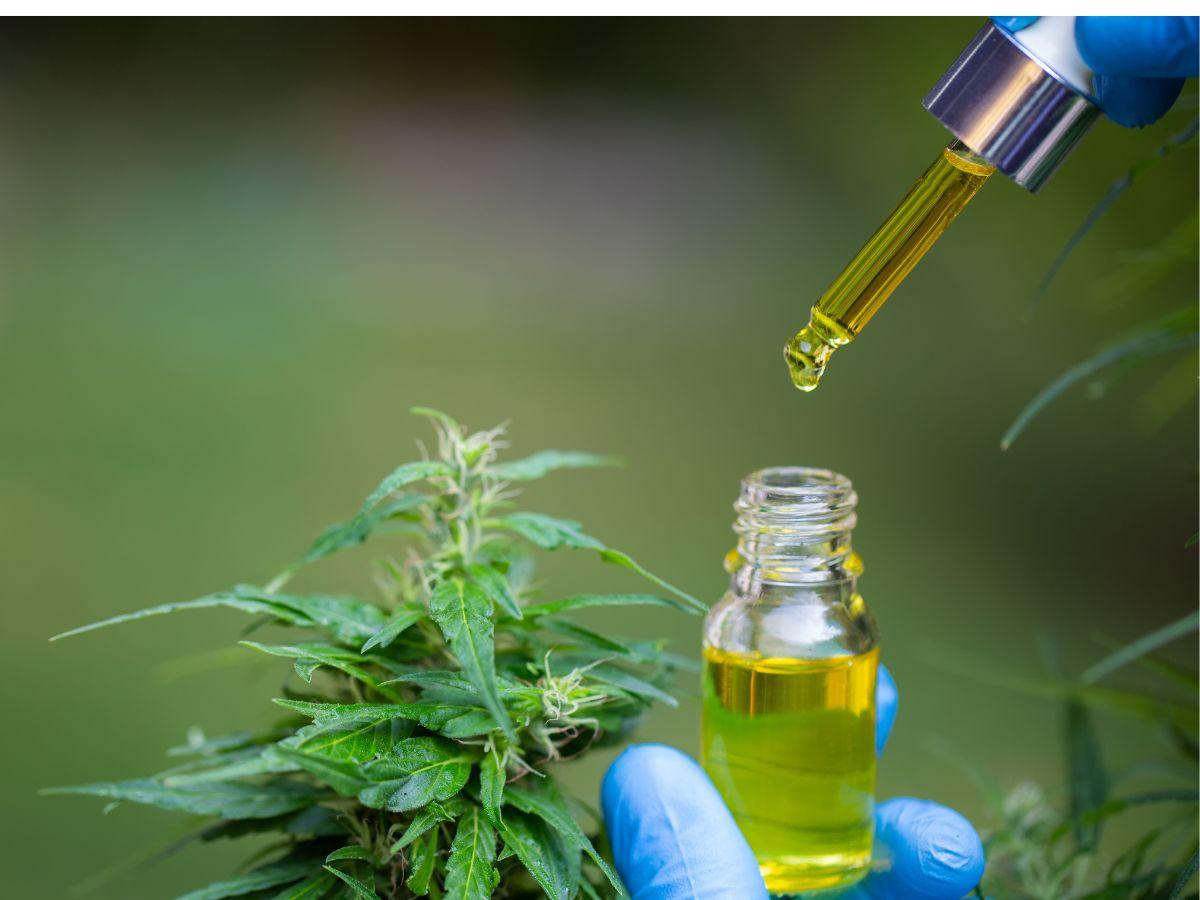
Cannabidiol: potential treatment for anxiety affecting 300 million people worldwide
Studies point to the substance's effectiveness in reducing anxious symptoms, but experts advocate caution and more clinical research

Published on 06/08/2026
Anxiety that tightens the chest, speeds up the heart, and disrupts sleep. According to data from the WHO, around 300 million people worldwide suffer from anxiety disorders. These disorders can manifest in various ways, such as panic attacks, phobias, generalized anxiety disorder, and obsessive-compulsive disorder (OCD). Anxiety can significantly impact quality of life, work performance, and personal relationships. This reality is not always transformed with the use of traditional medications that either do not provide sufficient relief or come with unwanted side effects. In this scenario, cannabidiol (CBD), a substance extracted from Cannabis sativa, emerges as a hope.
A review published in Research, Society and Development analyzed 17 recent studies and pointed out that CBD has anxiolytic potential, helping to reduce fearful behaviors and promote a sense of calm. Moreover, the substance showed a favorable safety profile and low risk of dependence.
Relief without common side effects
According to the authors, CBD acts in areas of the brain associated with anxiety, such as the amygdala and the hippocampus, modulating emotional and inflammatory responses. In some cases, relatively low doses, between 20 and 80 mg per day, have already shown positive results, well below what is seen in traditional protocols.
Another relevant fact is that when administered orally, CBD does not convert to THC, the compound responsible for the psychoactive effects of cannabis, reinforcing its safety.
A path that still requires more certainty
Despite the enthusiasm, researchers point out that there are many unanswered questions: what is the ideal dosage? How long should the treatment be carried out? How does CBD interact with other medications? Additionally, the lack of regulation regarding products available on the market generates insecurity for patients and doctors.
Nevertheless, the review concludes that cannabidiol emerges as a less harmful alternative compared to traditional anxiety medications. But it issues a warning: only the continuity of clinical research can turn this promise into a consolidated treatment.
Learn More
The relevance of cannabinoids in anxiety
Patient receives permission to grow cannabis and treat anxiety