Cannabis Guide: Learn Everything About Delta-8, Delta-9, and CBD
Discover the differences between Delta-8 THC, Delta-9 THC, and CBD in our Cannabis Guide. Understand the benefits and find the ideal path for your health.

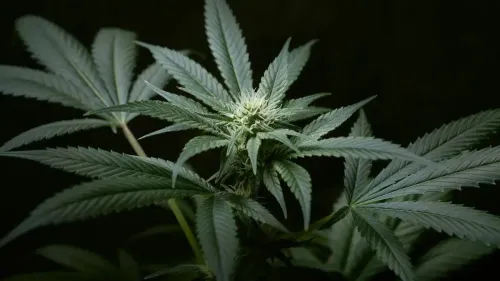
There are days when the body asks for a deep breath and the soul seeks a safe harbor in the busy routine. When we make room for nature's gentle healing, this Cannabis Guide warmly embraces your questions, illuminating paths toward health.
Finding balance is not always a simple journey, but looking at one's own well-being with compassion can transform doubt into hope.
When we allow ourselves to understand how each molecule of this plant interacts with our biology, treatment ceases to be merely a prescription and becomes a daily act of self-care.
With the ongoing advancement of scientific studies and the growing regulation of medical use in Brazil and worldwide, terms such as Cannabidiol (CBD), Delta-9 THC, and the emerging Delta-8 THC have become commonplace in medical offices and family conversations.
Although originating from the same plant species, each of these phytocannabinoids possesses a unique molecular structure and interacts with our body in entirely distinct ways.
In this article you will see:
How the Endocannabinoid System and its receptors work
The therapeutic and non-intoxicating properties of Cannabidiol (CBD)
The clinical indications and potency of classic Delta-9 THC
The smooth and emerging profile of Delta-8 THC
The importance of the Entourage Effect synergy for effective treatments
How the Endocannabinoid System Works in the Cannabis Guide
To clearly understand the nuances between the plant's main compounds, it is essential to first look inside our own biology. The human body houses a complex cell-signaling network called the Endocannabinoid System (ECS).
This system acts as a master biological conductor, responsible for maintaining homeostasis—the ideal internal balance of crucial functions such as sleep, memory, appetite, immune response, and pain regulation.
The ECS is composed of endocannabinoids produced by the body itself, metabolic enzymes, and specific receptors, among which two main types stand out:
CB1 Receptors: Primarily located in the brain and central nervous system, linked to pain perception, mood, and cognition.
CB2 Receptors: Found mainly in immune system cells and peripheral tissues, acting directly on inflammatory processes.
As highlighted in a scientific publication by Harvard Health Publishing: "Plant cannabinoids work by modulating our own body's receptors, acting as biological keys that help regulate stress, inflammation, and chronic pain in a highly effective manner."
Cannabidiol (CBD): The Gentle Foundation in the Cannabis Guide
Cannabidiol, popularly known as CBD, is the most celebrated compound in modern medicine when the goal is to promote health without altering the patient's mental state. Unlike compounds in the THC family, CBD produces no psychoactive or euphoric effects.
Its mechanism of action in the body occurs indirectly. Instead of binding with full force to CB1 or CB2 receptors, it modulates how these receptors respond and prevents the breakdown of anandamide, one of our natural endocannabinoids. This property makes CBD one of the fundamental pillars in the Cannabis Guide for treating various conditions.
The main therapeutic applications of CBD include:
Anxiolytic and Anti-Stress Action: Helps calm the nervous system in cases of generalized anxiety and post-traumatic stress.
Neuroprotective Properties: Helps reduce seizures in refractory epilepsy and provides support in neurodegenerative diseases.
Anti-Inflammatory Effect: Alleviates joint pain, fibromyalgia, and intestinal inflammation.
LEARN MORE: Discover how CBD works in managing anxiety and chronic stress
Delta-9 THC in the Cannabis Guide: Therapeutic Potency
Delta-9-tetrahydrocannabinol is the most abundant and well-known psychoactive cannabinoid in the plant. Historically stigmatized, Delta-9 THC is now widely valued by the medical community for its unparalleled analgesic and stimulating value.
The Delta-9 molecule has a high affinity for CB1 receptors located in the brain.
It is this direct connection that causes changes in sensory perception and euphoria, but it is also the driver of profound therapeutic responses in patients with severe symptoms.
According to data published in the renowned scientific journal The Lancet Neurology: "The medical use of Delta-9 THC demonstrates consistent efficacy in relieving refractory neuropathic pain and controlling severe chemotherapy-induced nausea."
In the clinical context, the most frequent indications for Delta-9 THC include:
Appetite Stimulation: Crucial for patients undergoing cancer treatment or experiencing cachexia.
Muscle Relaxation: Indicated for relieving stiffness and spasms caused by multiple sclerosis.
Natural Pain Relief and Sleep: Helps combat severe insomnia and deep chronic pain.
Delta-8 THC: The Emerging Alternative in the Cannabis Guide
In the most recent research on integrative treatments, Delta-8 THC has been gaining prominence as a fascinating molecule. Chemically very similar to Delta-9, it differs by a small change in the position of a double bond in its carbon chain.
This subtle structural alteration causes Delta-8 to bind to CB1 receptors more mildly. The practical result is a considerably lighter psychotropic effect—estimated at around 50% to 70% of Delta-9's potency—associated with a significantly lower risk of adverse effects such as anxiety or paranoia, as detailed in this Cannabis Guide.
The Journal of Cannabis Research notes in its studies: "Delta-8 THC offers a valuable therapeutic window for patients sensitive to Delta-9, providing relaxation and nausea relief with less cognitive impact."
The main advantages of Delta-8 THC include:
Effective control of nausea and vomiting with prolonged antiemetic action.
Gentle appetite stimulation without inducing episodes of binge eating or anxiety.
Induction of physical relaxation while preserving mental clarity.
The Entourage Effect and Full Power in the Cannabis Guide
While it is essential to understand the individual roles of CBD, Delta-8, and Delta-9, the true power of botanical medicine lies in the union of these elements. This phenomenon of biological cooperation is called the "Entourage Effect" or synergy effect.
When used together with the plant's terpenes (aromatic compounds) and flavonoids, cannabinoids work synergistically.
CBD, for instance, can tone down the psychoactive intensity of Delta-9 THC, reducing the likelihood of tachycardia or mental discomfort, while enhancing its analgesic action.
For this reason, the Cannabis Guide highlights extracts known as Full Spectrum (whole-plant crude extract). They offer a more comprehensive, long-lasting, and safer therapeutic response than synthetically isolated molecules. We hope this Cannabis Guide has provided the clarity needed for you and your physician to make the safest and most supportive decisions for your well-being.
Bibliographic References
HARVARD HEALTH PUBLISHING.
THE LANCET NEUROLOGY.
JOURNAL OF CANNABIS RESEARCH.
NATIONAL INSTITUTES OF HEALTH (NIH).