Cannabis in dermatology: physician explains its action on the skin
Cannabis in dermatology: see what physician Ludmila Militão explains about CBD for skin, acne, psoriasis, oiliness, and hair loss on DeusaCast.
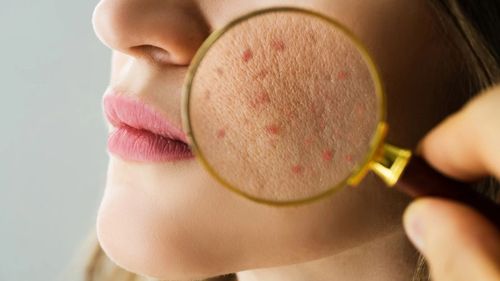
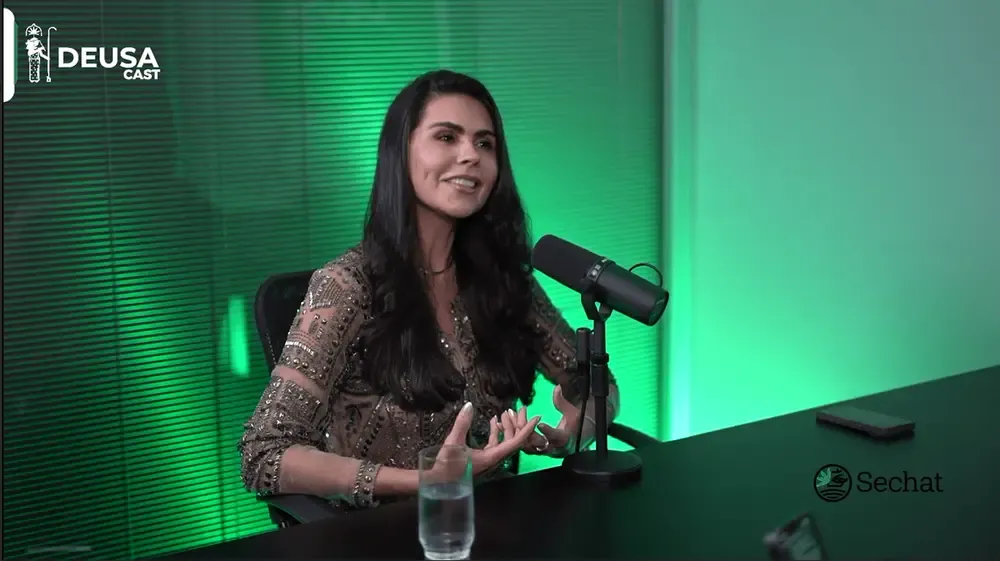
Cannabis in dermatology and its potential in skincare are the focus of the new episode of DeusaCast, which welcomes dermatologist Ludmila Militão to discuss the action of phytocannabinoids. In the interview, the specialist explains how the cutaneous endocannabinoid system works and its relation to inflammatory processes, oil control, itching relief, and hair health.
Among the highlighted topics are conditions frequently seen in clinics, such as psoriasis, atopic dermatitis, acne, and rosacea, as well as hair loss. The conversation also explores the connection between skin and emotional health, alongside the growing scientific interest in the use of medical cannabis compounds, such as cannabidiol (CBD for skin) and other phytocannabinoids.
How does the endocannabinoid system work in the skin?
During the interview, Militão explains that the skin possesses its own receptors linked to the endocannabinoid system and that some of its cells also produce substances called endocannabinoids.
“The skin is the body's largest organ and is full of these receptors for cannabinoids. The endocannabinoid system, which is composed of the receptors, of the cannabinoids that we produce [...] is simply distributed across these skin layers in the epidermis, in the dermis,” she states.
The physician cites keratinocytes—the predominant cells of the epidermis—as an example of structures capable of producing endocannabinoids, including anandamide.
For Militão, this knowledge opens up opportunities for investigation into the action of phytocannabinoids in dermatology. The cutaneous endocannabinoid system is directly linked to vital processes such as:
- Control of skin inflammation;
- Regulation of sebaceous gland activity;
- Functioning and cycle of hair follicles.
Psoriasis and atopic dermatitis: relief of inflammation and itching
Psoriasis and atopic dermatitis are among the conditions mentioned by the specialist when addressing the interest in the use of phytocannabinoids. According to her, the anti-inflammatory action and the potential to alleviate symptoms such as pain and pruritus (the clinical term for itching) are among the primary aspects under investigation.
“Psoriasis, for example, atopic dermatitis, they were the first diseases studied [...] what we have seen from the beginning is this fantastic anti-inflammatory power and analgesia for pain, for pruritus, which is itching in these diseases,” she says.
The dermatologist also compares the use of these compounds to conventional treatments, such as corticosteroids, which have specific indications and require medical supervision.
Editorial note: The statement regarding the absence of a rebound effect, made by the interviewee, should be understood as an expert assessment, not as an established conclusion for all products or patients. Clinical response depends on formulation, indication, and available evidence.
CBD for skin: acne, rosacea, and oil control
The interview also addresses the potential use of phytocannabinoids in inflammatory conditions such as acne and rosacea. Militão reports observing favorable responses in her clinical practice and highlights the modulation of sebum production—an oily substance produced by the sebaceous glands.
“One of its properties is precisely this modulation of sebum,” states the physician when discussing the link between cannabis and skin oiliness.
Action on sebaceous activity is one of the primary avenues of investigation related to the cutaneous endocannabinoid system. However, results should not be generalized to all types of acne, rosacea, or formulations.
Phytocannabinoids and hair loss: the role of CBD in hair health
Another topic of significant interest discussed on DeusaCast is the potential contribution of phytocannabinoids as adjuvants in hair health and in the care of individuals experiencing hair loss.
Militão cites research on the involvement of CB1 and CB2 receptors in hair follicle physiology and highlights the interest in cannabidiol (CBD).
“The CB2 receptor is primarily responsible for stimulating hair growth [...] the cannabinoid that acts most vigorously on this receptor is CBD,” she states.
The physician also links CBD to anti-inflammatory and antifibrotic mechanisms, commenting on its potential role in cases of androgenetic alopecia.
Despite scientific interest, it is necessary to differentiate between experimental results, clinical observations, and proven efficacy in patients. Available research on the topic does not yet support considering CBD an established solution for different types of alopecia.
Skin and emotional health: what is the connection?
The relationship between emotional health and dermatological manifestations is also emphasized during the conversation. Militão explains that the skin and the nervous system share a related embryonic origin and that emotional factors can directly influence the progression of certain skin conditions.
“Our skin [...] originated from the same germ layer as our central and peripheral nervous systems, so it is truly a mirror: the skin is the mirror of the mind,” she states.
The physician reports that, in her clinical experience, improvements in sleep and anxiety symptoms can be observed during patient follow-up, even before visible changes in skin lesions occur.
The link between emotional factors and dermatological conditions is one of the aspects considered in comprehensive care. However, this does not mean that phytocannabinoids replace conventional dermatological treatments or specialized mental healthcare.
What does research already show about dermatology and cannabis?
Interest in cannabis in dermatology is grounded in the presence of the endocannabinoid system in the skin and studies investigating the action of these compounds in various skin conditions.
In her column published on Portal Sechat, Ludmila Militão presents research on the topical use of CBD in psoriasis and on formulations applied to the scalp in individuals with psoriasis or seborrheic dermatitis.
The author also highlights a crucial technical point: the concentration of the active ingredient alone does not determine how much of the compound will be absorbed by the skin. The vehicle and the composition of the formulation can directly influence the delivery of the ingredient across the different skin layers.
The relationship between dermatology and cannabis, therefore, is an area of investigation involving biological mechanisms, pharmaceutical formulation, and clinical trials. Evaluating results must take into account the product type, condition treated, safety, and the quality of evidence.
The episode of DeusaCast is now available, bringing together Ludmila Militão's clinical experience in an in-depth conversation about the possibilities and challenges of phytocannabinoids in skin and hair care.
About the interviewee
Ludmila Militão (CRM-SC 29633 | CRM-SP 149152 | RQE 30113) is a physician specializing in Dermatology certified by the Sociedade Brasileira de Dermatologia (SBD), with postgraduate degrees in Integrative Practices and in Nutritional Adequacy and Homeostasis Maintenance, and international certification in Endocannabinoid Medicine from WeCann Academy. She is a faculty member for the postgraduate program in Clinical and Aesthetic Dermatology at Afya Educação Médica and a contributor to the Guia de Bolso de Dermatologia, published by Editora Atheneu.
Also read on Sechat: Phytocannabinoids on the skin: a transforming field.