Cannabis Legalization Receives Support from US Military Veterans
Cannabis legalization receives support from US military veterans. Explore the survey numbers and understand what they reveal about medical use.

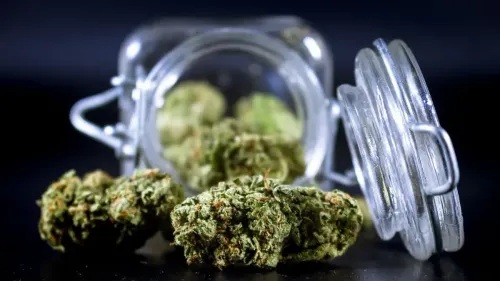
Behind every debate about cannabis, there are stories of people seeking care, quality of life, and new treatment possibilities. In the United States, a survey of military veterans reveals that the majority of participants support the legalization of cannabis for medical and recreational purposes, in addition to advocating for more room for science to investigate its effects.
The survey was conducted by Iraq and Afghanistan Veterans of America (IAVA), an organization representing military veterans, and reported by the outlet Marijuana Moment.
In this article, you will see:
- What the survey reveals about cannabis legalization.
- Why veterans advocate for more studies on medical use.
- What the numbers show about dialogue with healthcare professionals.
- The challenges in expanding scientific knowledge on cannabis.
Cannabis legalization has support among military veterans
According to the IAVA survey, 87% of the 470 participants support the legalization of cannabis for medical use. When asked about recreational use, the percentage also represents a majority: 61% of respondents favor the measure.
The results indicate an important distinction between the two modalities. Although both receive majority support, medical use has significantly higher backing among participants.
The survey also identified substantial support for expanding scientific research. For 91% of respondents, cannabis should be researched for its medicinal potential. Furthermore, 88% advocate that the U.S. Department of Veterans Affairs (VA) allow research into the substance as a potential therapeutic option.
The figures reflect the views of the participants surveyed and do not necessarily represent all U.S. military veterans.
Medical cannabis and scientific research: what do the data say?
Support for scientific research emerged as one of the key highlights of the survey. For the veteran community, broadening knowledge about cannabis also means better understanding its potential benefits, risks, and limitations.
According to the analysis released by the IAVA, the results point to the need for more clear information, robust evidence, and more open conversations between patients and healthcare professionals.
The organization calls for federal investments in rigorous research specifically focused on the veteran population. Suggested topics include the safety of cannabis-based treatments, long-term effects, and potential interactions with other substances, such as prescription opioids, benzodiazepines, and alcohol.
The proposal is that future investigations also assess indicators related to quality of life and suicide risk factors, without presuming that cannabis is effective or safe for all of these situations.
LEARN MORE: Psychedelic therapies: learn how MDMA is revolutionizing veteran care
Dialogue with doctors remains a challenge
Despite support for medical cannabis, the survey identified a gap between the willingness to discuss the topic and the participants' actual experiences.
Seventy percent reported they would feel comfortable discussing the medical use of cannabis with their primary care physician. However, only 29% stated that they have actually had this conversation.
This gap raises questions about access to information, welcoming environments in healthcare services, and the need for spaces where patients can clarify questions without fear of judgment.
In the case of veterans, the discussion also involves public policy and the conditions that allow healthcare professionals to guide therapeutic decisions based on available evidence.
LEARN MORE: Post-traumatic stress: psychedelic therapy advances in Missouri in study for U.S. war veterans
What do the results mean for the future of cannabis?
The IAVA survey also found that 69% of participants support rescheduling medical cannabis from Schedule I to Schedule III under U.S. controlled substance legislation.
Rescheduling is a U.S. regulatory matter and does not, in itself, mean that all cannabis-based products are approved as medications or that their use is permitted in every circumstance.
For the IAVA, the path forward must include more research, reliable clinical information, and safeguards for the continuity of veteran care.
The data do not prove the therapeutic efficacy of cannabis, but they help to understand the perceptions of a specific population regarding legalization, research, and access to information.
In a debate involving health, public policy, and individual experiences, listening to patients and strengthening science are critical steps toward making more informed decisions.