Colombian hemp brand showcases at Paris Fashion Week
Cannabis presented the “Eternal Presence” collection at the Palais de Tokyo, after bringing hemp fiber pieces to New York Fashion Week in 2025

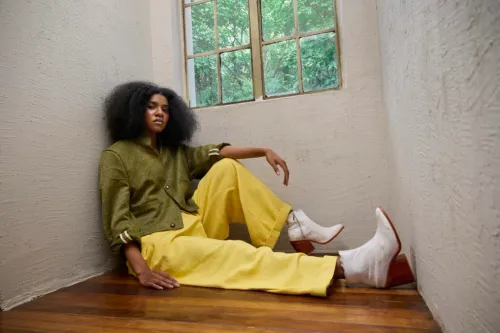
On October 4, the Colombian brand Cannabis presented the “Eternal Presence” collection at the Palais de Tokyo in Paris during Paris Fashion Week. Founded by designer Jaime Fernández Porras, the company develops pieces made with hemp fiber and seeks to expand the raw material's use in the textile industry.
Read also:
Why did the 9 PM soap opera avoid talking about pain and cannabis?
Cynthia De Carlo confirms attendance as speaker at the International Congress on Cannabis and Health in Argentina
The presentation was part of the Puente Internacional program, an initiative of the Bogotá Chamber of Commerce supported by the Latin American Fashion Designers (FDLA). The project brought together 11 talents from Argentina, Brazil, and Colombia in the first edition of the LATAM Fashion Circle. In addition to the collective runway show at the Palais de Tokyo, the schedule included a showroom at the Jardin des Tuileries.
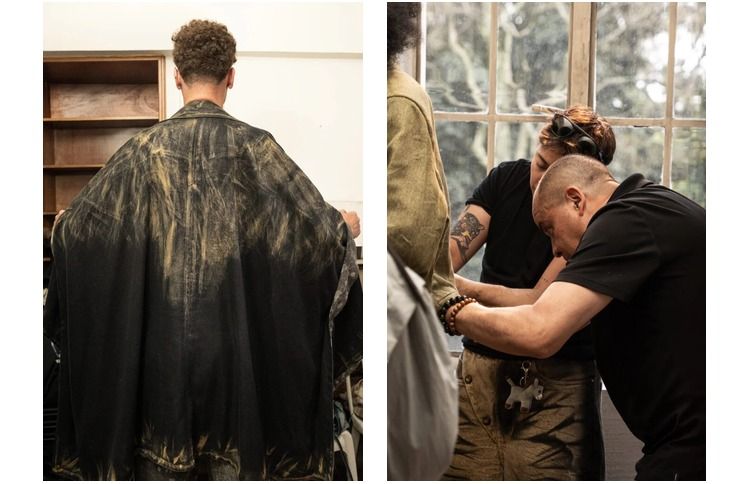
The appearance in Paris came after the brand showcased a collection made with hemp fiber at New York Fashion Week in 2025. According to a report by Hierbabuena Revista, the New York experience served as a stage to evaluate the material's application in collections destined for the international market.
Interest in hemp began three decades ago
According to Jaime Fernández's account to Hierbabuena Revista, his interest in hemp began in the 1990s after coming across a publication that explored the plant's historical use in fiber production.
That discovery prompted the designer to research the possibilities of hemp as a raw material for the textile sector. His entrepreneurial journey started in Bogotá's wholesale market, in an environment marked by competition and the presence of contraband products.
Fernández recounted that the pursuit of differentiation led the company to invest in new fabrics, processes, and production models. Over the years, the approach expanded to also incorporate plant-based fibers.
Production faced challenges sourcing industrial fiber
One of the main challenges described by the designer was finding raw material suitable for textile production in Colombia.
The Cannabis team researched various regions of the country, including Caloto, Toribío, and San Agustín, in search of hemp fiber suited for industrial manufacturing.
According to Fernández, some of the varieties found lacked the characteristics required for fabric manufacturing. As a result, the company began searching for strains with properties more suitable for producing long fiber for the textile sector.
According to the report by Hierbabuena Revista, the episode highlighted one of the obstacles to establishing an industrial hemp supply chain in the country: the need to develop specific raw materials for different applications.
Collection reached New York Fashion Week
In 2025, Cannabis presented a hemp fiber-based collection at New York Fashion Week.
The participation was supported by the Bogotá Chamber of Commerce and the Latin American Fashion Designers. For Fernández, the experience helped the company assess the use of the fiber in garments showcased at a major international fashion week.
The New York showcase paved the way for the presentation of “Eternal Presence” in Paris.
“Eternal Presence” brings hemp to the Palais de Tokyo
The concept behind the collection shown in Paris is tied to the ideas of permanence and resilience.
According to Fernández, the name “Eternal Presence” establishes a connection between human presence and the permanence of hemp. For the designer, the plant represents a raw material that can continue to be utilized despite shifts in the market and policies surrounding cannabis.
“Before, it was trendy, it was a seed; today, it is the eternal presence,” Fernández told Hierbabuena Revista.
The collection presented at the Palais de Tokyo was, therefore, the result of a journey that began with research into the fiber, moved through garment development, participation in New York, and ultimately arrived at the Paris fashion circuit.
Strategy combines design and commercial operations
The business structure behind the project involves the companies 21 Gramos and Cannabis.
According to Catalina Fernández, Jaime Fernández's daughter and commercial director at 21 Gramos, the company serves as the creative development hub for the collections.
Cannabis, in turn, focuses on marketing, market development, and sales operations. According to Catalina, this division allows the brand to separate collection design from the commercial strategy required to bring it to market.
21 Gramos operates as the design house responsible for creating the pieces featured on runways and in the commercial line. Cannabis handles the commercialization and distribution infrastructure.
Company maintains lines with different materials
Currently, the brand operates two product lines.
Cannabis Natural Fashion concentrates on pieces developed with hemp fiber, including the collections showcased at international events.
Meanwhile, Cannabis Fashion maintains a commercial line using conventional materials such as cotton and denim.
According to Catalina Fernández, the company's strategy is to progressively expand the use of hemp until the raw material can replace conventional fabrics across a larger share of production.
Industrial hemp gains ground in fashion
For Jaime Fernández, expanding the use of alternative fibers also depends on the participation of manufacturers and other stakeholders across the fashion supply chain.
In an interview with Hierbabuena Revista, the designer advocated for greater involvement by Colombian industry in research related to new fibers and materials.
The Paris showcase placed Cannabis on an international fashion stage and continued the project launched with the brand's appearance at New York Fashion Week. For the company, hemp represents not only a raw material for apparel, but also an opportunity to build new productive supply chains.
Source credit
This article was produced by Portal Sechat based on a report published by Hierbabuena Revista on September 30, 2026. Information regarding the brand's trajectory, statements by Jaime Fernández and Catalina Fernández, and the collection presentation were gathered from the original report.