EU moves to standardize hemp cultivation rules across Europe
The EU is advancing common rules for hemp, including flowers and leaves. Understand what the proposal entails and what is still needed for it to become law.

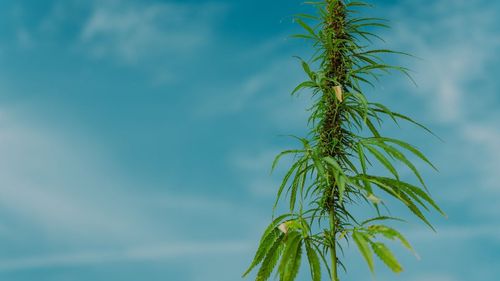
The relationship between agriculture, legislation, and cannabis is about to enter a new chapter in Europe. Hemp may soon be governed by common agricultural rules across all parts of the plant in the European Union (EU), including flowers and leaves. The EU Council has already established its position to negotiate the reform, but the proposal has not yet become law.
Hemp in Europe: what does the new proposal foresee?
On October 19, 2026, the Council of the European Union moved forward in negotiations to harmonize production and marketing rules for hemp. The initiative aims to reduce discrepancies among member states and establish more uniform conditions for the agricultural sector.
The proposal foresees including all parts of the plant within the scope of the Common Organisation of Agricultural Markets, provided that production requirements are met.
The move follows up on the reform presented by the European Commission in July 2025. Now, the Council has defined the position that will serve as the basis for negotiations with the European Parliament.
The change is significant because the agricultural recognition of a plant can influence the conditions for producing and marketing its raw material. Even so, this does not mean that all of its derivatives will be automatically authorized.
READ MORE: Hemp cultivation was once widespread across European countries
Hemp regulation maintains 0.3% THC limit
Among the criteria maintained by the Council are the use of certified seeds and a maximum limit of 0.3% delta-9-THC for the varieties covered by the proposal.
THC is one of the plant's primary phytocannabinoids and is associated with its psychoactive effects. The threshold set in the text is part of the requirements applicable to hemp within the European agricultural framework.
The proposal also includes safeguards to preserve national legislation regarding drugs, public health, and security.
In practice, recognizing flowers, leaves, and other parts of the plant under the agricultural framework does not eliminate the restrictions that individual countries may apply to the processing, marketing, and end-use of these materials.
Industrial hemp and CBD: what could change in the market?
The debate is also relevant to the hemp derivatives supply chain, including products associated with cannabidiol (CBD).
However, it is essential to distinguish between two matters: the rules that allow the cultivation and marketing of the raw material, and those that determine which derived products may reach consumers.
Even if the reform advances, the rules applicable to end products will remain relevant. Therefore, the proposal should not be interpreted as a blanket authorization for CBD or other derivatives across the entire European Union.
Agricultural harmonization can help reduce discrepancies among national markets, but its tangible effects will depend on the final wording of the legislation and how the rules are enforced.
When do the new hemp rules take effect?
There is not yet a definitive new rule resulting from this agreement, and the European Parliament still needs to finalize its position before the institutions can proceed with negotiating the text.
The Council's agreement marks an important milestone, but it does not conclude the process.
Until the reform is approved and comes into force, the conditions applicable to hemp remain subject to current regulations.
The European debate highlights a central challenge for the sector: building more consistent agricultural rules without disregarding regulatory differences related to public health, security, and plant-derived products.