Experts counter Cremers and defend scientific evidence in the medicinal use of cannabis
Statements from the medical council of RS go against national and international studies, as well as clinical practice already adopted in several countries

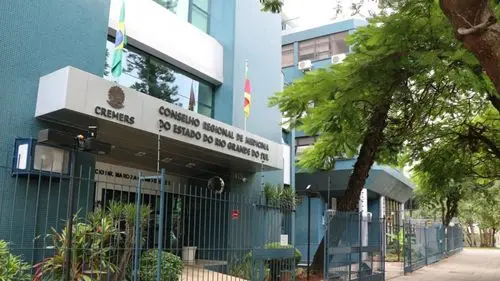
Doctors and researchers reacted to the position of the Regional Council of Medicine of Rio Grande do Sul (Cremers), which reaffirmed its opposition to the medicinal use of cannabis, especially in mental health treatments. For experts, the entity's statement ignores a growing body of scientific and clinical evidence, both in Brazil and abroad.
The Cremers' declaration took place during a meeting with the councilwoman from Porto Alegre, Tanise Sabino (PTB), on July 28. On that occasion, councilor Silzá Tramontina argued that there are still no conclusive studies on the positive effects of cannabis in the treatment of psychiatric disorders.
She also mentioned frequent confusions between the plant and the different types of cannabidiol available on the market, in addition to highlighting the complexity of conditions related to the autism spectrum.
Cremers' president, Régis Angnes, reinforced the need for more scientific rigor: “It's not enough for the doctor to present only the reports, it is necessary to publish all of this scientifically”.
The opinion of the Psychiatry Technical Chamber, signed by Tramontina and published in April 2025, supports the council's position based on alleged health risks associated with the use of cannabis.
Studies and clinical practices challenge the position
Cremers' stance contrasts with a series of scientific research recognized by entities such as Fiocruz and with clinical practice adopted in several countries.
According to physician Mariane Ventura, part of the resistance is still linked to the stigma surrounding the plant. “Unfortunately, the medical community reproduces speeches based mainly on prejudice. Yes, we need more studies — many of them are already happening. This statement is not based on what science has been showing”.
In a Technical Note published in 2023, the Oswaldo Cruz Foundation highlighted the therapeutic potential of cannabinoids — such as cannabidiol (CBD) and tetrahydrocannabinol (THC) — in various clinical conditions, including chronic pain, refractory epilepsy, spasticity due to multiple sclerosis, adverse effects of chemotherapy, and neurological disorders such as Parkinson's.
Medicinal cannabis in the treatment of multiple sclerosis and autism
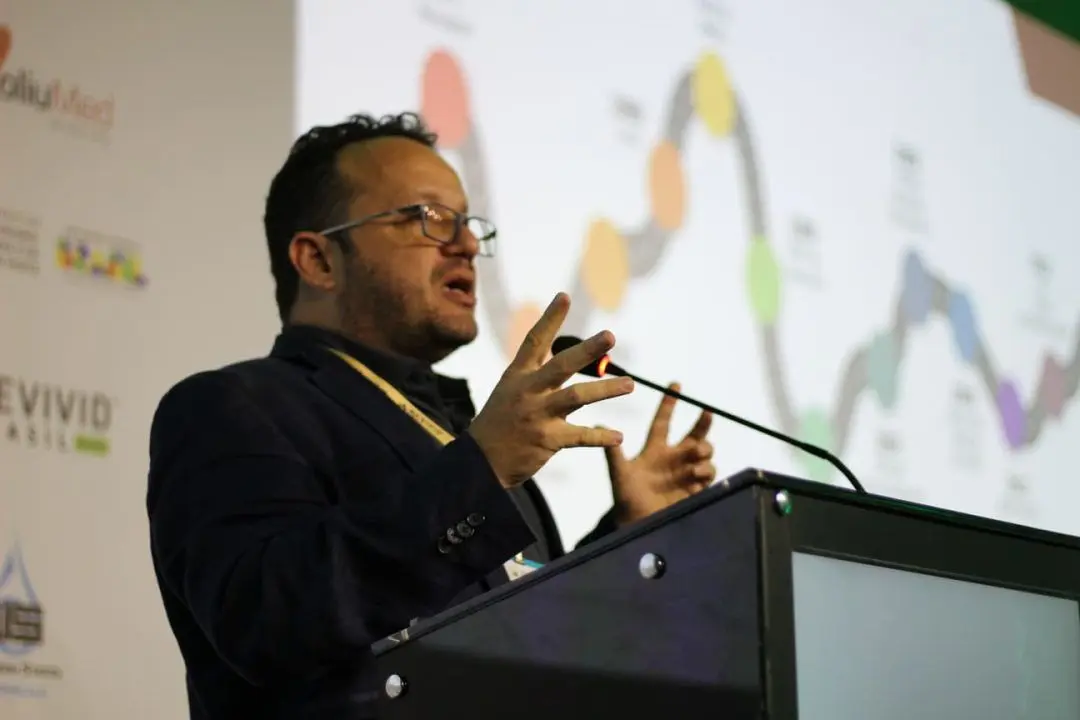
The psychiatrist and professor at the Federal University of Paraíba (UFPB), Dr. Wilson Lessa, points out that there are already clinical evidence and scientific reviews demonstrating the benefits of using cannabis-based formulations, especially the combination of CBD and THC, in cases of multiple sclerosis and behavioral disorders in the autism spectrum disorder (ASD).
According to him, studies with the medication nabiximols (Sativex) — approved in European countries since 2005 — prove efficacy in controlling symptoms such as neuropathic pain and spasticity, without cognitive impairments, even with prolonged use.
In the case of autism, Lessa highlights that Israel has already authorized the use of cannabinoids as a first-line therapy for behavioral disorders in people with ASD.
“Even though not all studies are conclusive, there is already sufficient evidence in some areas. Israel is an example: since January 2023, the use of cannabinoids has been authorized as the first choice to treat autism and behavioral disorders in dementias, which demonstrates an important advancement in the recognition of these treatments,” he explains.
Brazilian research points to consistent progress
In Brazil, academic studies are also confirming the benefits of cannabis. A systematic review conducted by researchers from UFMG and UnB followed, for one year, 18 patients with ASD treated with a CBD-rich cannabis extract. Of these, 15 showed significant improvement in symptoms such as seizures, sleep disorders, and behavioral crises.
More recently, the Alticam Project, from the Federal University of Latin American Integration (Unila), followed adults with autism treated with full-spectrum oil. After 30 days, there was an almost 28% reduction in symptoms, with positive reports on sleep, feeding, anxiety, and socialization:
“Cannabis flourishes hope where conventional treatments have failed so many times,” declared the research coordinator, Professor Micheline Donato.