Medical Cannabis: CFF Approves New Rule for Pharmacists
The Federal Council of Pharmacy approved a new resolution regarding practice in medical cannabis. Understand the impact on care and patient health

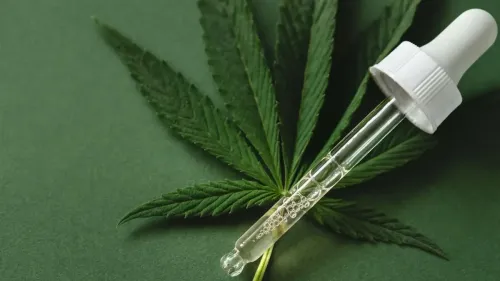
Caring for life requires listening, welcoming, and the presence of qualified hands that understand the pain of others. When science and compassion meet at a pharmacy counter or behind the scenes of research, hope finds a place. It was in this spirit of transformation that the Federal Council of Pharmacy (CFF) took a decisive step: the approval of a new resolution that regulates, with clarity and ethical backing, the pharmacist's role in all stages related to medical cannabis in Brazil.
In this article, you will see:
The scope of the new decision approved by the CFF Plenary.
How the measure strengthens the pharmacist's role in guidance and dispensing.
The importance of technical monitoring in the use of medical cannabis.
Direct impacts on patient safety and healthcare professionals' routines.
Qualification requirements and next steps for the profession.
The regulatory milestone that humanizes healthcare access
The decision made by the Plenary of the Federal Council of Pharmacy represents the consolidation of work designed to ensure safe guidelines for those dealing daily with public health.
By setting clear parameters for professionals, the regulatory body not only established technical procedures, but also ensured that patients do not walk alone during their therapeutic journey.
Medical cannabis is no longer a topic surrounded by operational uncertainties, definitively positioning itself within the scope of pharmaceutical practice. The regulation guides performance across several fronts:
Responsible dispensing: strict control and clear guidance to patients regarding dosage and administration routes.
Active pharmacovigilance: continuous monitoring of potential adverse reactions and drug interactions.
Consulting and patient support: a space for professionals to address questions from family members and caregivers with empathy.
Research and quality control: validation of production, import, and authorized compounding processes.
"The resolution brings clarity that the pharmacist is the indispensable link between the medical prescription and the safe use of the plant by the patient. We are ensuring technical backing for professionals and total protection for society," highlighted the Federal Council of Pharmacy (CFF) during the presentation.
The pharmacist's role in ensuring safe use
Many patients seeking phytocannabinoid treatment arrive at clinics and pharmacies vulnerable from chronic pain, severe anxiety, or complex neurological conditions.
In this context, the presence of a specialized professional makes all the difference in the success of the therapeutic conduct.
The new regulation reinforces that the act of delivering the medication goes beyond a simple commercial transaction.
It is a moment of attentive listening, during which the pharmacist must evaluate product integrity, verify extract origin, and reinforce instructions provided by the prescribing physician.
With the advancement of discussions in the country, the public seeking medical cannabis finds a beacon of trust in the pharmacy professional.
They are trained to explain the difference between full-spectrum, isolate, or broad-spectrum oils, translating complex terms into accessible and welcoming language.
Regulation of the CFF resolution and benefits for patients
The approval of the CFF resolution responds to a long-standing demand from both the medical community and patient associations.
Prior to this unified guideline, many professionals hesitated to provide guidance on the topic due to lack of clarity in professional ethical standards.
Now, the scenario changes substantially. With objective rules, pharmacists gain autonomy to provide full pharmacotherapeutic monitoring.
This translates into greater protection against unregistered or questionable products, while ensuring that treatment adherence is closely monitored.
Key benefits observed by the community:
Reduction in medication errors: routine adjustments guided directly during dispensing.
Combating stigma: trained professionals equipped to address the topic without prejudice.
Multidisciplinary integration: open dialogue between doctor, pharmacist, and patient's family.
"This is not merely about fulfilling a bureaucratic formality, but placing science at the service of empathy. Patients need to know exactly what they are consuming and be assured that a specialist is monitoring every step of their improvement," noted the reporting councilors of the matter at the CFF.
LEARN MORE: See the main differences between Full Spectrum extracts and CBD Isolate
Science, listening, and the future of healthcare in Brazil
Advances in scientific studies proving the benefits of cannabinoids in conditions such as refractory epilepsy, chronic pain, and multiple sclerosis drove the need for this institutional shift. As more Brazilians begin using these treatments, the healthcare system demands solid support structures.
The presence of a properly backed pharmacist ensures that medical cannabis is treated with the same rigor, seriousness, and dedication given to any other advanced therapy. It is pharmacy reuniting with its noblest purpose: caring for people in their entirety.
With the official publication of the measure, specialization courses and technical training promoted by the Regional Councils of Pharmacy (CRFs) are expected to gain even more momentum across the country, preparing professionals for the challenges and discoveries of coming years.
Bibliographic References and Consulted Sources
Federal Council of Pharmacy (CFF). CFF approves resolution on the pharmacist's role in Cannabis-related activities.
National Health Surveillance Agency (ANVISA). Collegiate Board Resolution (RDC No. 327/2019) – Granting of Sanitary Authorization for the commercialization of Cannabis Products for medicinal purposes.
Journal of Cannabis Research. The Role of Pharmacists in Cannabinoid Therapy and Patient Education. Clinical and observational study on pharmaceutical practices in Latin America, 2025.