New Caledonia presents plan to structure tropical hemp sector by 2030
Located in the South Pacific, New Caledonia has presented a legislative proposal to structure a regulated tropical hemp sector by 2030, with rules for cultivation, processing, and sanitary control

Published on 01/07/2026
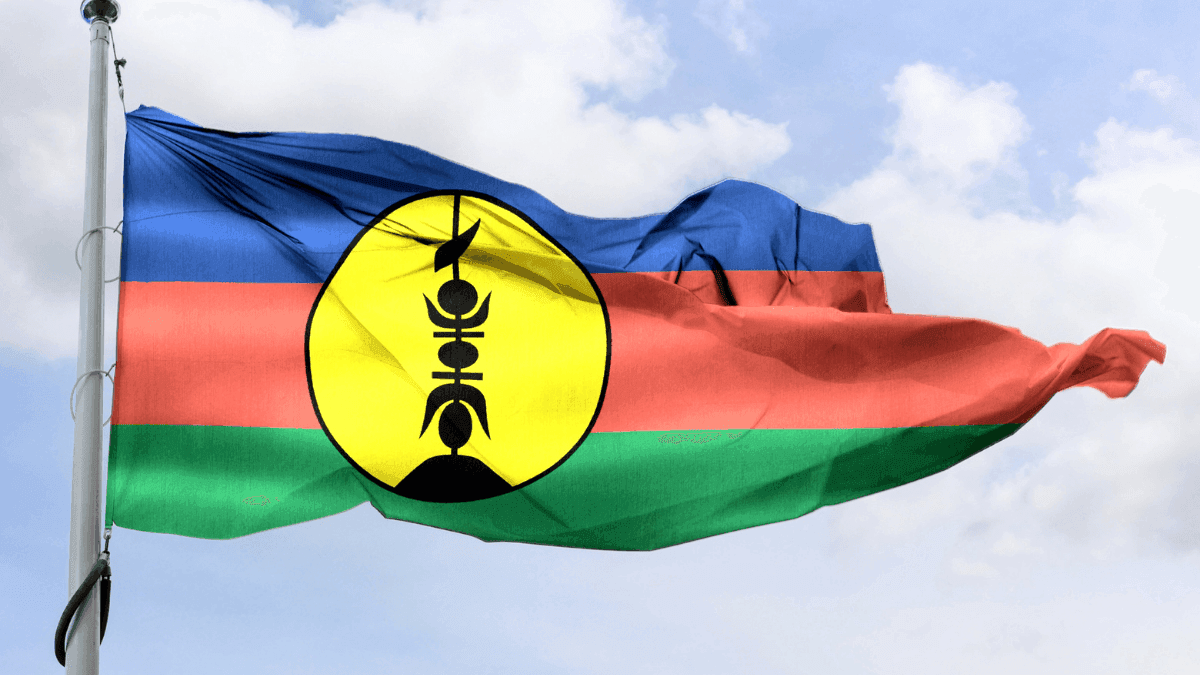
Proposal defines legal and productive foundations for tropical hemp in New Caledonia | CanvaPro
New Caledonia has presented to Congress a legislative proposal that establishes a strategic framework for the creation of a regulated tropical hemp sector between 2026 and 2030, focusing on legal security, productive structure, and sanitary control, according to a report by NewsWeed.
The document defines hemp as Cannabis sativa L. with up to 0.3% THC, measured by HPLC analysis, and excludes these plants from the category of narcotics for legal purposes, aiming to clearly distinguish non-psychoactive crops from illicit cannabis.
The proposal also foresees a public monopoly on imports and authorizations, allowing approved private operators to carry out cultivation and processing under strict control
Agricultural Production Organization
The plan highlights the structuring of production in different regions - north, south, and Loyalty Islands - to mitigate climate risks and promote territorial balance. The proposed measures include:
- - contractual guarantees for farmers, with minimum prices and guaranteed volumes;
- - creation of a seed bank adapted to the tropical climate;
- - standardized practices for cultivation, harvesting, drying, and storage;
- - continuous agronomic and climatic monitoring.
Processing and Value Creation
The proposal emphasizes avoiding the simple export of raw materials without transformation, foreseeing local facilities to process fibers, seeds, flowers, and intermediate products into materials and inputs such as:
- - biological construction materials;
- - vegetable oils and seed proteins;
- - non-psychoactive extracts for controlled uses;
- - semi-finished products for export.
Medical Use under Supervision
The proposal includes a section on the medical use of non-psychoactive cannabinoids (such as CBD and CBG), currently classified as narcotics in the territory. The initiative rejects recreational use and suggests that a Scientific Committee define pharmaceutical quality standards, supervise pilot clinical studies, and regulate therapeutic indications, with restricted distribution in controlled health channels. Educational and community prevention programs are also part of the guidelines to reinforce the distinction between hemp and psychoactive substances.
The proposed framework establishes a governance model involving public institutions, provinces, municipalities, and economic agents, with annual progress reports to Congress to monitor the evolution and adaptation of standards over time until 2030.
With information from NewsWeed.