Recreational cannabis vs medical cannabis: is there a difference?
Discover the nuances, benefits, and therapeutic intersections between recreational cannabis and medical cannabis. Read the article on Sechat!

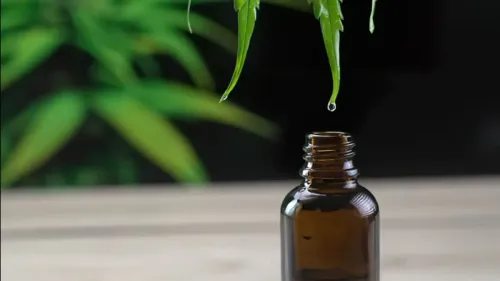
Have you ever reflected on the difference between recreational cannabis and medical cannabis? There is a quiet poetry in the way nature connects with human biology. When we look at the cannabis plant, with its serrated leaves and striking aromas, it is easy to see how it spans centuries of history, sparking encounters, healings, and intense debates.
However, in modern times, a conceptual border was drawn between two seemingly distinct universes: on one side, recreational cannabis; on the other, medical cannabis. But in the intimacy of molecules and the reaction of human cells, is this division as rigid as laws and labels suggest?
Understand the difference between recreational cannabis and medical cannabis
To fully understand this issue, one must dive into the science of the endocannabinoid system and the plant's own sociocultural journey. This is what Dr. Marianna Coimbra previously reported to us in an interview for Sechat in an article about the connection cannabis represents for each individual. “Cannabis can act as a tool to reconnect with one's own body and emotions through the modulation of the endocannabinoid system, which is directly involved in stress regulation, body perception, and emotional processing,” she explains.
According to the website El Planteo, a media outlet specialized in the global coverage of the plant's ecosystem, the distinction between adult use and therapeutic use is often more regulatory and social than strictly biological.
After all, the plant that blooms from the soil is chemically the same, regardless of the objective of the person consuming it.
What defines recreational cannabis and where does it meet medicine?
The discussion about the limits of recreational cannabis involves understanding how the human body processes the plant's active compounds, known as cannabinoids. When someone seeks out the plant during leisure time, relaxation, or socialization, they are activating the same CB1 and CB2 receptors spread across the brain and immune system as a patient seeking relief from chronic pain or anxiety.
According to the publication by the website El Planteo, the distinction between uses can be analyzed from three fundamental perspectives:
Intended use: while medical use seeks the treatment of specific symptoms or pathologies diagnosed by healthcare professionals, recreational cannabis focuses on altering perception, decompressing from daily stress, or pursuing states of well-being and social interaction.
The chemical profile of products: standardized medications usually have exact and controlled concentrations of cannabinoids such as CBD (cannabidiol) and THC (tetrahydrocannabinol). In adult use, however, the variation of terpene and cannabinoid profiles is typically broader and aimed at sensory experience.
Monitoring and dosage: medical practice involves calculated posology, continuous medical follow-up, and monitoring of physiological responses. In recreational cannabis, dosage is usually self-regulated by the user based on the immediate perception of the effect.
However, as highlighted by the report on the website El Planteo, this separation between recreational cannabis and medical cannabis does not prevent a person who consumes cannabis socially from indirectly obtaining concrete medical benefits, such as reduced anxiety, improved sleep quality, or relief from accumulated muscle tension.
Masked wellness: the overlap between adult use and self-care
It is common to hear reports of people who use recreational cannabis at the end of a long workday to "relax the mind." What is often labeled merely as entertainment may actually be an intuitive form of self-medication to manage mild symptoms of stress, anxiety, or mental fatigue.
According to the outlet El Planteo, experts point out that the line separating the pursuit of pleasure from relief from physical or emotional discomfort is extremely thin. A person who consumes the plant to laugh and unwind during a gathering with friends may be simultaneously lowering their body's cortisol load and reducing chronic stress — a determining factor in many modern ailments.
The scientific and editorial research of
The role of cannabinoids in the user experience
To understand whether recreational cannabis can have medical effects, it is essential to observe the two cannabinoids most studied by science:
Tetrahydrocannabinol (THC): Often associated with the "high" of recreational cannabis due to its psychoactive properties, THC is also a powerful analgesic, anti-inflammatory, appetite stimulant, and antiemetic used in the treatment of neurological patients and chemotherapy patients.
Cannabidiol (CBD): Without marked euphoric effects, CBD gained global prominence in medicine for its anxiolytic, anticonvulsant, and neuroprotective properties, serving as a key component in treating refractory epilepsies and anxiety disorders.
As highlighted by the website El Planteo, the plant works synergistically through the so-called entourage effect. This means that the combination of multiple cannabinoids, terpenes, and flavonoids present in the raw plant — frequently consumed in recreational cannabis — can offer unique therapeutic properties that synthetic isolates often fail to reproduce with the same effectiveness.
Quality standards and regulation: the real difference
If the plant is the same in its botanical essence, where does the real technical difference between products lie? As reported by the website El Planteo, the major differentiator between medical cannabis and recreational cannabis lies in quality control processes, laboratory testing, and standardization.
In the rigorous medical scope:
Extracts undergo detailed chromatographic testing to ensure the absence of heavy metals, pesticides, fungi, and bacteria.
There is a guarantee of batch-to-batch consistency in the ratio between CBD, THC, and other cannabinoids.
The route of administration is designed to protect the airways, prioritizing sublingual oils, capsules, and vaporizations of pure extracts.
In the recreational cannabis market, however, in contexts where regulation is not yet fully in place or in informal markets, consumers do not always have access to full product traceability. Nevertheless, in countries and states where adult use has been legalized and regulated, labeling and health safety standards applied to recreational cannabis are increasingly approaching those required by the pharmaceutical and food industries.
A humanized look at the future of the plant
When looking at the global cannabis landscape, it becomes evident that the reductionism of categorizing plant use into "good" (medical) or "bad" (recreational) does not reflect the complexity of human experience or the accumulated scientific evidence.
Modern science teaches us that health goes far beyond the absence of diagnosed diseases; it encompasses the pursuit of balance, joy, and relief from everyday stress. The reflection proposed by the website El Planteo invites us to deconstruct prejudices and understand that recreational cannabis and medical cannabis are two sides of the same coin endowed with undeniable therapeutic value.
As the debate advances in Brazil and around the world, following updates from
Source: Benzinga and El.Planteo