Senate may vote on bill in February that regulates the medicinal use of cannabis
Proposal creates a legal framework for production, importation, and self-cultivation; the report included strict security requirements for the medicinal use of cannabis

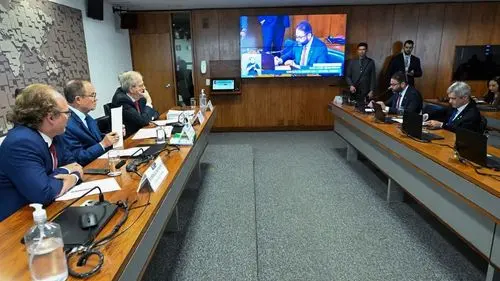
The Senate's Committee on Agriculture and Agrarian Reform may vote on Bill 5,511/2023 soon after the legislative activities resume in February. The proposal aims to establish a definitive legal framework for the medicinal use of cannabis in Brazil.
The text regulates essential rules for the cultivation, production, importation, and trade of plant-derived products. The measure covers therapeutic purposes for both human and veterinary use, organizing a sector that awaits clear legal definitions.
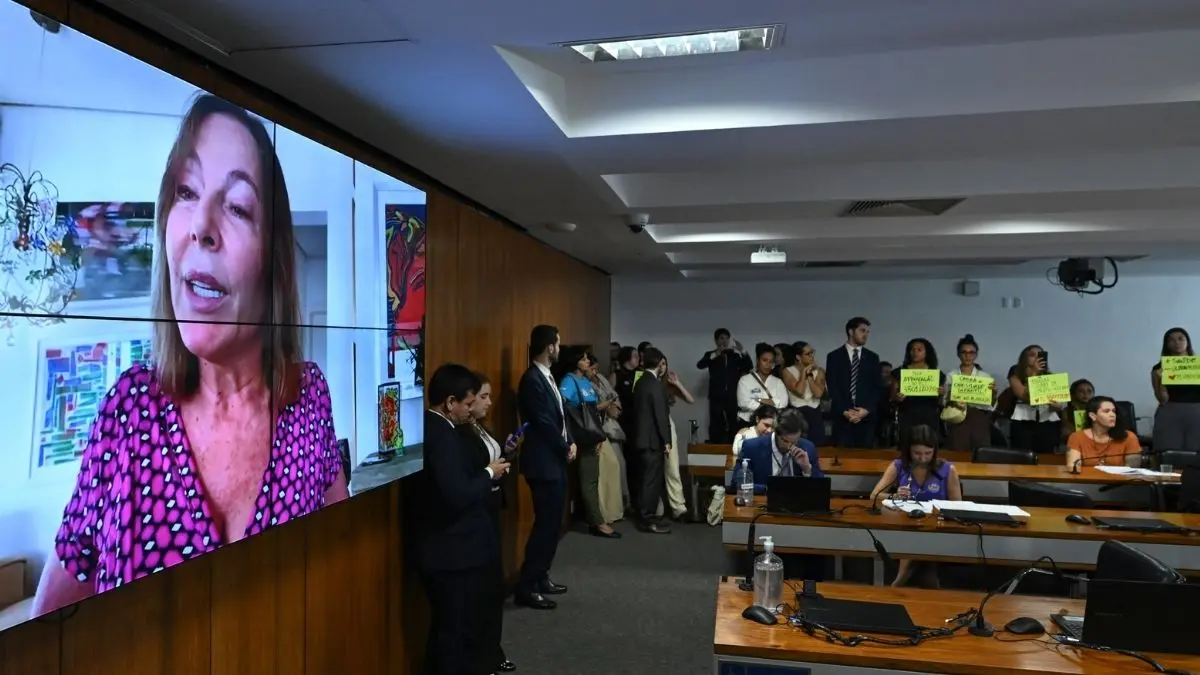
The bill was authored by Senator Mara Gabrilli (PSD-SP) and has been under consideration in the Senate for two years. The matter has already received a favorable report from Senator Professora Dorinha Seabra (União-TO) and is ready for voting.
According to the proposal, production will depend on prior authorization from the competent federal authority. This permission may include individuals undergoing health treatment, non-profit patient associations, and companies, facilitating access to the medicinal use of cannabis.
Security and control in the medicinal use of cannabis
The rapporteur presented a substitute to the original text focusing on the security of the production process. The goal is to establish rigorous technical parameters, including limits on tetrahydrocannabinol (THC), licensing rules, and traceability for the medicinal use of cannabis.
Dorinha Seabra argues, in a report from Agência Senado, that the measures aim to "ensure that the production authorized by this law is not diverted to the illicit market". To achieve this, the report proposes detailed control mechanisms.
Among the security requirements included in the text are:
Cultivation quota: Production linked directly to legitimate demand, proven by medical prescription;
Security plan: Mandatory georeferencing of planting areas;
Monitoring: Video monitoring systems and strict control of access to facilities.
Economic potential beyond the medicinal use of cannabis
In addition to health issues, the report highlights the plant's potential as a vector for agricultural development. The text notes that the plant's short growth cycle favors crop rotation and provides inputs for textile, cellulose, and construction industries.
The rapporteur compared the Brazilian scenario to countries like Canada, the United States, and China, which already economically exploit the sector. The assessment presented in the CRA indicates that Brazil may have high global competitiveness in the market for the medicinal and industrial use of cannabis.
According to Dorinha Seabra, the regulation brings clear economic benefits. "We are talking about a concrete opportunity for productive diversification, income generation in rural areas, technological innovation, and respect for legal and health limits," declared the senator during the committee's discussion.
With information from Agência Senado