Study points to sustained relief from treatment-resistant depression with medical cannabis
Patient follow-up for up to two years

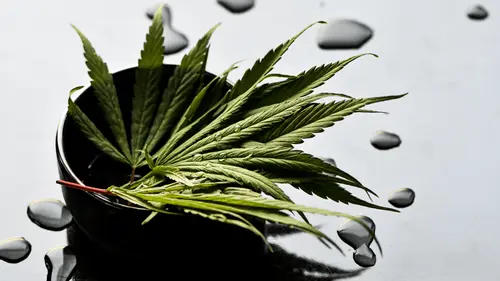
Patients with treatment-resistant depression showed sustained improvement in quality of life after using medical cannabis preparations, according to longitudinal data published in the Journal of Affective Disorders. The research followed patients for up to 24 months and observed consistent advances in mental health symptoms and overall well-being.
Read also - Medical cannabis: Alternative for treating depression and anxiety
The study was conducted by British researchers based on data from the UK Medical Cannabis Registry, which gathers information from patients authorized to receive medicinal cannabis-based products when conventional treatments do not provide an adequate response. The analyzed sample included 698 patients, assessed at the beginning of treatment and after 1, 3, 6, 12, 18, and 24 months.

Cannabis as an adjuvant therapy
Participants used raw cannabis or standardized oily extracts, containing known concentrations of THC and CBD, always as adjuvant therapy. According to the results, patients reported significant improvements in mood, anxiety, health-related quality of life, and sleep, with the most significant effects observed in the first three months of follow-up. These benefits were sustained throughout the entire analyzed period.
Greater impact among patients with more severe conditions
Another relevant data point is that patients with more severe depression at the beginning of the study were precisely those who showed greater reduction in symptoms over time. Regarding safety, researchers highlight that severe adverse events were rare, with most being classified as mild to moderate.
Accumulated evidence in other diseases
In conclusion, the authors state that the two-year follow-up demonstrates sustained clinical benefits of medical cannabis use in cases of treatment-resistant depression, but they emphasize the need for randomized clinical trials, considering comorbidities and different product formulations, to confirm efficacy and clarify long-term safety.
In addition to treatment-resistant depression, previous observational analyses from the same British registry have already pointed out benefits of medical cannabis use in conditions such as
resistant epilepsy,
cancer-related pain,
anxiety,
endometriosis,
inflammatory bowel disease,
hypermobility disorders,
migraine,
multiple sclerosis,
osteoarthritis,
substance use disorders,
insomnia, and
inflammatory arthritis.
Scientific debate and deepening in Brazil
Scientific advances, regulatory challenges, and clinical evidence related to the medicinal use of cannabis in mental health and other pathologies will be further explored with technical and scientific rigor at the Brazilian Congress of Medicinal Cannabis, bringing together specialists, researchers, and healthcare professionals to deeply discuss the topic. More information is available at: https://congressocannabis.com.br/
Watch the video: