THC Beverages Gain Traction During 'Dry January' and Maintain Growth Throughout the Year
The search for alternatives to alcohol at the beginning of the year has increased the demand for THC beverages, a trend that continues to heat up the market in the following months.

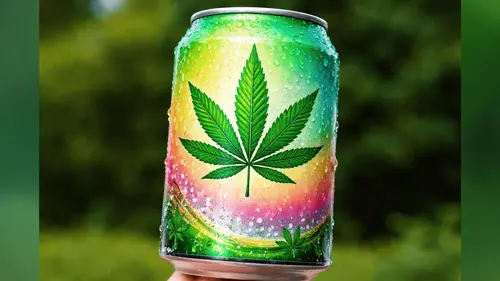
The movement known as Dry January, where many people avoid alcohol consumption in the first month of the year, has driven the demand for THC beverages in the United States, and its effects extend beyond January.
According to the website MJBizDaily, producers and retailers report that consumers seeking alternatives to alcohol are trying THC-based drinks, making this category a more constant presence in the market throughout the year.
Increase in Sales and Change in Consumption
According to the site, intoxicating hemp beverage companies have seen sales increases as January approaches, with some retailers ordering larger volumes as early as November to meet what they expect to be higher demand at the beginning of the year.
Brands like High Spirits reported approximately 10% growth in direct-to-consumer sales in January, while manufacturers like Crescent Canna reported an annual increase of about 50% in sales between 2024 and 2025. Consumers are using these beverages both as a social substitute for alcoholic drinks after work and as an option within routines that prioritize well-being and low alcohol intake.
The change in habits is also reflected in external research: data shows that the proportion of adults consuming alcohol in the U.S. has reached historically low levels, and many people report reducing or stopping alcohol consumption after starting to use THC beverages.
Expanding Market and Regulatory Challenges
According to the site, sales of THC beverages surpassed $1 billion in 2024, with over 500 brands competing in the market across 28 states where they are legal.
Read Also
Cannabis Beverages: What They Are, What They Are, and Where to Find Them. See the List
Generation Z and Millennials Swap Alcohol for Cannabis Beverages at Happy Hours
The article also highlights that, although the peak effect associated with Dry January is a recognized trend, many companies believe that the ongoing growth in interest for alternatives to alcohol indicates a broader transformation in consumer behavior, which may keep this category thriving even outside of January.
Consumer Behavior Change Drives Continuous Growth
The performance of companies reflects a broader transformation in the profile of the American consumer. Millennials and members of Generation Z are leading the reduction in alcohol consumption, but the movement also extends to older age groups, driven by health and wellness concerns. In this context, hemp beverages and low-dose THC products emerge as socially acceptable alternatives.
Data from Gallup, cited by MJBizDaily, indicates that only 54% of adults in the United States claim to consume alcohol, which is the lowest rate recorded since the company's historical series began nearly 90 years ago.
Meanwhile, studies highlighted by American entities point to a possible correlation between the consumption of cannabis-infused beverages and the reduction of alcohol intake. According to the research, 63% of respondents reported having reduced or stopped alcohol consumption after starting to consume cannabis beverages. The average weekly alcohol consumption dropped from 7.02 to 3.35 drinks.
“It is noteworthy that people who use cannabis beverages report an even greater reduction in alcohol than those who use other types of cannabis products,” said *Daniel Kruger, co-author of the study and associate professor at the University at Buffalo School of Public Health, in a statement cited by MJBizDaily.
Source: Content originally published in MJBizDaily